
Pure Aromatherapy for Body, Mind & Spirit
The Best Essential Oils for Pain and Inflammation
The Best Essential Oils for Pain and Inflammation
Essential Oils for Pain, Soreness & Physical Comfort
T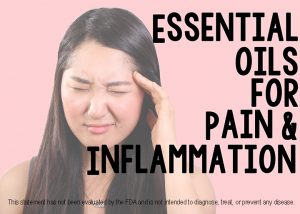 he best essential oils for pain and inflammation are Wintergreen, Peppermint, and Helichrysum, often chosen for their cooling, warming, soothing, and comforting aromatic properties and their usefulness in topical applications and massage.* Aromatic plants have a long history of traditional use for physical comfort, while modern research has investigated constituents found in many essential oils for their potential biological activities.
Essential oils are highly concentrated botanical extracts and should be used thoughtfully and appropriately diluted for topical application. They are not substitutes for medical treatment or pain medication, but aromatherapy can be incorporated into a broader approach to everyday muscle and joint comfort, relaxation, and massage.*
Phyto Body Soothe Spray for Physical Comfort
BioSource Naturals Phyto Body Soothe Spray is a convenient topical aromatherapy blend formulated for soothing physical comfort, tired muscles, and areas of everyday tension.*
The formula features Wintergreen, Peppermint, and Helichrysum, combining cooling minty notes with a complex herbaceous aroma. These oils are commonly incorporated into topical aromatherapy preparations and massage routines for physical comfort and relaxation.*
Wintergreen Essential Oil
Wintergreen has a penetrating, cooling, minty aroma and is naturally rich in methyl salicylate. Methyl salicylate is a well-characterized constituent used in topical preparations for temporary relief of minor muscle and joint aches and pains.
This chemistry helps explain wintergreen’s longstanding use in massage and topical physical-comfort preparations. Because wintergreen essential oil contains a very high concentration of methyl salicylate, however, it requires particularly careful dilution and use.
Wintergreen should not be taken internally and may be inappropriate for people taking anticoagulant medications, those with salicylate sensitivity, young children, and certain other individuals.
Peppermint Essential Oil
Peppermint Essential Oil has a fresh, penetrating aroma and is naturally rich in menthol, the constituent largely responsible for peppermint’s characteristic cooling sensation.
Menthol interacts with temperature-sensitive sensory receptors, producing a cooling sensation on the skin. This makes properly diluted peppermint essential oil particularly useful in topical aromatherapy and massage preparations intended to provide a cooling, soothing experience for tired or uncomfortable areas of the body.*
Peppermint’s invigorating aroma may also complement aromatherapy practices intended to promote alertness and a refreshed state of mind.*
Helichrysum Essential Oil
Helichrysum has a distinctive warm, herbaceous aroma and has a long history of use in botanical skin preparations, massage oils, and aromatherapy blends for physical comfort.*
Helichrysum is often selected for massage blends intended for occasional aches, tired areas, and post-activity comfort.* Its complex aroma also complements relaxation, meditation, and restorative aromatherapy practices.
Research continues to investigate the biological activity of Helichrysum species and their constituents, although evidence should not be interpreted as demonstrating that helichrysum essential oil treats an underlying inflammatory or pain disorder.
Other Essential Oils for Physical Comfort
Another option is to use individual essential oils appropriately diluted in a carrier oil or combine several oils to create your own personalized massage blend.
Essential oils commonly selected for soothing massage, relaxation, and physical-comfort blends include Blue Chamomile, Eucalyptus, Lavender, Marjoram, Myrrh, and Tea Tree essential oils.*
Essential oils should be appropriately diluted before topical use. Safety considerations vary according to the individual oil, concentration, age, health status, medications, and method of application.
Learn More About Essential Oils for Physical Comfort
Looking for more information? Explore our comprehensive guide to Essential Oils for Pain Relief & Physical Comfort, including aromatherapy for sore muscles, joint comfort, back and neck tension, headaches, massage, relaxation, and everyday physical comfort.*
Frequently Asked Questions About Essential Oils for Pain & Physical Comfort
What are the best essential oils for pain and physical comfort?
Wintergreen, Peppermint and Helichrysum are three essential oils commonly incorporated into topical aromatherapy and massage routines for physical comfort. Other options include Lavender, Blue Chamomile, Eucalyptus, Marjoram, Myrrh and Tea Tree. The best choice depends on the type of aromatic experience you prefer and how you plan to use the oil.
How does Peppermint Essential Oil create a cooling sensation?
Peppermint Essential Oil is naturally rich in menthol. Menthol activates cold-sensitive TRPM8 receptors in the skin, creating peppermint’s characteristic cooling sensation.[1,2] This is one reason Peppermint and menthol are commonly incorporated into topical products designed for cooling physical comfort.
Why is Wintergreen Essential Oil commonly used in topical comfort products?
Wintergreen Essential Oil is naturally rich in methyl salicylate, a compound used in some topical analgesic preparations for temporary relief of minor muscle and joint aches and pains.[3] Because wintergreen essential oil can contain a very high concentration of methyl salicylate, it requires particularly careful dilution and should not be used casually or internally.
Does research support aromatherapy for pain?
Research on aromatherapy and pain is promising but varies considerably according to the type of pain, essential oil, method of application and study design. A systematic review and meta-analysis of clinical studies reported reductions in pain associated with aromatherapy, particularly in certain acute pain settings.[4] However, broader reviews have found that evidence is much stronger for some applications than others, and results should not be interpreted to mean that essential oils treat the underlying cause of chronic pain.[5,6]
Can essential oils reduce inflammation?
Laboratory and animal research has investigated essential oils and individual aromatic compounds for anti-inflammatory and pain-related biological activity.[6] However, laboratory or animal findings do not establish that applying an essential oil to the skin will treat an inflammatory disorder in people. For this reason, BioSource Naturals focuses on physical comfort, massage, relaxation and aromatherapy rather than positioning essential oils as treatments for inflammation.
How should essential oils be used for sore muscles and joint comfort?
Essential oils can be appropriately diluted in a carrier oil and incorporated into gentle massage of intact skin. Ready-to-use topical aromatherapy products such as BioSource Naturals Phyto Body Soothe Spray offer another option for incorporating Wintergreen, Peppermint and Helichrysum into a physical-comfort routine.
Can I apply essential oils directly to painful areas?
Essential oils are highly concentrated and should generally be appropriately diluted before topical use. The appropriate concentration varies by oil, and some oils require additional precautions. Wintergreen deserves particular care because of its high methyl salicylate content.[3]
Are essential oils a replacement for pain medication or medical treatment?
No. Aromatherapy can be incorporated into a broader physical-comfort and relaxation routine, but essential oils should not replace prescribed medications, medical evaluation or appropriate treatment. Persistent, severe, unexplained or worsening pain should be evaluated by a healthcare professional.
References
- Pergolizzi JV Jr, Taylor R Jr, LeQuang JA, Raffa RB. The role and mechanism of action of menthol in topical analgesic products. J Clin Pharm Ther. 2018;43(3):313–319.
- Liu B, Fan L, Balakrishna S, Sui A, Morris JB, Jordt SE. TRPM8 is the principal mediator of menthol-induced analgesia of acute and inflammatory pain. Pain. 2013;154(10):2169–2177.
- Chan TY. Potential dangers from topical preparations containing methyl salicylate. Hum Exp Toxicol. 1996;15(9):747–750.
- Lakhan SE, Sheafer H, Tepper D. The effectiveness of aromatherapy in reducing pain: a systematic review and meta-analysis. Pain Res Treat. 2016;2016:8158693.
- Hempel S, Taylor SL, Solloway MR, et al. Aromatherapy and essential oils: a map of the evidence. VA Evidence-based Synthesis Program Reports. 2019.
- Scuteri D, Hamamura K, Sakurada T, et al. Efficacy of essential oils in pain: a systematic review and meta-analysis of preclinical evidence. Front Pharmacol. 2021;12:640128.
*These statements have not been evaluated by the Food and Drug Administration. These products and information are not intended to diagnose, treat, cure, or prevent any disease.