
Pure Aromatherapy for Body, Mind & Spirit
7 Essential Oils for DIY Spider Repellent
7 Essential Oils for DIY Spider Repellent

Essential oils for DIY spider repellent include Peppermint, Tea Tree, Eucalyptus, Cinnamon Bark, Lavender, Cedarwood and Citronella. These strongly aromatic oils are popular choices for homemade sprays, scented cotton balls and other natural approaches intended to make spider-prone areas less inviting.*
If spiders tend to appear around windows, doors, closets, basements and other areas of your home, you can experiment with these essential oils to create your own aromatic spider-deterrent preparations. Results with homemade repellents can vary, so essential oils are best combined with practical measures such as sealing cracks and gaps, reducing clutter and removing webs and egg sacs.
Below you’ll find seven essential oils for DIY spider repellent, along with simple recipes and methods for using them around your home.
Essential oils mentioned in this article can be purchased at the end of this page for convenient shopping.
Why Use Essential Oils for Spider Repellent?
Essential oils not only smell great but also have natural insecticidal properties.* These oils contain compounds that spiders find unpleasant and confusing, which prevents them from entering your home.* Essential oils are also a safer and more cost-effective alternative to chemical pesticides.* Plus you may have the essential oils you need on hand in your collection!
7 Essential Oils for Making DIY Spider Repellent*
Peppermint essential oil’s strong scent overwhelms spiders and masks their pheromone trails, preventing them from entering your home.* Many other insects are repelled by the scent of peppermint essential oil.* Peppermint essential oil is the most effective oil that can be used to repel spiders.*
Tea tree essential oil is a natural insect repellent that is toxic to spiders.* It also has a pungent smell that spiders can’t stand. Tea tree essential oil as a repellent works better when combined with lemon or lavender essential oils.*

Eucalyptus essential oil has a strong smell that repels spiders as it confuses them, limiting their ability to locate their prey.* Because of this eucalyptus essential oil makes a good choice for repelling spiders.
Cinnamon bark essential oil is a powerful antiseptic and insect repellent.* It eliminates spiders by blocking their breathing pores*. Ultimately, cinnamon bark essential oil will also combat other insects and keep them away, so it’s not for spiders only.*
Lavender essential oil repels spiders by altering their behavior.* It changes their pheromone trail and makes it difficult for them to locate food and mates.* Lavender essential oil contains a non-toxic compound called linalool, which is a fundamental component found in insect repellents.*
Cedarwood essential oil is a natural and effective option when used to repel spider* Cedarwood essential oil can quickly kill spiders and help keep them away from your home.*
Citronella essential oil disrupts spider’s central nervous system.* This oil is used to repel other insects such as bugs, mosquitoes, and flies.* Citronella essential oil has a familiar strong aroma that is used in commercial insect repellents.*
Recipes below. Grab our free recipe and chart downloads!
Biosource Natural Citrus Essential Oil Blend
Citrus Essential Oil Blend contains lemon, lime and orange pure essential oils which are acidic and keep spiders away.* These eight-legged arachnids dislike acidic tastes, odors, and scents.*
Directions: Use this blend as you would individual essential oils to repel spiders.
Methods of Preparing DIY Spider Repellent Using Essential Oils*
Spray Bottle Method
Combine 10 drops of your essential oil of choice with one cup of distilled water and mix well. Pour the mixture into a spray bottle and mist it around windows, doors, and other spider-prone areas.
Cotton Ball Method
Place several drops of your essential oil of choice on a cotton ball and then leave it in areas that are prone to spider infestations. Replace the cotton balls every two to three weeks.
Candle Method
Add 10 drops of your chosen essential oil to a beeswax or soy candle before lighting. This emits the essential oil into the air and it distributes throughout the room.
Cedar Wood Hangers
Combine 40 drops cedarwood essential oil, 1/2 teaspoon of witch hazel, and swirl in a 2 oz spray bottle to combine. Top off the bottle with distilled water.
Be sure to shake this mixture each time before use and spray on cedarwood planks, walls, block or hangers to freshen up the cedar. Lightly sand the hangers a little, wipe them clean, and then spray with your cedarwood essential oil spray. You can also just add a few drops of essential oil to cedar wood hangers. Place them in your closet and on your doors and enjoy a spider-free space.
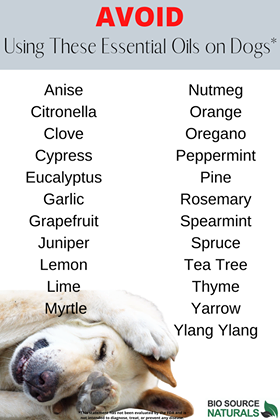 Caution: Avoid the essential oils on the chart to the right when you have pet dogs.* You can download this free chart on essential oils to avoid when you have dogs from our store.
Tips for storing and using spider repellent*
- Store your repellent away from children and pets.
- Avoid applying the repellent near food as it contains strong scents that may affect the aroma of the food.
- Shake the spray bottle each time before using it to mix the essential oils and water for an effective repellent.
- Replace cotton balls every two to three weeks to ensure that the repellent is as strong as possible.
- Don’t spray the repellent directly onto pets.
Precautions When Using Essential Oils as Spider Repellent*
Essential oils are safe and effective when used correctly. However, it is important to note that some oils may cause skin irritation or allergic reactions. Always test the oil on a small patch of skin before using it and if you have any concerns, seek medical advice. Essentially follow all safety precautions that you would when using chemical pesticides purchased from a retail store.
Spider infestations can be both annoying and scary. With essential oils, you can create an effective and natural spider repellent and keep your home pest-free. Try these different methods and oils to find the perfect combination that works best for you and your home.
For more information on repelling insects see Essential Oils That Repel Insects and Essential Oils as Insect Repellents – Natural Options
*Statements on this page have not been evaluated by the FDA and are not intended to diagnose, treat, cure, or prevent any disease.
Written by BioSource Naturals Editorial Team
Reviewed by Lezlie Cebulski, Traditional Naturopath, Aromatherapist, Formulator & Founder
About the Reviewer

🔍 Click Image to Enlarge and Read