
Pure Aromatherapy for Body, Mind & Spirit
Essential Oils That Repel Insects
Essential Oils That Repel Insects
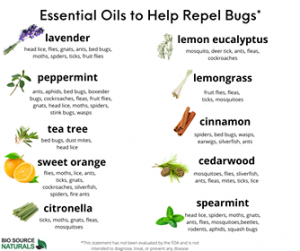 The weather is finally starting to warm up and with the warmer weather we all know here come the bugs. Spiders in the garage, ants in the kitchen, mosquitoes biting us. Bugs, bugs, bugs! What essential oils that repel insects should we use?
Deet may be effective, but it also has serious health and environmental consequences. Side effects may include skin irritation, neurotoxicity, kidney and liver damage, birth defects, and more. Alternatively, essential oils that repel insects are also effective, as well as safe.*
Top 10 Essential Oils That Repel Insects
- Cedarwood
- Cinnamon Bark
- Citronella
- Eucalyptus
- Lavender
- Lemongrass
- Peppermint
- Sweet orange (+ other citrus essential oils like lemon & grapefruit)
- Spearmint
- Tea Tree
Additional essential oils that can be used for your repelling insects recipes: basil, clove bud, geranium, ylang ylang, palmarosa, thyme.
Most Effective Essential Oils Repel Insects – Mosquitoes, Flies, or Ticks
Mosquitoes: lavender, geranium, lemongrass, eucalyptus, citronella, and others
Flies & Gnats: lavender, patchouli, rosemary, peppermint, spearmint, and others
Ticks: lavender, lemongrass, eucalyptus, rosemary, sage, thyme, and others
Note: Ylang Ylang and palmarosa are two oils sometimes used to create natural bug sprays. Plus ylang ylang has been used as a mosquito repellent successfully in some studies. In one study, lemongrass essential oil had high mortality rates against the three species of mosquitoes for up to 24 hours after application.*
Be sure to label your essential oils that repel insects spray creations to ensure you are using the most effective spray for the insects you created it for and for the proper age group.
Some Favorite Essential Oils That Repel Insects – Bug Spray Blends
There are many combinations of essential oils that repel bugs. You may have found one recipe online or one your friend tried and loved that you weren’t so crazy about. Luckily there are many options so you can easily make a custom spray that you and your family will love.
We recommend using the following amounts of essential oils in the insect spray base below for adults and children over 10 years of age.*
- 10 drops geranium + 15 drops lavender + 5 drops patchouli + 10 drops lemongrass + 10 drops citronella
- 15 drops lemongrass + 15 drops eucalyptus + 20 drops citronella
- 20 drops lavender + 20 drops lemongrass + 10 drops peppermint
- 20 drops rosemary + 20 drops cedarwood + 10 drops peppermint
- 15 drops lavender + 10 drops basil + 10 drops rosemary + 15 drops spearmint
- 15 drops eucalyptus + 20 drops lavender + 15 drops lemongrass
Try these combinations of essential oils for KID SAFE blends to repel insects and bugs. Combine in the insect spray base below.
- 10 drops lavender + 10 drops citronella
- 8 drops lavender + 5 drops geranium + 7 drops cedarwood
- 10 drops eucalyptus citrodora + 10 drops lavender
- 5 drops lavender + 5 drops geranium + 2 drops patchouli + 8 drops spearmint
- 5 drops geranium + 5 drops citronella + 2 drops patchouli + 3 drops eucalyptus citrodora + 3 drops lavender + 3 drops spearmint
- 10 drops citronella + 5 drops eucalyptus citrodora + 3 drops patchouli + 3 drops lavender
DIY Essential Oil Insect Spray Base
- 4 oz clean spray bottle
- distilled water
- witch hazel or vodka
Fill the spray bottle halfway with about 2 ounces of distilled water, 1 ounce of witch hazel or vodka. At this point you will add your essential oils. Finally fill the bottle just shy of the top with distilled water, this will allow you to be able to shake the mixture before each use. The oils and water will separate while sitting.
Using Essential Oils for Other Bug Issues
Natural spider repellent – Spiders hate the smell of peppermint, so simply use a little peppermint essential oil to encourage them to find a new home. Mix 15 drops of peppermint essential oil and a cup of water in a spray bottle. Shake well and then spray all around your home (inside and out) where spiders hang out or might enter your home.
Keep ants away – Use cinnamon bark and powdered cinnamon to get rid of ants! It messes up their pheromones and they get lost. They lose their way and they won’t be back!
Flies in the house? – Keep them out of the house by making a spray mix of 8 oz water and 10 drops peppermint, 10 drops lavender, 10 drops orange, and 10 drops patchouli. Spray this blend around your doors and windows. You can also diffuse to keep flies away with this diffuser blend of : 2 peppermint, 2 lavender, 1 orange, and 1 patchouli.
Keep the bugs out of the pantry – Mix a few drops of either citronella, eucalyptus, peppermint or tea tree with vinegar and wipe your pantry shelves down.
Bed bugs – Check out our blog article on Pesky Bed Bugs for different ways to use essential oils for these not so welcome creatures.
Remedies For When You Already Have A Bite
Sometimes, you can take preventative measures and still end up with a nasty, itchy, red mosquito bite!
When this happens, apply lavender, tea tree, or apple cider vinegar directly to the bite. You can also use a chilled chamomile teabag to calm and reduce inflammation. Ice cubes are also beneficial.*
Also checkout our blog DIY Soothing Bug Bite Roll-On for a natural solution for that bite.
To read more about useful essential oils and insect bites, visit here.
*This statement has not been evaluated by the FDA and is not intended to diagnose, treat, or prevent any disease.
References
These essential oils are available in organic: