

Pure Essential Oils - Massage Oils - BioSource Naturals

Pure Aromatherapy for Body, Mind & Spirit

Calendula Oil Uses and Benefits

CO2 Extracted

Calendula Oil Uses and Benefits

Calendula Oil Uses and Benefits

Calendula Oil Properties (Calendula officinalis)

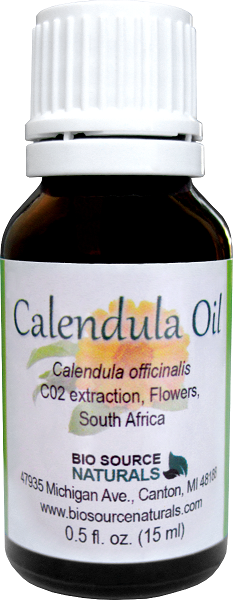
Calendula Oil has a warm, herbaceous aroma with subtle floral, earthy, and marigold-like notes. Derived from the flowering tops of Calendula officinalis, this botanical extract has been valued for centuries in herbal traditions, personal care formulations, and aromatic wellness practices.*

  • CO2 Extracted from Flowering Tops
  • Country of Origin: South Africa

Calendula, often known as Marigold or “Mary’s Gold,” has a long history of use in traditional herbal preparations, personal care products, and botanical wellness traditions. Its vibrant golden flowers have been appreciated throughout Europe and the Mediterranean region for their beauty, versatility, and cultural significance.*

Today, Calendula Oil is widely used in body care products, massage oils, salves, lotions, soaps, and botanical skincare formulations. Its gentle aromatic profile and rich botanical heritage make it a popular addition to self-care rituals and handcrafted wellness products.*

For general research on essential oils, visit PubMed.

Includes a complimentary digital affirmation card inspired by Calendula’s long-standing association with nurturing, comfort, renewal, and self-care, perfect for wellness practitioners, bodyworkers, and everyday mindfulness rituals.*

*These statements have not been evaluated by the Food and Drug Administration. This product is not intended to diagnose, treat, cure, or prevent any disease.

Benefits of Calendula Oil

  • Popular in botanical skincare and personal care formulations*
  • Frequently used in lotions, creams, salves, massage oils, and handcrafted body products*
  • Adds a gentle botanical character to self-care and wellness routines*
  • Traditionally appreciated in herbal and botanical wellness practices*
  • Blends beautifully with floral, citrus, and herbal oils*
  • Supports mindful self-care rituals and personal wellness routines*
  • Valued for its rich botanical history and versatility in handcrafted formulations*
  • A favorite ingredient among herbalists, bodyworkers, and natural product enthusiasts*

💚 Why You’ll Love It

  • CO2 extracted from flowering tops of Calendula officinalis*
  • Rich botanical heritage associated with Marigold traditions*
  • Popular in handcrafted skincare, salves, lotions, and massage oils*
  • Frequently paired with Lavender in botanical wellness formulations*
  • Blends beautifully with Lavender, Lemon, Lime, Rose, Neroli, Jasmine, Oakmoss, Cinnamon, and other floral oils*
  • A favorite for herbal-inspired self-care rituals and body care creations*
  • Adds botanical richness and aromatic depth to personal care products*
  • Appreciated by herbalists, bodyworkers, and wellness practitioners for its versatility*

What’s Inside

Calendula Oil (Calendula officinalis) – CO2 extracted from the flowering tops of Calendula officinalis to capture the plant’s rich botanical character and aromatic qualities. Often known as Marigold or “Mary’s Gold,” calendula has a long history of use in herbal traditions, personal care products, and handcrafted wellness formulations.*

Its botanical richness makes it a popular addition to lotions, creams, massage oils, salves, soaps, and other body care products designed to support self-care rituals and natural wellness lifestyles.*

How Essential Oils Affect You

Essential oils have long been part of holistic wellness practices, known for supporting emotional balance, relaxation, and vitality. Their aromas can influence mood, creating a sense of calm, focus, or renewal depending on individual needs.

To learn more about how essential oils interact with the body and emotions, visit our informational page: How Essential Oils Affect You.*

🧪 Scientific Insight

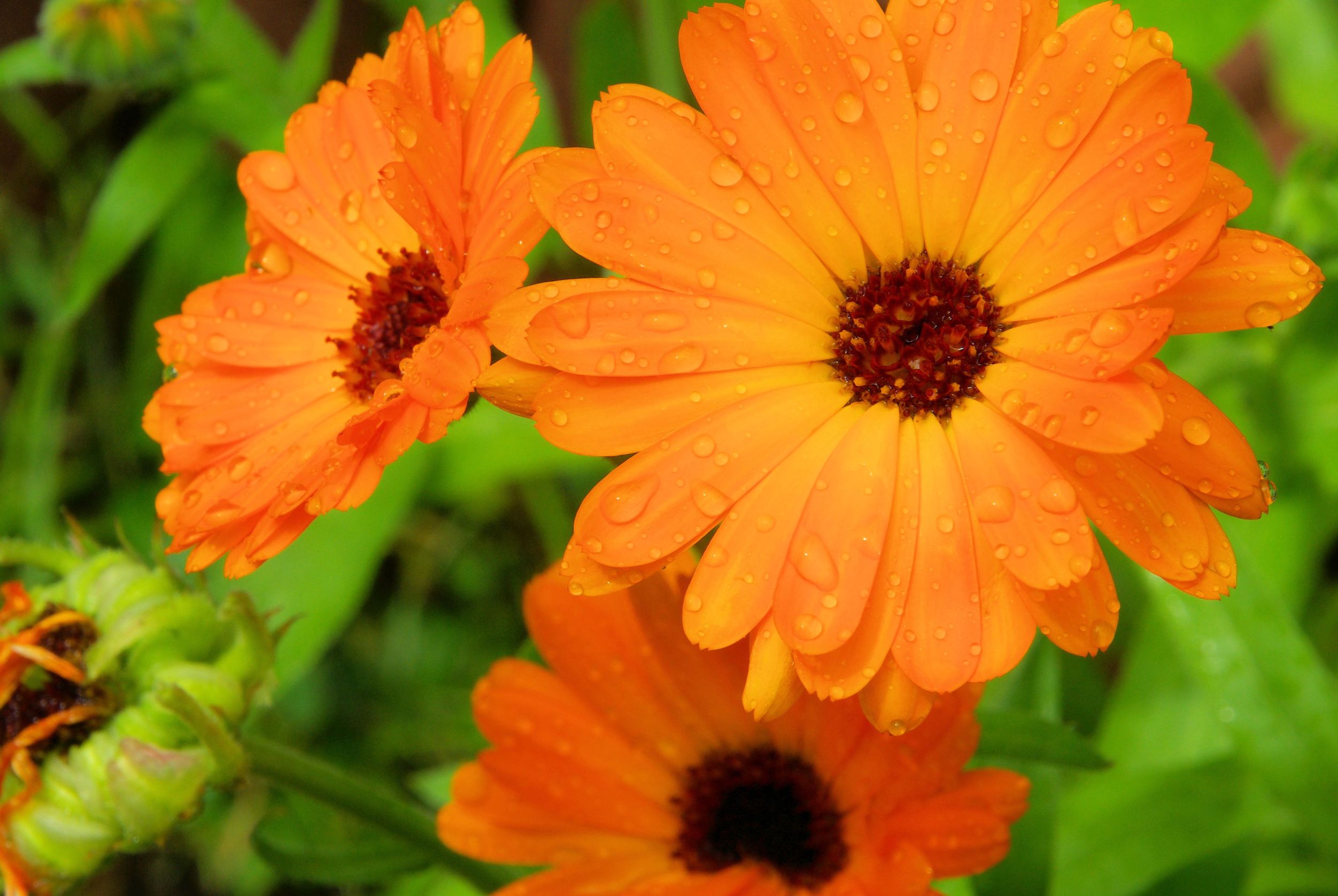
Calendula Oil is derived from Calendula officinalis, a flowering plant commonly known as Marigold. Native to parts of Europe, the Mediterranean region, and Southwestern Asia, calendula has been cultivated for centuries for its vibrant flowers, ornamental beauty, and traditional botanical uses.

The name Calendula is believed to originate from the Latin word meaning “little calendar,” reflecting the plant’s long blooming season. Throughout history, calendula flowers were incorporated into celebrations, herbal traditions, culinary preparations, and personal care products. The golden petals were often used to add natural color to foods, including cheeses, and were valued for their bright appearance and versatility.*

Calendula is sometimes referred to as “Mary’s Gold,” a name associated with European traditions honoring the Blessed Virgin Mary. This rich cultural history has helped establish calendula as one of the most recognized and widely appreciated botanical ingredients in herbal wellness practices.*

This Calendula Oil is CO2 extracted from the flowering tops, a process that helps preserve the plant’s aromatic and botanical characteristics. Today, Calendula Oil remains a popular ingredient in handcrafted body care products, massage oils, botanical skincare formulations, salves, lotions, soaps, and wellness rituals inspired by nature.*

🌟 How It May Support You

Calendula Oil is traditionally used in botanical wellness practices to support:

  • Self-care routines focused on comfort, balance, and mindful living*
  • Personal care rituals inspired by herbal and botanical traditions*
  • Handcrafted body care products, lotions, creams, salves, and massage oils*
  • Aromatic wellness experiences that encourage relaxation and self-nurturing*
  • Wellness routines centered on creating moments of restoration and renewal*
  • Botanical skincare and body care formulations designed for everyday use*
  • Feelings of comfort, warmth, and connection to nature-inspired wellness practices*
  • Mindfulness rituals that encourage intentional self-care and personal well-being*

How to Use

Topical Use (Concentrate): Dilute 3 to 5 drops in 1 teaspoon of carrier oil such as jojoba, grapeseed, coconut, apricot kernel, sunflower, or sweet almond before applying to the skin.*

Body Care Use: Calendula Oil is often incorporated into lotions, creams, salves, body butters, and massage oils to add botanical richness to personal care formulations.*

Massage Use: Blend diluted drops into massage oils for a soothing aromatic experience that complements self-care and wellness routines.*

Handcrafted Formulations: Frequently used in soaps, balms, salves, body oils, and other DIY botanical creations because of its rich herbal heritage and versatility.*

Aromatherapy Use: Add a small amount to diffuser blends or personal aromatherapy creations to enjoy its gentle botanical character.*

Wellness Rituals: Incorporate into daily self-care routines, journaling practices, relaxation rituals, or spa-inspired experiences designed to encourage mindfulness and balance.*

Natural Fragrance Use: Calendula pairs beautifully with floral, citrus, and herbal oils in personal fragrance and body care applications.*

Blend Inspiration: Calendula Oil blends beautifully with Lavender, Lemon, Lime, Rose, Neroli, Jasmine, Oakmoss, Cinnamon, and other floral and botanical oils.*

Product Size & Packaging Options

Concentrate Amber Bottles (with Dropper):
• 0.5 fl oz (15 ml)
• 1 fl oz (30 ml)

Concentrate Amber Glass Pourable Bottles:
• 2 fl oz (60 ml)
• 4 fl oz (120 ml)

All products are safety shrink-wrapped and sealed for protection.

✨ Special Offer

Download ALL of our FREE Tapping Scripts – Combining Essential Oils & EFT – EOTT

🛒 Ready to Experience Calendula Oil?

Bring the rich botanical heritage of Calendula Oil into your body care creations, massage oils, self-care rituals, and handcrafted wellness products. Its long history in herbal traditions and personal care formulations makes it a favorite among herbalists, bodyworkers, and natural wellness enthusiasts.*

👉 Select Your Size on the Right and Click Buy Now

💬 Common Questions – Calendula Oil FAQ

Q: What is Calendula Oil?

A: Calendula Oil is derived from the flowering tops of Calendula officinalis, commonly known as Marigold. It has a long history of use in herbal traditions, personal care products, and botanical wellness practices.*

Q: What does Calendula Oil smell like?

A: Calendula Oil has a warm, herbaceous aroma with subtle floral, earthy, musky, and marigold-like notes.*

Q: How is this Calendula Oil extracted?

A: This Calendula Oil is CO2 extracted from the flowering tops, a method valued for preserving the plant’s aromatic and botanical characteristics.*

Q: What products is Calendula Oil commonly used in?

A: Calendula Oil is frequently incorporated into lotions, creams, salves, soaps, massage oils, body butters, and other handcrafted body care products.*

Q: Why is Calendula called Mary’s Gold?

A: Calendula is sometimes referred to as “Mary’s Gold,” a traditional name associated with European customs honoring the Blessed Virgin Mary and the flower’s bright golden blooms.*

Q: Can Calendula Oil be applied to the skin?

A: Yes, but it should always be diluted appropriately and used according to recommended guidelines. Review all safety information before use.*

⚠️ Important Safety Information

  • For external use only.
  • Always dilute before applying to the skin.
  • Avoid contact with eyes, mucous membranes, and sensitive areas.
  • Perform a patch test before widespread topical use.
  • May cause sensitivity in some individuals. Discontinue use if irritation occurs.
  • Keep out of reach of children.
  • If pregnant, nursing, taking medication, or under medical supervision, consult a qualified healthcare professional before use.
  • Store in a cool, dry place away from direct sunlight.
  • See our Safety Information page for additional guidance on essential oil use.

⭐ Calendula Oil Reviews

“Hard to find and got this quickly. Like the quality and happy with purchase. Works well in my homemade healing balm.” -Stephanie M. Miller

“Very good product helped out my acne/scars a lot, in fact my acne is completely gone and my scars are almost gone! I’m even starting to get compliments about my skin!” – S.C.

“Used in skin softening lotion, works great. Shipped fast. Thanks!” – CC

“Item was well packaged and in perfect condition.” – DT

“Thank you for a quality product.” A. Taylor

“Nice oil.” – A. Griffith

“Arrived as described.” – S. Johnson

“I’m very pleased with the transaction from start to finish, thank you! Love the product!!” – V. O’Connor

“A+”- T. Smith

“Great aroma.” – Rim

“This product was great! Only thing was that it smelled slightly different from another calendula smell I was used to. I would recommend this product for sure :)” – S. Prevette

“Good oil.” – E. Moore

“Love it! It’s going into quite a few of my skin care blends and it smells so fresh!” – Jules

”A surprising scent and good quality.” J. Buzzeo

”Good quality, easy transaction!” T. Langston

”Love this product. The scent is amazing and a great quality.” L. Mikulka”

”Items very securely packed and arrived well before estimated delivery date!” F. Belanger

“Thank you. Very nice quality.” L. LaJoie

”I had a very good experience with BioSource Naturals. Product was as advertised and arrived timely and in beautiful condition. I am looking forward to making salves and lotions with this Calendula essential oil. Thanks BioSource!!” E. Gracie
”Great product, great service.” L. Bach

Reviews and testimonials reflect the individual reviewer’s results only. Product results may vary based on the user and no guarantee of results are implied.

📚 References

Lawless, J. The Encyclopedia of Essential Oils. Revised Edition. Conari Press.

Price, S., & Price, L. Aromatherapy for Health Professionals. 4th Edition. Churchill Livingstone Elsevier.

Tisserand, R., & Young, R. Essential Oil Safety: A Guide for Health Care Professionals. 2nd Edition. Churchill Livingstone Elsevier.

Chevallier, A. Encyclopedia of Herbal Medicine. DK Publishing.

PubChem. Calendula officinalis (Calendula) – Botanical and Chemical Information. National Center for Biotechnology Information (NCBI). https://pubchem.ncbi.nlm.nih.gov

Plants of the World Online (POWO). Calendula officinalis L. Royal Botanic Gardens, Kew. https://powo.science.kew.org

National Center for Complementary and Integrative Health (NCCIH). Aromatherapy: What You Need To Know. https://www.nccih.nih.gov

*These statements have not been evaluated by the Food and Drug Administration. This product is not intended to diagnose, treat, cure, or prevent any disease..

References

Plant OilCalendula
Botanical NameCalendula officinalis
SourceFlowering tops
Country of OriginSouth Africa
Extraction MethodCO2
CAS No70892-20-5