
Pure Aromatherapy for Body, Mind & Spirit
Trauma Healing Guide with Natural Support Resources
Trauma Healing Guide with Natural Support Resources
 This trauma healing guide with natural support resources explores trauma as a multi-layered nervous system experience rather than a single emotional response. It explains how shock, fear, grief, guilt, anger, hypervigilance, identity shifts, and somatic symptoms can arise after overwhelming events, even when outcomes appear positive. This trauma healing guide explores how emotional shock, fear, grief, and somatic stress responses can unfold after overwhelming experiences.
The trauma healing guide offers gentle, body-based tools that may support integration over time, including essential oils, EFT tapping phrases, and simple somatic practices designed to help signal safety to the nervous system. Rather than focusing on “fixing” trauma, this article emphasizes regulation, compassion, and gradual healing through natural support methods that honor both emotional and physical responses to stress and shock.
Trauma is often spoken about as though it were a single emotional response, fear, grief, or shock. But trauma is rarely one feeling.
It is a multi-layered nervous system experience that unfolds across time, affecting body, emotion, breath, memory, and meaning. It can influence how we sleep, how we focus, how safe we feel in the world, and how quickly we move from calm to overwhelm, even when everything appears “fine” on the outside.
Many people minimize their trauma because the outcome was “good enough,” because they are functioning, or because others experienced worse situations. But trauma is not defined by outcomes. It is defined by overwhelm, loss of control, and a felt sense of threat to life, safety, or attachment.
Difficult experiences affect both the mind and body. Emotional responses such as shock, fear, grief, guilt, anger, and hypervigilance are common, and the nervous system may continue processing an event long after the experience itself has passed.
This article explores several layers of trauma, what they are, how they may appear, and how gentle tools such as aromatherapy, EFT tapping, and somatic awareness practices may support the nervous system as it integrates what it has been carrying.
This is not about fixing yourself. It is about supporting a system that adapted to survive.
If you would like to explore scientific literature related to aromatherapy and integrative health approaches, PubMed, a free database from the U.S. National Library of Medicine, provides access to biomedical and life sciences research.
The sections in the trauma healing guide below explore ways the mind and body may respond to stressful experiences, along with aromatherapy, EFT tapping, and simple somatic practices that may help support emotional balance and physical relaxation as part of a personal wellness routine.*
Trauma Healing Guide Table of Contents
- Shock: When the System Goes Offline to Protect You
- Fear: The Nervous System Remembers Danger
- Grief: Mourning What Was & What Changed
- Helplessness: When Control Was Taken Away
- Hypervigilance: When the Body Stays on Alert
- Guilt: When the Mind Replays What Happened
- Anger: Releasing the Energy of What Happened
- Identity Shift: Rediscovering Who You Are
- Somatic Memory: When the Body Holds the Experience
- Integration: Moving Forward with Balance
- Final Words
- Common Questions About Trauma Support Tools
1. Shock: When the System Goes Offline to Protect You
What Shock Is
Shock is the nervous system’s first line of defense when reality arrives too fast.
It can look like:
- Emotional numbness
- Disbelief or detachment
- Feeling unreal or “foggy”
- A sense that time slowed or fragmented
Shock is not denial. It is biological triage. The body temporarily dampens sensation so you can keep going.
How Shock Gets Stuck
If shock isn’t gently metabolized, it can linger as dissociation, fatigue, or emotional flatness weeks later.
 Support with Essential Oils
Shock benefits from oils that anchor awareness back into the body without overwhelming it.
Helpful oils:
- Frankincense – grounding, stabilizing, supports breath and presence*
- Vetiver – deeply anchoring, especially for dissociation
- Black Pine – supportive for adrenal shock and collapse*
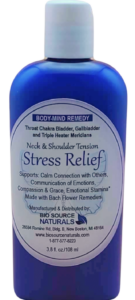
These grounding aromas can be used individually or as part of calming body-care routines. BioSource Naturals often recommends Stress Relief Body-Mind Lotion when the nervous system feels overwhelmed and needs gentle aromatic support.*
Use
- Inhale slowly from palms
- Apply diluted to feet or back of neck
EFT for Shock
Keep language simple. The system doesn’t want analysis yet.
While tapping:
“Even though this was overwhelming, my body did what it needed to do.”
“It’s okay to come back into myself slowly.”
Somatic Practice
- Place one hand on your chest, one on your belly
- Name five things you can see
- Press your feet gently into the floor
2. Fear: The Nervous System Remembers Danger
What Fear Is
Fear after trauma is not irrational. It is pattern recognition.
Common expressions:
- Fear of recurrence
- Fear of being alone
- Fear of relaxing
- Fear of the body betraying you again
Fear is the system saying: “I learned something important. Don’t forget.”
When Fear Becomes Exhausting
Chronic fear can contribute to hypervigilance, sleep disruption, and anxiety that feels disproportionate to current reality.
Support with Essential Oils
Fear often responds well to oils that feel grounding, steady, and reassuring.
Helpful oils include:
- Cedarwood – grounding and calming with a warm woodsy aroma
- Sweet Orange – bright and uplifting, often associated with emotional lightness
- Patchouli – earthy and stabilizing, commonly used in meditation
- Tangerine – gently uplifting and comforting
- Ylang Ylang – a floral aroma often used in calming aromatherapy blends
These oils appear together in Peace Essential Oil Blend, a grounding aromatic blend designed to support moments when the mind and body need calm.*
EFT for Fear
Acknowledge fear without trying to remove it.
While tapping:
“Something scared me, and my body remembers.”
“I’m allowed to feel safe again, a little at a time.”
Somatic Practice
- Lengthen your exhale (inhale 4, exhale 6)
- Gently sway side to side
- Place a hand over your heart as a containment cue
3. Grief: Mourning What Was & What Changed
What Grief Is
Trauma grief is complex. It can include:
- Grief for what almost happened
- Grief for lost innocence
- Grief for the self who lived before
- Grief for the future you assumed
This grief often arrives after the crisis passes.
 Support with Essential Oils
Grief often responds to aromas that support emotional softness without flooding.
Helpful oils:
- Rose – heart support, emotional softening
- Geranium – emotional balance, gentle regulation
- Ylang Ylang – supports grief held in the chest
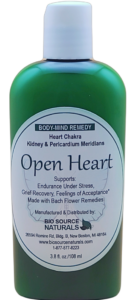
Open Heart Body-Mind Lotion is often used in heart-centered self-care rituals for support during emotional heaviness and transition.* Research on mind-body practices and stress regulation can be explored through the National Library of Medicine database at PubMed.
EFT for Grief
Let grief be legitimate.
While tapping:
“This mattered deeply.”
“I don’t need to rush this feeling away.”
Somatic Practice
- Gentle chest opening stretches
- Slow, rhythmic breathing
- Allow tears without explanation
4. Helplessness: When Control Was Taken Away
What Helplessness Is
During trauma, action may not be possible. This can create an imprint of powerlessness.
Later, this can show up as:
- Over-functioning
- Anxiety
- Needing certainty
- Difficulty trusting outcomes
Support with Essential Oils
Helplessness can benefit from oils traditionally used to support steadiness and inner agency.
Helpful oils:
- Bergamot – supports emotional autonomy
- Clary Sage – supports inner clarity
- Cedarwood – stability and grounding
EFT for Helplessness
While tapping:
“I did what I could with what I knew.”
“I release responsibility for what was never mine to control.”
Somatic Practice
- Press hands together firmly
- Push feet into the ground
- Engage muscles intentionally to reclaim agency
5. Hypervigilance: When Safety Feels Conditional
What Hypervigilance Is
Hypervigilance is the body staying awake to danger even when danger has passed.
Signs include:
- Startle response
- Light sleep
- Difficulty relaxing
- Constant scanning
Support with Essential Oils
Helpful oils:
- Vetiver – nervous system anchoring
- Patchouli – grounding and presence
- Sweet Orange – signals safety and ease
These types of oils are commonly used in calming rituals. BioSource Naturals products such as Stress Relief Body-Mind Lotion and Calming Essential Oil Blend are often chosen as part of relaxation routines designed to support emotional balance and calm.*
EFT for Hypervigilance
While tapping:
“I don’t need to stay on guard all the time anymore.”
“My body can rest now.”
Somatic Practice
- Gentle rocking
- Weighted blanket or firm touch
- Eye tracking side to side to discharge alertness
6. Guilt: The Mind Tries to Regain Control
What Guilt Is
Post-trauma guilt can include:
- “What if” thinking
- Survivor guilt
- Retroactive responsibility
Guilt is often the brain’s attempt to rewrite the ending.
Support with Essential Oils
Helpful oils:
- Frankincense – perspective and spaciousness
- Lemon – mental clarity and release
- Melissa – emotional reassurance
Some people pair reflective aromatherapy practices with body-care routines such as Purification Body-Mind Lotion when they want a sense of renewal and emotional reset.*
EFT for Guilt
While tapping:
“Guilt is my mind trying to protect me.”
“I release responsibility for outcomes beyond my control.”
Somatic Practice
- Place hands on shoulders (self-hug)
- Gentle tapping on arms
- Long exhale breathing
 7. Anger: Protective Energy Without a Place to Go
What Anger Is
Anger often protects against vulnerability and fear. It may be directed at:
- Fate
- The body
- Systems
- Circumstances
Anger is not bad. It is life force energy.
Support with Essential Oils
Helpful oils:
- Peppermint – release tension
- Black Pepper – mobilizes stuck energy
- Ginger – supports movement and digestion of anger
For some people, topical self-care such as massage can feel supportive during stress. BioSource Naturals products such as Peppermint Kissable Massage Oil and are often used in body-care routines for areas that feel overworked or tense.*
EFT for Anger
While tapping:
“Something was unfair.”
“I’m allowed to feel this energy safely.”
Somatic Practice
- Wall push-ups
- Shaking arms and hands
- Vocal release (sighing, humming)
8. Identity Shift: “Life Is Different Now”
What This Is
After trauma, many people feel:
- Older
- Altered
- Less naïve
- Changed in ways they can’t name
This is existential trauma, not pathology.
Support with Essential Oils
Helpful oils:
- Sandalwood – grounding identity
- Frankincense – integration
- Myrrh – depth and meaning
Some people incorporate these kinds of aromatics into grounding body-care rituals. Frankincense & Myrrh Massage Oil is often used during reflective self-care routines that support a calm, centered atmosphere.*
EFT for Identity Shift
While tapping:
“I am allowed to integrate who I am becoming.”
“I honor who I was and who I am now.”
Somatic Practice
- Journaling with body awareness
- Walking meditation
- Naming internal sensations without judgment
 9. Somatic Trauma: When the Body Holds the Memory
What Somatic Trauma Is
Trauma can be held in fascia, muscles, breath patterns, and posture.
It can show up as:
- Pain
- Inflammation
- Fatigue
- Autoimmune flares
Support with Essential Oils
Helpful oils:
- Lavender – tissue relaxation
- Helichrysum – trauma held in tissue
- Sweet Marjoram – muscle release
These types of oils are commonly used in topical aromatherapy routines designed to support physical comfort and relaxation. BioSource Naturals products such as Phyto Body Soothe Spray feature essential oils traditionally used to support comfort for tired muscles and joints after physical activity.*
10. Integration: Moving Forward with Balance
What Integration Means
After the mind and body begin to process a stressful or traumatic experience, many people notice a gradual shift. Intense emotional responses often begin to soften as the nervous system slowly learns that it is safe to return to balance.
With time, reflection, and supportive practices, people often discover new insight, resilience, and perspective.
Support with Essential Oils
Certain aromas are traditionally used in aromatherapy during periods of reflection, emotional balance, and renewed perspective.
Helpful oils include:
- Lavender – calming and widely used to support emotional balance
- Frankincense – associated with reflection, grounding, and meditation
- Citrus oils such as Sweet Orange or Lemon – uplifting and refreshing for the senses
These types of oils are often used during self-care rituals such as journaling, meditation, or quiet relaxation. BioSource Naturals blends such as Serenity Essential Oil Blend and Joy Essential Oil Blend combine aromatics traditionally used to support emotional balance, reflection, and moments of renewed lightness.*
EFT for Integration
Tapping can help acknowledge the journey while allowing the nervous system to settle into a sense of stability.
While tapping:
“I honor everything I have moved through.”
“I allow myself to move forward with balance and openness.”
Somatic Support
Gentle practices can help reinforce a sense of stability and connection between the mind and body.
- Slow breathing or meditation
- Journaling and reflective practices
- Spending time in calming environments such as nature
These practices can help the nervous system maintain balance as life continues to unfold.
Final Words
Trauma is not something you “get over.” It is something the nervous system learns to carry differently.
With patience.
With safety.
With support.
This trauma healing guide is designed to help readers understand the many layers of trauma and explore supportive practices that may help the nervous system restore balance over time.
Common Questions About Trauma Support Tools
Q: Can essential oils “heal” trauma?
A: Essential oils don’t treat or cure trauma. Many people use aromatherapy as a supportive ritual for grounding, emotional balance, and nervous system settling.*
Q: What’s the simplest place to start?
A: Pick one tool: one scent + one breathing pattern + one short EFT phrase. Repeat consistently for a week.
Q: Do I need to dilute essential oil blends?
A: Yes—concentrated essential oil blends should be diluted in a carrier oil before topical use.
Q: Can aromatherapy replace therapy or professional support?
A: No. Aromatherapy, EFT tapping, and somatic practices are supportive wellness tools and are not intended to replace professional mental health care or medical treatment.
Q: Are essential oils safe for everyone?
A: Essential oils are highly concentrated plant extracts and should be used with care. Some oils may not be appropriate for children, pregnancy, or certain medical conditions. Review safety guidelines and consult a qualified professional if you have concerns.
About the Author

🔍 Click Image to Enlarge and Read
*These statements have not been evaluated by the Food and Drug Administration. This product is not intended to diagnose, treat, cure, or prevent any disease.