
Pure Essential Oils - Massage Oils - BioSource Naturals

Pure Aromatherapy for Body, Mind & Spirit

Essential Oils for Cold Sores & Fever Blisters

Fast Healing Support

Essential Oils for Cold Sores | Tea Tree Oil, Research & Safe Lip Care

Can essential oils for cold sores be used as part of a skin-care routine when you are prone to cold sores?

Tea tree, eucalyptus, peppermint, lavender, clove, thyme, and several other essential oils have been investigated for antiviral activity in laboratory research, and tea tree oil has even been evaluated in a small human clinical trial involving recurrent cold sores.[1–4]

However, there is an important distinction between promising research and a proven cold-sore treatment.

Essential oils for cold sores sold for aromatherapy or cosmetic purposes should not be considered substitutes for antiviral medications or medical treatment for herpes simplex virus (HSV). They can also irritate the sensitive skin around the lips if used improperly.

This guide explains what cold sores are, what researchers have discovered about essential oils and herpes simplex virus, and how to approach essential oils safely when caring for the skin around the lips.

What Are Cold Sores or Fever Blisters?

Cold sores, also called fever blisters or herpes labialis, are small blisters that usually develop on or around the lips.

They are caused by the herpes simplex virus (HSV). HSV-1 is the type most commonly associated with oral herpes, although HSV-2 can also cause oral infection.[5,6]

Once someone acquires HSV, the virus remains in the body. It can become inactive and later reactivate, causing another outbreak.

Common triggers can include:

  • emotional or physical stress;
  • fatigue;
  • illness or fever;
  • sun exposure;
  • hormonal changes; and
  • other circumstances that trigger reactivation of the virus.

The American Academy of Dermatology notes that stress, fatigue, illness, and other factors can trigger recurrent cold sores.

How Long Do Cold Sores Last?

For many people, a cold sore will clear without treatment in approximately 7 to 14 days.

A tingling, itching, or burning sensation may occur before the blister becomes visible. This early stage is sometimes called the prodrome.

Because HSV is contagious, cold sores should not be picked, squeezed, or repeatedly touched.

Avoid sharing objects that contact the mouth, such as lip products, eating utensils, cups, or towels during an active outbreak.

Can Essential Oils Treat Cold Sores?

There is laboratory research showing that certain essential oils and their components can affect herpes simplex virus under experimental conditions.

That is interesting research—but laboratory antiviral activity does not establish that applying an essential oil to a person’s skin will treat, cure, or prevent herpes.

The U.S. Food and Drug Administration considers products promoted to treat or prevent diseases such as herpes to be drugs based on their intended use. Aromatherapy products do not become exempt simply because their ingredients are natural or botanical.

For that reason, BioSource Naturals does not represent its essential oils as treatments for HSV or cold sores.

Instead, the research below is provided for educational purposes.

Tea Tree Essential Oil and Cold Sore Research

Tea Tree Essential Oil is probably one of the most interesting essential oils studied in connection with herpes simplex virus.

Laboratory Research on Tea Tree Oil and HSV

In a laboratory study published in Pharmazie, researchers examined Australian tea tree oil and eucalyptus oil against HSV-1 and HSV-2.

Both oils demonstrated antiviral activity against the viruses under laboratory conditions, with tea tree oil showing particularly strong activity when the virus was exposed to the oil before or during infection of cultured cells.[1]

Other laboratory research has similarly reported that selected essential oils and isolated monoterpenes can reduce HSV infectivity under experimental conditions.[3]

These findings are scientifically interesting, but they are in-vitro findings. They do not establish that using ordinary tea tree essential oil on a cold sore will produce the same effect in a person.

Has Tea Tree Oil Been Studied in People With Cold Sores?

Yes.

Researchers have conducted a small randomized clinical study involving a 6% tea tree oil gel in people with recurrent herpes labialis.[2]

That study is one reason tea tree oil continues to attract research interest.

However, it evaluated a particular experimental preparation rather than ordinary undiluted tea tree essential oil, and the evidence remains far more limited than the evidence supporting established antiviral medications.

Therefore, the study should not be interpreted to mean that BioSource Naturals Tea Tree Essential Oil has been clinically demonstrated to treat cold sores.

Other Essential Oils for Cold Sores Studied in Herpes Research

Several other essential oils or botanical constituents have attracted scientific interest in relation to herpes simplex virus.

Eucalyptus Essential Oil

Eucalyptus Essential Oil was studied alongside tea tree oil in laboratory research involving both HSV-1 and HSV-2.[1]

Researchers found antiviral activity under laboratory conditions.

Again, this does not establish eucalyptus essential oil as a clinical treatment for cold sores.

Because eucalyptus can also be irritating around sensitive facial tissue, it should not be casually applied to the lips or mouth.

Peppermint Essential Oil

Fresh, cooling Peppermint Essential Oil has also attracted interest in experimental antiviral research.

Its cooling sensation can make peppermint appealing for many cosmetic applications, but the delicate skin around an active cold sore can be much more sensitive than intact skin.

More is not better. Strong essential oils can create burning or irritation that may make already-irritated skin more uncomfortable.

Clove Essential Oil

Clove Bud Essential Oil contains high levels of eugenol and has been investigated extensively for antimicrobial properties.

However, clove is also a potent and potentially irritating essential oil, particularly on sensitive or compromised skin.

Its presence in laboratory antimicrobial research does not mean concentrated clove oil should be dabbed directly onto a cold sore.

Thyme Essential Oil

Thyme Essential Oil is another highly concentrated botanical oil frequently investigated for antimicrobial activity.

Because some thyme chemotypes can be particularly irritating to the skin, careful dilution and oil-specific safety guidelines are essential.

Lavender Essential Oil

Lavender Essential Oil is valued primarily for its soft aroma and use in gentle skin-care and relaxation rituals.

Unlike tea tree oil, lavender does not have sufficient human evidence to describe it as a cold-sore treatment.

It may nevertheless be incorporated into appropriately formulated cosmetic products designed to condition healthy skin surrounding the lips.

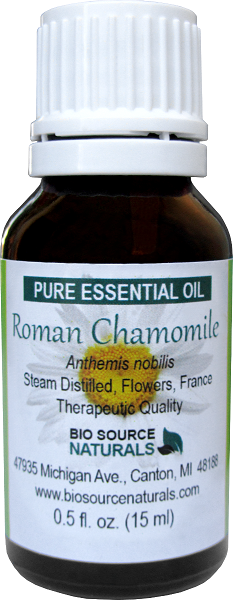
Roman Chamomile Essential Oil

Gentle, softly aromatic Roman Chamomile Essential Oil is commonly used in skin-care aromatherapy.

Its traditional use makes it appealing for calming cosmetic preparations, although evidence demonstrating a clinical effect against cold sores is limited.

Bergamot Essential Oil

Bergamot Essential Oil has a fresh citrus-floral aroma.

However, expressed bergamot essential oil can be phototoxic, meaning inappropriate concentrations applied before ultraviolet exposure may produce a skin reaction.

For that reason, bergamot is not one of our first choices for a leave-on preparation around the lips unless the product and dilution have been formulated with phototoxicity limits in mind.

Rose Geranium Essential Oil

Floral Rose Geranium Essential Oil is widely incorporated into cosmetic skin-care formulations.

Its value here is better described in terms of aroma and cosmetic skin care rather than as a treatment for herpes simplex virus.

Hyssop Essential Oil

Hyssop Essential Oil has traditionally appeared in aromatherapy formulas.

Because hyssop also presents important safety considerations and there are gentler choices available for facial applications, it is not an essential oil we would recommend casually experimenting with around the lips.

Should You Put Tea Tree Oil Directly on a Cold Sore?

We do not recommend routinely applying undiluted tea tree oil directly to a cold sore.

Essential oils are highly concentrated botanical extracts, and irritated, blistered, or broken skin can react differently from healthy intact skin.

Applying a concentrated essential oil directly to already compromised tissue can cause additional:

  • burning;
  • redness;
  • irritation;
  • dryness; or
  • contact dermatitis.

Importantly, the clinical tea tree study did not simply instruct people to apply arbitrary drops of undiluted tea tree essential oil. Researchers evaluated a formulated 6% tea tree oil gel.[2]

That’s an important difference.

A Safer Essential Oil Approach Around the Lips

If you enjoy aromatherapy during times when you experience cold sores, think of essential oils as part of your general wellness and skin-care routine rather than as antiviral medicine.

Avoid putting undiluted essential oils directly onto open, blistered, weeping, or severely irritated skin.

For intact skin surrounding the lip area, choose a gentle, properly diluted preparation and keep the product outside the mouth.

Learn more about carrier oils and essential-oil dilution.

Because facial skin can be particularly sensitive, lower concentrations are generally preferable to strong home remedies.

Why We Changed the Traditional “Cold Sore Essential Oil Recipe”

Older aromatherapy recommendations sometimes suggested combining approximately six drops of tea tree, peppermint, clove, thyme, eucalyptus, or other essential oils with only 5 mL of carrier oil and repeatedly applying the mixture directly to a blister.

We no longer recommend this approach.

A cold sore is an active viral lesion, and several of these essential oils can be irritating. Increasing the essential-oil concentration does not necessarily increase effectiveness and may instead increase skin irritation.

The research available today supports a more careful distinction between:

laboratory antiviral research

and

safe, clinically proven treatment of cold sores in people.

They are not the same thing.

What Actually Treats Cold Sores?

Cold sores are caused by herpes simplex virus, so treatments proven to affect the course of an outbreak are antiviral medications.

Prescription and nonprescription options are available depending on the situation.

For example, FDA-approved acyclovir cream is indicated for recurrent herpes labialis in appropriate patients.

A dermatologist or other healthcare professional can also recommend oral antiviral therapy, particularly for people who experience frequent or severe outbreaks.

Early treatment can be important with established antiviral therapies, which is one reason people who experience recurring outbreaks often learn to recognize the initial tingling or burning stage.

Cold Sore Self-Care

Whether or not you use aromatherapy as part of your wellness routine, several simple practices can make living with a cold sore easier.

Keep your hands away from the lesion as much as possible and wash them after touching your face.

Do not pick or peel the blister.

Avoid sharing:

  • lip balm or lipstick;
  • cups and glasses;
  • eating utensils;
  • razors;
  • towels; or
  • anything else that touches the affected area.

HSV spreads primarily through direct contact, and transmission can occur through oral contact.

The American Academy of Dermatology also recommends cold-sore self-care strategies beginning when tingling, burning, or itching is first noticed.

Stress, Aromatherapy and Cold Sore Triggers

This may actually be one of the most useful ways to incorporate essential oils into a cold-sore wellness article.

Stress and fatigue are recognized triggers for recurrent cold sores in some people.

Essential oils do not need to “kill the herpes virus” to have a meaningful place in a self-care routine.

Relaxing aromatic rituals may help create an environment that supports rest and stress management.

For example, rather than applying strong essential oils directly to a blister, consider using a favorite relaxing aroma in an appropriate personal inhaler or diffuser.

Lavender Essential Oil is an especially popular choice for evening relaxation.

Aromatic self-care can complement—rather than replace—appropriate medical treatment.

Frequently Asked Questions About Essential Oils and Cold Sores

What essential oil is best for cold sores?

Tea tree oil has some of the most interesting research among essential oils studied in relation to herpes simplex virus.

Laboratory studies have demonstrated antiviral activity against HSV-1 and HSV-2, and a small human trial investigated a 6% tea tree oil gel in recurrent herpes labialis.[1,2]

However, the evidence is not strong enough to describe ordinary tea tree essential oil as a proven treatment for cold sores.

Does tea tree oil kill the herpes virus?

Tea tree oil has demonstrated virucidal activity against herpes simplex virus in laboratory experiments.[1]

That is very different from saying tea tree essential oil kills HSV inside the human body or cures herpes.

HSV remains in the body after infection, and there is currently no cure for herpes simplex infection.

Can I put tea tree oil directly on a fever blister?

We don’t recommend applying undiluted essential oils directly to a fever blister.

Cold sores involve already-inflamed and sometimes broken skin, and concentrated essential oils can increase irritation.

The clinical study involving tea tree oil used a formulated 6% gel rather than undiluted oil.[2]

Can lavender essential oil heal a cold sore?

There is not sufficient human clinical evidence to claim that lavender essential oil heals cold sores.

Lavender may be used for its aroma and in appropriately formulated cosmetic skin-care preparations, but it should not be represented as an antiviral treatment.

Can peppermint essential oil stop a cold sore?

There is not sufficient clinical evidence to conclude that peppermint essential oil stops a cold-sore outbreak.

Laboratory research involving essential oils and their components is scientifically interesting but should not be confused with proof of treatment effectiveness in humans.

Can essential oils prevent cold sores?

Essential oils have not been established as a reliable method of preventing recurrent herpes labialis.

People with predictable or frequent outbreaks should discuss evidence-based preventive or early-treatment strategies with a healthcare professional.

Are cold sores HSV-1 or HSV-2?

Cold sores are most commonly associated with HSV-1, although either HSV-1 or HSV-2 can infect the oral or genital area.

Are cold sores contagious?

Yes. HSV can spread through direct skin-to-skin or oral contact. The risk is particularly relevant when an active lesion is present, so avoid kissing and sharing items that contact the mouth during an outbreak.

When Should You See a Doctor for a Cold Sore?

Most cold sores resolve without medical treatment within approximately 7 to 14 days, but some situations warrant professional care.

The American Academy of Dermatology recommends seeking medical care when, among other situations:

  • a cold sore develops near the eye;
  • you develop numerous cold sores;
  • pain is substantial;
  • a lesion lasts longer than two weeks;
  • you experience six or more outbreaks per year; or
  • you have certain conditions such as atopic dermatitis.

Cold sores close to the eye deserve particular attention because herpes infection involving the eye can be serious.

A More Evidence-Based Approach to Essential Oils and Cold Sores

Essential-oil research involving herpes simplex virus is genuinely interesting.

Tea tree oil in particular has demonstrated antiviral activity against HSV in laboratory studies and has been investigated in a small human trial.[1,2]

But promising research shouldn’t be turned into claims that an aromatherapy essential oil heals cold sores, stops viral spread, prevents outbreaks, or cures herpes.

The most responsible approach is to use essential oils for what they can appropriately provide: botanical aroma, cosmetic skin care on appropriate intact skin, and relaxing self-care rituals.

For an active cold sore, proven antiviral treatments and professional medical guidance remain the better-supported options.

Explore:

Tea Tree Essential Oil

Lavender Essential Oil

Roman Chamomile Essential Oil

Peppermint Essential Oil

Eucalyptus Essential Oil

and learn more about selecting Carrier Oils for Diluting Essential Oils.

Essential Oil Safety

Essential oils are highly concentrated botanical extracts.

Do not ingest essential oils unless a product is specifically formulated and labeled for that use.

Avoid applying concentrated essential oils to broken, blistered, severely irritated, or diseased skin.

Keep essential oils away from the eyes and mucous membranes.

Dilute essential oils appropriately for topical cosmetic use.

Patch test new topical preparations.

Pay attention to oil-specific precautions, including phototoxicity and age, pregnancy, medication, or medical-condition restrictions.

See our Safety Information for additional guidance.

Disclaimer

*For educational purposes only. These statements have not been evaluated by the FDA. Essential oils are not intended to diagnose, treat, cure, or prevent cold sores, herpes simplex virus, or any disease and are not substitutes for professional medical care. Never ingest essential oils or apply them inside the mouth or near the eyes. Always dilute properly, patch test before use, and consult a qualified healthcare professional for severe, frequent, spreading, or persistent cold sores.

You may wish to read these related articles.

Viruses

Essential Oils for Sensitive Skin | Gentle Use Guide

Premium Essential Oils Set of Six: 6 DIY Self-Care Recipes for Everyday Wellness

References

  1. Schnitzler P, Schön K, Reichling J. Antiviral activity of Australian tea tree oil and eucalyptus oil against herpes simplex virus in cell culture. Pharmazie. 2001;56(4):343–347. PMID: 11338678.
  2. Carson CF, Ashton L, Dry L, Smith DW, Riley TV. Melaleuca alternifolia (tea tree) oil gel (6%) for the treatment of recurrent herpes labialis. Journal of Antimicrobial Chemotherapy. 2001;48(3):450–451. doi:10.1093/jac/48.3.450.
  3. Astani A, Reichling J, Schnitzler P. Comparative study on the antiviral activity of selected monoterpenes derived from essential oils. Phytotherapy Research. 2010;24(5):673–679.
  4. Carson CF, Smith DW, Lampacher GJ, Riley TV. Use of deception to achieve double-blinding in a clinical trial of Melaleuca alternifolia (tea tree) oil for the treatment of recurrent herpes labialis. Contemporary Clinical Trials. 2008;29(1):9–12.
  5. World Health Organization. Herpes Simplex Virus. Updated May 30, 2025.
  6. American Academy of Dermatology Association. Cold Sores: Overview, Causes, Diagnosis, Treatment and Self-Care. Accessed August 2026.

See our additional References for aromatherapy and essential-oil resources.