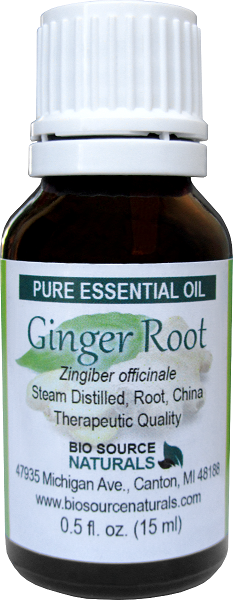

Essential oils for fever, including Ginger Root Essential Oil and Peppermint Essential Oil, can be incorporated into carefully diluted aromatherapy routines for comfort during a mild fever or temporary illness.* Peppermint provides a fresh, cooling aromatic sensation, while Ginger Root has a warm, spicy aroma traditionally associated with comforting body-care preparations.
A fever is part of the body’s response to illness and does not always need to be lowered simply because the temperature is elevated. The underlying cause, age of the person, temperature, duration of the fever, and accompanying symptoms are more important than aromatherapy. Essential oils do not treat the infection or illness causing a fever and should not replace appropriate medical care.
For someone who enjoys aromatherapy, a mild essential-oil compress can instead be viewed as a comfort-focused self-care practice while resting and staying appropriately hydrated.
Ginger Root Essential Oil for Fever Comfort
Ginger Root Essential Oil has a warm, spicy, invigorating aroma. Ginger has a long history of traditional use in wellness practices, while modern research has investigated Ginger and its constituents for a variety of biological properties.
For fever-related self-care, Ginger Root Essential Oil is best positioned as an aromatic comfort ingredient rather than a fever-reducing treatment. It can be used in a properly diluted compress or other appropriate aromatherapy application.*
Peppermint Essential Oil for Cooling Comfort
Peppermint Essential Oil contains menthol and provides its familiar fresh, cooling sensation. Peppermint is often chosen when someone wants an aromatherapy experience that feels cooling, refreshing, and invigorating.*
That cooling sensation should not be confused with treating the underlying cause of a fever. Research on Peppermint and menthol covers numerous biological and clinical applications, but this does not establish Peppermint Essential Oil as a clinical treatment for fever.
DIY Fever Comfort Compress with Essential Oils for Adults
A simple cool or lukewarm compress can provide temporary comfort when you feel warm or uncomfortable during a mild fever. If you choose to add essential oils, use only a very small amount and dilute them properly.
What You Need
- 2 cups cool or lukewarm water
- 1 clean washcloth or small cotton towel
- 1 teaspoon carrier oil, such as Jojoba, Grapeseed, or Fractionated Coconut Oil
- 1 drop Peppermint Essential Oil or
- 1 drop Ginger Root Essential Oil
How to Make the Compress
- Place 2 cups of cool or comfortably lukewarm water in a clean bowl. Do not use ice water.
- In a separate small dish, combine 1 drop of Peppermint or Ginger Root Essential Oil with 1 teaspoon of carrier oil. Essential oils do not dissolve evenly in water, so do not simply drop undiluted essential oil into the bowl.
- Add the diluted oil mixture to the water and stir thoroughly.
- Place a clean washcloth into the water, saturate it, and wring out the excess liquid.
- Apply the damp cloth to the forehead, back of the neck, or another comfortable external area, avoiding the eyes, face, mucous membranes, and irritated or damaged skin.
- Remove the compress if it becomes uncomfortable, causes chills, or irritates the skin.
- Rest and replace the cloth with a freshly dampened one as desired for comfort.
The goal of the compress is comfort, not forcing body temperature down. Physical cooling methods can sometimes increase discomfort or shivering, particularly in children, so discontinue the compress if it does not feel comfortable. A recent systematic review of fever-associated discomfort in children found limited benefit from physical cooling methods and noted increased discomfort with tepid sponging.
Essential Oil Safety During a Fever
A fever may occur in adults or children, but essential-oil use should not be approached the same way for every age group.
Peppermint Essential Oil contains substantial amounts of menthol. Pediatric research demonstrates that menthol from Peppermint Oil can be systemically absorbed, reinforcing the importance of age-appropriate use and dosing.
Do not ingest essential oils as part of this fever-comfort routine. Avoid undiluted topical application, eyes, mucous membranes, and damaged skin. Stop use if irritation, nausea, headache, breathing discomfort, or another adverse reaction occurs.
When a Fever Needs Medical Attention
A fever is a symptom rather than a disease, and sometimes the cause requires medical evaluation.
Seek appropriate medical advice when a fever is high, persistent, worsening, or accompanied by concerning symptoms such as difficulty breathing, severe headache, stiff neck, confusion, seizure, dehydration, persistent vomiting, unusual rash, significant weakness, or other severe symptoms.
Infants and young children require particular caution. Fever-management guidance emphasizes that age, the child’s overall condition, and accompanying symptoms matter when deciding how urgently a fever should be evaluated.
Essential oils should never delay medical evaluation when symptoms suggest a potentially serious illness.
Frequently Asked Questions
What are the best essential oils for fever?
Peppermint and Ginger Root Essential Oils are traditionally associated with cooling or comforting aromatic applications and are the two oils featured in this BioSource Naturals guide.* Neither has been established as a treatment for fever or for the infection or illness causing it.
Does Peppermint Essential Oil reduce a fever?
Peppermint’s menthol content creates a characteristic cooling sensation, but feeling cooler is not the same as clinically treating a fever. Peppermint Essential Oil should be used for aromatic or sensory comfort rather than as a substitute for established fever care.
Does Ginger Essential Oil reduce fever?
Ginger has been investigated for numerous biological properties, but there is insufficient human clinical evidence to recommend Ginger Essential Oil as a fever-reducing treatment. On this page, Ginger is included as a traditional aromatic comfort ingredient.
Can I put essential oils directly into cold water for a compress?
Essential oils do not dissolve in water. Diluting the essential oil in an appropriate carrier before adding it to the compress water reduces the likelihood of concentrated droplets contacting the skin.
Should I use ice water for a fever compress?
No. The purpose is to provide comfort rather than rapidly force down body temperature. Very cold applications may cause shivering and discomfort.
Can essential oils treat the infection causing my fever?
No. A fever can have many causes, and essential oils should not be relied upon to diagnose or treat the underlying infection or illness. Seek medical evaluation when appropriate.
Can I use this essential-oil fever compress on children?
The DIY recipe on this page is intended for adult self-care. Children require age-appropriate fever care, and Peppermint Essential Oil in particular requires additional pediatric safety consideration.
Related Articles
- Essential Oils for Respiratory Support – Explore aromatherapy and essential oils commonly incorporated into respiratory comfort and seasonal self-care routines.*
- Essential Oils for Sinus Congestion – Learn about refreshing essential oils and aromatherapy approaches for sinus and breathing comfort.*
- Essential Oils for Headaches – Explore essential oils and aromatherapy practices for head tension and everyday comfort.*
- Essential Oils for Fatigue & Exhaustion – Discover refreshing and energizing aromas for periods of temporary fatigue and low energy.*
- Essential Oils for Pain Relief & Physical Comfort Complete Guide – Explore essential oils, massage, and supportive self-care for everyday aches, soreness, tension, and physical comfort.*
This information is provided for educational purposes and complementary self-care. Essential oils and BioSource Naturals products are not intended to diagnose, treat, cure, or prevent fever, infection, influenza, or any other disease or medical condition. A fever may indicate an illness requiring medical evaluation. Consult an appropriate healthcare professional for persistent, high, unexplained, or concerning fever or other significant symptoms.
Research Note
Research specifically evaluating Ginger Root or Peppermint Essential Oil as treatments for fever is limited. Research on these botanicals and their constituents examines a much broader range of biological effects and applications, and those findings should not be interpreted as evidence that an essential oil lowers fever or treats its underlying cause. Research on fever management also emphasizes comfort and appropriate evaluation rather than simply lowering body temperature.
References
- Kazemi A, Iraji A, Esmaealzadeh N, Salehi M, Hashempur MH. Peppermint and Menthol: A Review on Their Biochemistry, Pharmacological Activities, Clinical Applications, and Safety Considerations. Critical Reviews in Food Science and Nutrition. 2025;65(8):1553-1578. doi:10.1080/10408398.2023.2296991.
PubMed - Zhao H, Ren S, Yang H, et al. Peppermint Essential Oil: Its Phytochemistry, Biological Activity, Pharmacological Effect and Application. Biomedicine & Pharmacotherapy. 2022;154:113559. doi:10.1016/j.biopha.2022.113559.
PubMed - Kearns GL, Chumpitazi BP, Abdel-Rahman SM, Garg U, Shulman RJ. Systemic Exposure to Menthol Following Administration of Peppermint Oil to Paediatric Patients. BMJ Open. 2015;5:e008375. doi:10.1136/bmjopen-2015-008375.
PubMed - Niehues T, Krafft H, Schemmer J, et al. Clinical Practice Guideline: The Outpatient Management of Fever in Children and Adolescents. Deutsches Ärzteblatt International. 2026. doi:10.3238/arztebl.m2026.0002.
PubMed