
Pure Essential Oils - Massage Oils - BioSource Naturals

Pure Aromatherapy for Body, Mind & Spirit

Essential Oils for Menopause

How to Use

Essential Oils for Menopause – Aromatherapy for Calm, Comfort & Well-Being

Essential oils for menopause can be incorporated into aromatherapy and self-care rituals during perimenopause, menopause, and beyond. Changing hormone levels during the menopausal transition can coincide with hot flashes, night sweats, changes in sleep, mood changes, fatigue, and periods of feeling emotionally or physically unsettled.

Aromatherapy doesn’t replace medical treatment for troublesome menopausal symptoms, but it can provide a comforting sensory ritual during a period of significant change. Essential oils for menopause such as lavender, clary sage, rose geranium, chamomile, jasmine, sage, and ylang ylang have traditionally been used in women’s aromatherapy and relaxation practices.

Scientific interest in aromatherapy during menopause has also grown. Clinical trials and systematic reviews have investigated aromatherapy for physical and psychological menopausal symptoms, sleep, and quality of life. Results are promising in some areas, although the quality of evidence varies considerably and more high-quality research is needed.

Aromatherapy and Menopause: What Does the Research Say?

Aromatherapy has been studied as a complementary approach during menopause.

A 2025 systematic review and meta-analysis evaluated 15 randomized controlled trials involving 1,217 participants, with 13 trials included in the quantitative meta-analysis. The researchers reported favorable results for physical and psychological menopausal symptoms, overall symptom scores, sleep quality, and sexual function compared with control groups.

However, the strength of the evidence varied. Evidence for physical symptoms was rated moderate, while evidence for several other outcomes ranged from low to very low. Differences in essential oils, aromatherapy methods, study populations, sample sizes, and study quality also make broad conclusions difficult.

This means aromatherapy may be a useful complementary self-care practice during menopause, but research involving particular essential oils or study formulations does not establish that every aromatherapy product will produce the same results.

Essential Oils for Menopause Commonly Used

Lavender Essential Oil

Lavender Essential Oil is one of the most extensively studied essential oils in aromatherapy and one of the oils most frequently investigated in menopausal populations.

Lavender contains aromatic constituents including linalool and linalyl acetate and is widely used to create a relaxing environment.

Clinical research involving menopausal women has investigated lavender aromatherapy in relation to hot flashes, sleep, psychological well-being, sexual function, and overall menopausal symptoms. Systematic reviews have found promising results, although individual studies vary in quality.

For everyday aromatherapy, lavender is especially well suited to:

  • Evening relaxation rituals
  • Bedtime aromatherapy
  • Massage
  • Baths
  • Creating a calmer environment during stressful periods

Clary Sage Essential Oil

Clary Sage Essential Oil has a distinctive herbaceous, slightly sweet aroma and a long history of use in women’s aromatherapy.

Clary sage contains aromatic constituents that commonly include linalyl acetate and linalool, although composition varies naturally.

It is frequently incorporated into relaxation, massage, and women’s wellness aromatherapy blends. While clary sage is widely promoted for menopause, the human clinical evidence specifically supporting many of those claims is considerably more limited than popular aromatherapy descriptions sometimes suggest.

For that reason, it is better viewed as a beautifully aromatic component of a menopause self-care ritual rather than as a treatment for hormonal imbalance.

Rose Geranium Essential Oil

Rose Geranium Essential Oil offers a floral, green, slightly rosy aroma.

Geranium has been included in some clinical aromatherapy research involving menopausal women, including combination formulations containing lavender, fennel, geranium, and rose.

Its naturally uplifting floral character also makes rose geranium a popular choice for emotional and personal-care aromatherapy rituals.

Chamomile Essential Oil

Chamomile Essential Oil is valued for its soft, calming aromatic character.

Chamomile is particularly appropriate when your menopause self-care ritual is centered around rest, relaxation, and emotional decompression. It blends beautifully with lavender and other floral or herbaceous oils.

Jasmine Essential Oil

Jasmine Essential Oil has an intensely floral, exotic aroma and a long history of use in perfumery and emotional aromatherapy.

Jasmine is particularly well suited to aromatherapy rituals centered around relaxation, sensuality, confidence, and emotional well-being during periods of personal change.

Sage Essential Oil

Sage Essential Oil has a strong herbaceous aroma and has traditionally been associated with women’s wellness.

Sage essential oil also requires greater care than many everyday essential oils because its chemical composition can include thujone. Follow product-specific safety instructions and avoid assuming that traditional use establishes safety for every person or situation.

Ylang Ylang Essential Oil

Ylang Ylang Essential Oil provides a rich, sweet floral aroma.

Ylang ylang has been investigated in aromatherapy research involving relaxation and physiological responses to stress. Its intensely floral fragrance makes it particularly appropriate for evening relaxation, massage, and emotional self-care rituals.

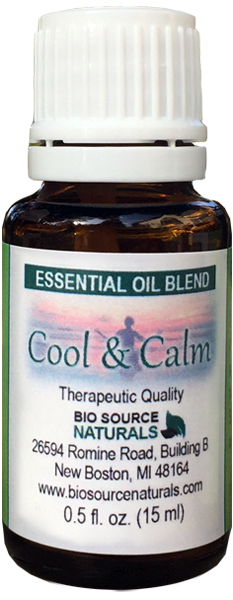
Cool & Calm Essential Oil Blend – Aromatherapy for the Menopause Transition

Cool & Calm Essential Oil Blend was created specifically as an aromatherapy companion for women navigating perimenopause and menopause.

The menopausal transition can affect much more than the menstrual cycle. Changes in temperature regulation, sleep, energy, mood, and everyday stress can make this stage of life feel unpredictable.

Cool & Calm provides a cooling, uplifting aromatic experience that can become part of an intentional daily self-care ritual.

Rather than promising to alter hormone levels or treat menopausal symptoms, think of Cool & Calm as a sensory cue to stop, cool down, reconnect with yourself, and create a moment of calm.

When to Reach for Cool & Calm

Incorporate Cool & Calm Essential Oil Blend into your aromatherapy routine:

  • When you feel overheated or uncomfortable
  • During an evening wind-down ritual
  • When you need a moment of emotional calm
  • Before meditation or breathing exercises
  • During periods of everyday tension
  • As part of your regular menopause self-care routine

For topical use, follow the product directions and appropriate dilution recommendations.

Discover Cool & Calm Essential Oil Blend and learn more about incorporating aromatherapy into your perimenopause and menopause self-care ritual.

How to Use Essential Oils for Menopause

Essential oils can be incorporated into a menopause self-care routine in several ways.

Diffusion

Diffusing essential oils is one of the easiest ways to experience aromatherapy. Lavender may be especially appropriate during an evening relaxation ritual, while floral and herbal oils can create an uplifting atmosphere during the day.

Always follow the directions provided with your diffuser and use essential oils in a well-ventilated space.

Aromatherapy Massage

Massage combines aroma with touch and intentional relaxation.

Essential oils should generally be appropriately diluted in a carrier oil before topical application.

Massage can be particularly enjoyable as part of an evening ritual when you are intentionally transitioning away from the activity and stress of the day.

Aromatic Bath

Some women enjoy aromatherapy as part of a warm evening bath. Essential oils do not disperse safely simply by dropping them directly into bath water, so they should first be incorporated into an appropriate bath product or dispersing medium according to safe aromatherapy guidelines.

Personal Aromatherapy Rituals

Aromatherapy can also be paired with:

  • Slow breathing
  • Meditation
  • Journaling
  • Gentle stretching
  • Rest
  • Evening relaxation routines

Creating a consistent ritual may be just as valuable as choosing a particular scent. Over time, a familiar aroma can become associated with slowing down and making space for yourself.

Essential Oils for Hot Flashes: What Should You Know?

Hot flashes and night sweats are among the most recognizable symptoms of the menopause transition.

Aromatherapy has been investigated clinically for menopausal symptoms, including hot flashes, and lavender has appeared in several studies. Some trials have reported favorable results, but the available evidence does not establish that an essential oil can reliably prevent or stop hot flashes.

A cooling aroma or personal aromatherapy ritual may nevertheless provide a pleasant sensory experience when you feel overheated.

Cool & Calm Essential Oil Blend was designed around this cooling, calming aromatherapy experience rather than as a medical treatment for vasomotor symptoms.

Essential Oils for Menopause Mood & Emotional Well-Being

Menopause is both a physical and emotional transition.

Changes in sleep, stress, responsibilities, relationships, body image, and hormones can all influence how you feel during this period. Lavender, chamomile, rose geranium, jasmine, clary sage, and ylang ylang are frequently chosen for aromatherapy rituals because of their calming, floral, grounding, or uplifting aromatic qualities.

Aromatherapy cannot replace appropriate treatment for significant anxiety, depression, or other mood disorders, but it can become part of a broader self-care practice that includes rest, movement, social connection, relaxation techniques, and professional support when needed.

Frequently Asked Questions About Essential Oils for Menopause

What are the best essential oils for menopause?

Lavender, clary sage, rose geranium, chamomile, jasmine, sage, and ylang ylang are commonly used in women’s aromatherapy during the menopause transition. Lavender has been particularly well represented in clinical aromatherapy research involving menopausal women.

The “best” essential oil ultimately depends on the aromatic experience you’re seeking. Lavender and chamomile are natural choices for relaxation, while rose geranium, jasmine, and ylang ylang offer richer floral aromas.

Can essential oils help with menopause symptoms?

Aromatherapy has been investigated in randomized clinical trials involving menopausal women. A recent systematic review and meta-analysis found favorable results for several physical and psychological outcomes, sleep quality, and overall menopausal symptoms.

However, evidence quality varied from moderate to very low depending on the outcome. Aromatherapy is therefore better considered a complementary wellness practice rather than a replacement for evidence-based medical treatment.

What essential oils are commonly used for hot flashes?

Lavender is among the essential oils that have been investigated in clinical aromatherapy studies involving menopausal hot flashes. Cooling or relaxing aromas may also provide a pleasant sensory experience when you feel overheated.

Essential oils should not, however, be represented as proven treatments for hot flashes.

Is clary sage good for menopause?

Clary sage has a long history of use in women’s aromatherapy and is frequently included in menopause-oriented blends. Its relaxing herbaceous aroma makes it appealing for massage and self-care rituals.

Claims that clary sage “balances hormones” or restores estrogen should be treated cautiously because the available clinical evidence does not establish those effects from ordinary aromatherapy use.

Does lavender help during menopause?

Lavender is one of the better-studied essential oils in menopause aromatherapy research. Clinical studies have investigated lavender in relation to menopausal symptoms including hot flashes, sleep, mood, and quality of life, with some favorable findings.

The evidence remains limited, however, and does not establish lavender essential oil as a treatment for menopause.

Can aromatherapy replace hormone therapy for menopause?

No. Aromatherapy and menopausal hormone therapy are fundamentally different. Essential oils should not be used as a substitute for prescribed hormone therapy or other medical treatment.

If menopausal symptoms significantly interfere with sleep, daily activities, emotional health, or quality of life, discuss available treatment options with a qualified healthcare professional.

How can I use essential oils during menopause?

Essential oils can be diffused or incorporated into appropriately formulated topical products, massage oils, and personal aromatherapy rituals. Follow the directions and safety information for the individual essential oil or finished product.

For a ready-made option specifically designed around the menopause self-care experience, explore Cool & Calm Essential Oil Blend.

Essential Oil Safety During Menopause

Essential oils are highly concentrated botanical materials and should be used responsibly.

  • Follow the directions and dilution recommendations for each product.
  • Do not ingest essential oils.
  • Avoid contact with the eyes, mucous membranes, and damaged skin.
  • Perform a patch test before using a new topical preparation.
  • Keep essential oils away from children and pets.
  • Consult an appropriate healthcare professional if you have a medical condition or take prescription medications.
  • Women who are pregnant or breastfeeding should obtain appropriate professional guidance before using essential oils.
  • Follow additional precautions associated with individual oils, including sage and other oils with specific constituent-related safety considerations.

See our Essential Oil Safety Information for additional guidance.

References

  1. Karimi L, Larki M, Mohammadi S, Safyari M, Makvandi S. Aromatherapy for the management of menopause symptoms: an updated systematic review and meta-analysis. Journal of Caring Sciences. 2025;14(1):58–71. doi:10.34172/jcs.025.33474.
  2. Babakhanian M, Ghazanfarpour M, Kargarfard L, et al. Effect of aromatherapy on the treatment of psychological symptoms in postmenopausal and elderly women: a systematic review and meta-analysis. Journal of Menopausal Medicine. 2018;24(2):127–132.
  3. Kargozar R, Azizi H, Salari R. A review of effective herbal medicines in controlling menopausal symptoms. Electronic Physician. 2017;9(11):5826–5833.
  4. Kazemzadeh R, Nikjou R, Rostamnegad M, Norouzi H. Effect of lavender aromatherapy on menopause hot flushing: a crossover randomized clinical trial. Journal of the Chinese Medical Association. 2016;79(9):489–492.
  5. Koulivand PH, Khaleghi Ghadiri M, Gorji A. Lavender and the nervous system. Evidence-Based Complementary and Alternative Medicine. 2013;2013:681304. doi:10.1155/2013/681304.
  6. Hur MH, Yang YS, Lee MS. Aromatherapy massage affects menopausal symptoms in Korean climacteric women: a pilot-controlled clinical trial. Evidence-Based Complementary and Alternative Medicine. 2008;5(3):325–328.
  7. Babakhanian M, Ghazanfarpour M, Kargarfard L, et al. Aromatherapy for sexual problems in menopausal women: a systematic review and meta-analysis. Journal of Menopausal Medicine. 2018;24(1):56–61.

Disclaimer

This information is provided for educational purposes only. BioSource Naturals aromatherapy products are not intended to diagnose, treat, cure, or prevent menopause symptoms, hormonal disorders, hot flashes, sleep disorders, anxiety, depression, or any other disease or medical condition.

Research discussed on this page involving individual essential oils, aromatherapy interventions, botanical extracts, isolated constituents, or specific experimental formulations does not establish that BioSource Naturals finished products produce the same effects. Consult a qualified healthcare professional about persistent or troublesome menopausal symptoms.