
6 Essential Oils for Lymphatic Drainage and Massage Support
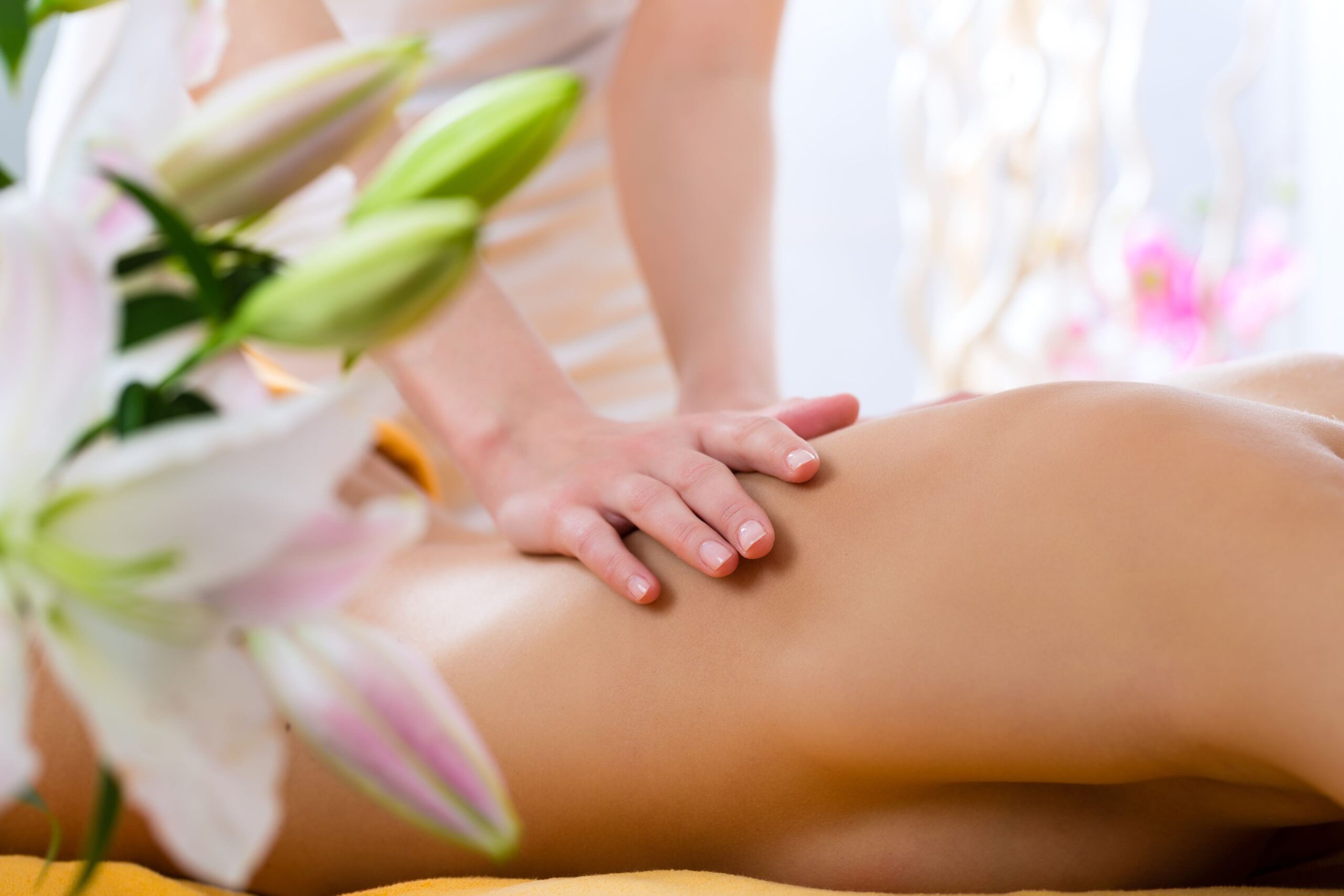
Essential oils for lymphatic drainage can be incorporated into massage and self-care routines designed to support relaxation, comfortable movement, and overall circulation. Lemon, orange, grapefruit, ginger, peppermint, and rosemary are popular choices for invigorating massage blends because of their fresh aromas and traditional use in body-care and circulation-focused aromatherapy.*
The lymphatic system plays an important role in fluid balance and immune function. Unlike the cardiovascular system, it does not have a central pump like the heart. Instead, lymph movement is supported by muscle contractions, breathing, movement, and pressure changes throughout the body.
Exercise is particularly important. The National Cancer Institute describes exercise as a natural pump for the lymphatic system because muscle contractions can improve the movement of lymph fluid. Manual lymphatic drainage and compression are also established components of lymphedema management when medically appropriate.
Essential oils themselves have not been proven to treat lymphedema or directly “detox” the lymphatic system. Their most appropriate role is as complementary aromatherapy ingredients used during massage, movement, relaxation, and body-care rituals.*
What Does the Lymphatic System Do?
The lymphatic system is a network of vessels, lymph nodes, tissues, and organs that helps maintain fluid balance and supports immune function.
Lymphatic vessels collect excess fluid from tissues and return it to circulation. Lymph nodes also play an important role in filtering lymph and supporting immune responses.
When lymphatic flow is disrupted, fluid can accumulate in tissues. True lymphedema is a medical condition and should not be treated solely with essential oils or ordinary massage.
According to the National Cancer Institute and Mayo Clinic, established approaches to managing lymphedema can include exercise, manual lymphatic drainage, compression garments or bandaging, skin care, and other specialized treatments.
6 Essential Oils for Lymphatic Drainage Massage
These six essential oils can be incorporated into a properly diluted massage oil as part of a lymphatic-support self-care routine.*
1. Lemon Essential Oil
Lemon Essential Oil has a bright, clean citrus aroma that makes it a popular addition to invigorating massage and body-care blends.*
Its fresh fragrance pairs especially well with rosemary, ginger, and grapefruit.
When using expressed citrus essential oils topically, review phototoxicity precautions and avoid excessive UV exposure when applicable.
2. Grapefruit Essential Oil
Grapefruit Essential Oil has a fresh, uplifting citrus aroma frequently incorporated into massage oils and body-care preparations.*
Grapefruit is particularly popular in massage blends created for areas that feel puffy, heavy, or tired.
3. Orange Essential Oil
Orange Essential Oil brings a sweet, uplifting citrus aroma to lymphatic massage blends.
Its pleasant fragrance makes it an excellent choice for people who want their massage ritual to feel both refreshing and relaxing.*
4. Ginger Root Essential Oil
Ginger Root Essential Oil provides a warm, spicy aromatic experience that complements circulation-focused massage.*
Ginger blends beautifully with lemon, grapefruit, rosemary, and orange.
5. Peppermint Essential Oil
Peppermint Essential Oil creates a distinctive cooling sensation when properly diluted and applied topically.
Its invigorating aroma makes peppermint particularly appealing in massage preparations for tired legs, feet, and muscles.*
Because peppermint is a potent essential oil, use appropriate dilution and review individual safety precautions before topical use.
6. Rosemary Essential Oil
Rosemary Essential Oil has a stimulating herbal aroma traditionally associated with massage, movement, and revitalizing body-care routines.*
Rosemary pairs particularly well with citrus essential oils, peppermint, and ginger, making it one of the most versatile oils for a lymphatic massage blend.
Essential Oils and Lymphatic Massage
Massage is one of the most enjoyable ways to incorporate these essential oils into a lymphatic-support routine.
However, manual lymphatic drainage (MLD) is different from ordinary deep-tissue massage.
MLD uses specialized, gentle techniques designed to encourage the movement of lymph fluid. Mayo Clinic describes it as a massage-like technique using very light pressure to move trapped fluid toward areas with functioning lymphatic vessels.
If you have diagnosed lymphedema, significant unexplained swelling, a history of lymph-node removal, cancer treatment, or another condition affecting lymphatic function, consider learning the appropriate technique from a certified lymphedema therapist.
Flow Lymph Support Massage Blend
Flow Lymph Support Massage Blend makes it easy to incorporate aromatherapy into a regular massage and body-care ritual without having to formulate your own essential oil combination.*
Use Flow during gentle massage to create a more intentional self-care routine for areas that feel tired, heavy, or in need of soothing touch.
The combination of massage, aromatic sensory input, and a few quiet minutes devoted to your body can also turn lymphatic self-care into a relaxing nervous system restoration ritual.*
Citrus Kissable Massage Oil
Citrus Kissable Massage Oil is another excellent option when you prefer a bright, energizing aromatic experience.
Massage oils provide the glide necessary for gentle body massage while helping prevent the friction that can occur when massaging dry skin.
Citrus aromas also create a fresh sensory experience that works particularly well for morning massage or body-care rituals.*
Relaxing Kissable Massage Oil
Relaxing Kissable Massage Oil offers a different approach when your lymphatic massage is part of an evening relaxation or nervous system restoration routine.*
Rather than emphasizing an invigorating sensory experience, this option is ideal when you want massage to encourage slowing down, releasing physical tension, and reconnecting with your body.
DIY Essential Oil Lymphatic Massage Oil
You can also create a simple massage oil using several of the six essential oils featured above.
Ingredients
- 3 drops Grapefruit Essential Oil
- 3 drops Lemon Essential Oil
- 2 drops Ginger Root Essential Oil
- 2 drops Rosemary Essential Oil
- 1 ounce (30 mL) Carrier Oil
Combine in a clean glass bottle and gently shake.
Use a small amount during light body massage. Avoid aggressive pressure over swollen or painful areas.*
If you have diagnosed lymphedema, follow the massage technique recommended by your healthcare provider or certified lymphedema therapist rather than performing ordinary massage over the affected area.
Movement: Your Body’s Natural Lymphatic Pump
Essential oils can enhance the sensory experience of a massage ritual, but movement is much more important to lymphatic function.
Muscle contractions help propel lymph fluid through lymphatic vessels. The National Cancer Institute describes exercise as a natural pump for the lymph system, while Mayo Clinic notes that gentle muscle contractions can help move excess fluid from swollen limbs in people with lymphedema.
Simple movement can include:
- Walking
- Gentle stretching
- Appropriate resistance exercise
- Ankle and foot movements
- Shoulder and arm movements
- Deep diaphragmatic breathing
- Exercises recommended by a physical therapist or lymphedema specialist
Exercise recommendations should be individualized if you have diagnosed lymphedema or another medical condition.
Fascia, Movement and Lymphatic Self-Care
Lymphatic vessels travel through connective tissues throughout the body. Movement, muscle contractions, breathing, and changes in tissue pressure all contribute to fluid dynamics within these tissues.
A self-care routine combining gentle movement, massage, comfortable stretching, hydration, and relaxation may help you feel less physically stagnant while supporting overall mobility.*
This is also where fascia-focused self-care and lymphatic self-care naturally overlap: both benefit from regular movement rather than prolonged immobility.
Essential oils can make these practices more enjoyable by adding a consistent sensory cue to your movement or massage ritual.*
Nervous System Restoration and Lymphatic Self-Care
Lymphatic self-care doesn’t need to become another task on your wellness checklist.
Massage can also be an opportunity to slow down.
Apply your massage oil with gentle, intentional touch. Breathe slowly. Relax your shoulders and jaw. Move comfortably. Pay attention to how your body feels rather than trying to force fluid or aggressively manipulate tissues.
Research on aromatherapy massage suggests that it may provide short-term relaxation benefits, although evidence for treating specific medical conditions is limited.
A simple five- or ten-minute ritual can therefore serve two purposes: body-focused self-care and nervous system restoration.*
Other Ways to Support Healthy Lymphatic Function
Essential oils are only one small part of a lymphatic wellness routine.
Regular movement is particularly important because muscle contractions help move lymph fluid. Staying hydrated, maintaining healthy skin, and following appropriate medical guidance are also important.
For people with diagnosed lymphedema, treatment may include compression garments, manual lymphatic drainage, exercise, skin care, and other therapies under professional guidance.
When Swelling Needs Medical Attention
Persistent swelling should not automatically be attributed to a “sluggish lymphatic system.”
Swelling can have many causes, including venous problems, medication effects, injury, infection, heart or kidney conditions, blood clots, and lymphedema.
Seek medical evaluation for new, unexplained, persistent, painful, or one-sided swelling.
Prompt medical attention is particularly important for sudden swelling accompanied by redness, warmth, significant pain, fever, chest pain, or shortness of breath.
Frequently Asked Questions About Essential Oils for Lymphatic Drainage
What are the best essential oils for lymphatic drainage massage?
Lemon, grapefruit, orange, ginger, peppermint, and rosemary are popular choices for invigorating massage and body-care blends.* However, essential oils themselves have not been established as treatments for impaired lymphatic drainage or lymphedema.
Can essential oils drain lymph nodes?
There isn’t good clinical evidence that applying essential oils directly over lymph nodes causes them to drain. Essential oils are better viewed as complementary ingredients in a massage and wellness routine rather than substances that mechanically move lymph fluid.
Does lymphatic massage really work?
Manual lymphatic drainage is an established component of complete decongestive therapy for certain people with lymphedema. Evidence varies depending on the condition and treatment protocol, and it is usually combined with other interventions such as compression, exercise, and skin care.
What naturally stimulates lymphatic flow?
Physical movement and muscle contractions play an important role in lymph movement. Exercise, walking, breathing, and medically appropriate manual lymphatic drainage can support lymphatic function.
Where should I massage for lymphatic drainage?
True manual lymphatic drainage follows specific pathways and uses very light pressure. If you have lymphedema or significant swelling, a certified lymphedema therapist can teach you the correct technique for your individual condition.
Can I massage swollen lymph nodes with essential oils?
Unexplained enlarged or painful lymph nodes should be medically evaluated rather than repeatedly massaged. Essential oils should not be used as a substitute for determining why lymph nodes are swollen.
Essential Oil Safety
- Dilute essential oils appropriately before applying them to the skin.
- Avoid applying essential oils to broken, irritated, infected, or damaged skin.
- Stop use if redness, burning, itching, or irritation occurs.
- Review precautions for individual essential oils during pregnancy, breastfeeding, childhood, or when managing medical conditions.
- Some citrus essential oils may be phototoxic depending on the oil and method of extraction.
- Do not ingest essential oils.
- Keep essential oils away from eyes and mucous membranes.
- Do not perform lymphatic massage over an area with an active infection or suspected blood clot.
Mayo Clinic advises that manual lymphatic drainage should be avoided in certain circumstances, including skin infection, blood clots, and active cancer in the affected limb.
See our Safety Information page for additional guidance.
References
National Cancer Institute. Lymphedema and Cancer. National Institutes of Health. Updated 2024.
National Cancer Institute. Lymphedema (PDQ®)–Health Professional Version. National Institutes of Health.
Mayo Clinic. Lymphedema: Diagnosis and Treatment.
Mayo Clinic. Lymphedema: Diagnosis and Treatment. Physical Medicine and Rehabilitation.
Lin Y, Yang Y, Zhang X, et al. Manual lymphatic drainage for breast cancer-related lymphedema: a systematic review and meta-analysis of randomized controlled trials. Clinical Breast Cancer. 2022;22(5):e664-e673.
Hayes SC, Singh B, Reul-Hirche H, et al. The effect of exercise for the prevention and treatment of cancer-related lymphedema: a systematic review with meta-analysis. Medicine & Science in Sports & Exercise. 2022;54(8):1389-1399.
Müller M, Klingberg K, Wertli MM, Carreira H. Manual lymphatic drainage and quality of life in patients with lymphoedema and mixed oedema: a systematic review of randomised controlled trials. Quality of Life Research. 2018;27:1403-1414.
Disclaimer
These statements have not been evaluated by the Food and Drug Administration. BioSource Naturals essential oils and aromatherapy products are intended for aromatherapy, cosmetic, massage, and complementary wellness purposes. They are not intended to diagnose, treat, cure, or prevent lymphedema or any other disease.