
Essential Oils for Anxiety – Stress & Nervous System Support
Anxiety isn’t only something you experience in your thoughts. Stress can also show up in the body as muscle tension, restlessness, difficulty relaxing, changes in breathing, trouble sleeping, fatigue, or the persistent feeling that you need to stay alert. That’s why a whole-person approach to anxiety often includes more than simply trying to “think positively” or stop worrying. Essential oils for anxiety and stress can be incorporated into calming sensory rituals that support relaxation, grounding and nervous system regulation. Aromatherapy doesn’t eliminate the source of stress or replace appropriate medical or mental health care, but scent can become a powerful cue to slow down, breathe, reconnect with your body and create moments of restoration.
Research supports aromatherapy as a promising complementary approach for anxiety. Systematic reviews and meta-analyses have reported reductions in anxiety measures with aromatherapy, although study methods, populations and essential oils vary and additional high-quality research is needed.¹⁻⁵
Anxiety, Stress and the Nervous System
Your nervous system is constantly gathering information about what’s happening around and within you.
When something feels threatening or overwhelming, the body can mobilize its stress response. Heart rate may increase, muscles may tighten, breathing can become faster or shallower, and attention may become focused on potential problems.
That’s useful when you genuinely need to respond to danger.
But modern stress isn’t always resolved quickly. Work pressure, caregiving, relationship difficulties, financial concerns, poor sleep, overstimulation and ongoing uncertainty can leave people feeling as though their bodies never completely switch off.
This is where nervous system regulation and restoration practices become valuable.
The goal isn’t to force yourself to be calm.
Instead, you create repeated experiences that encourage your body to move from activation toward greater ease and restoration.
These practices can include:
- slow, comfortable breathing
- grounding exercises
- meditation or prayer
- gentle movement
- adequate sleep and rest
- time in nature
- massage
- journaling
- EFT tapping
- calming aromatherapy rituals
Aromatherapy fits particularly well into this approach because scent is closely connected with brain regions involved in emotion and memory.
Over time, a familiar calming aroma can also become part of a repeated ritual: this is when I stop, breathe and come back to myself.
Calm & Restore: Essential Oils for Anxiety | Aromatherapy for Nervous System Regulation and Restoration
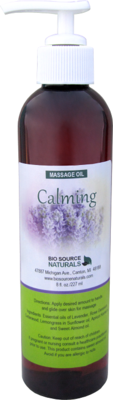
For people who feel chronically stressed, emotionally overloaded or simply have difficulty transitioning from activity into rest, the BioSource Naturals Calm & Restore Set provides an easy way to create a consistent nervous system support ritual.
Rather than reaching for aromatherapy only when you’re already overwhelmed, consider making Calm & Restore part of your everyday routine.
Use it when you:
- begin your morning with meditation or quiet reflection
- need a grounding break during a stressful day
- transition from work or caregiving into personal time
- practice EFT tapping
- journal about difficult emotions
- feel overstimulated
- practice slow breathing or meditation
- prepare for sleep
The goal isn’t to suppress uncomfortable emotions. Calm & Restore can become a sensory reminder that it’s time to slow down, notice what you’re feeling and give your body an opportunity to settle and restore.
A Simple Calm & Restore Ritual
Take a few minutes when you won’t be interrupted.
Use your Calm & Restore aromatherapy product as directed. Notice the aroma.
Then notice your body.
Are your shoulders raised? Is your jaw tight? Are you holding your breath? Are your hands clenched?
Allow your breathing to become comfortable and slightly slower. Feel the support of the chair beneath you or your feet against the floor.
As you exhale, intentionally soften your shoulders, jaw, hands and abdomen.
Then ask yourself:
What does my body need right now?
It may be rest. Movement. Food. Quiet. A boundary. Reassurance. Sleep. Connection. Or simply five minutes without having to accomplish anything.
This is nervous system restoration as a practice—not a demand that you instantly become calm.
What Does Research Say About Aromatherapy and Essential Oils for Anxiety?
Aromatherapy research is still developing, but several systematic reviews and meta-analyses have reported encouraging results.
A 2020 meta-analysis of randomized controlled trials found that inhalation and massage aromatherapy were associated with reductions in anxiety scores across different clinical circumstances.¹
Lavender has received particularly significant research attention.
A large systematic review and meta-analysis examining 65 randomized controlled trials and 25 non-randomized studies found evidence suggesting lavender may have beneficial effects on anxiety. However, the researchers also emphasized limitations including heterogeneity among studies and the generally low methodological quality of much of the available research.²
Another systematic review and meta-analysis of randomized controlled trials found favorable effects of lavender aromatherapy on anxiety as well as some physiological measurements associated with stress.³
A later systematic review and meta-analysis similarly reported reductions in anxiety associated with lavender aromatherapy while noting that findings for physiological measures were less consistent.⁴
These findings don’t mean that essential oils “treat” the nervous system or cure anxiety disorders. Instead, they provide support for using aromatherapy as a complementary relaxation and emotional-wellness practice.
Best Essential Oils for Anxiety – Stress and Relaxation
You don’t need dozens of essential oils to begin creating a calming aromatherapy routine.
Several essential oils traditionally associated with relaxation work particularly well in nervous system support rituals.
Lavender Essential Oil
Lavender is one of the most extensively studied essential oils for anxiety and relaxation.
Multiple systematic reviews and meta-analyses have reported favorable findings for lavender aromatherapy and anxiety, although researchers continue to call for higher-quality standardized clinical trials.²⁻⁴
Its soft floral-herbal aroma makes lavender an excellent choice for bedtime routines, meditation, massage and moments when you want to transition from activity toward rest.
Bergamot Essential Oil
Bergamot offers a fresh citrus aroma that works beautifully in calming yet uplifting aromatherapy blends.
It can be especially appealing during daytime stress when you want to create a sense of ease without an aroma that feels overly heavy.
Chamomile Essential Oil
Roman Chamomile has a gentle herbaceous aroma traditionally associated with relaxation and rest.
Consider chamomile as part of an evening ritual when you’re trying to create separation between the demands of the day and bedtime.
Frankincense Essential Oil
Frankincense has a deep, resinous aroma often associated with meditation, prayer and contemplation.
Its scent makes it particularly well suited to grounding practices in which you intentionally slow down and bring your attention back to the present moment.
Rose Geranium Essential Oil
Rose Geranium provides a rich floral aroma traditionally used in aromatherapy for relaxation and emotional balance.
Jasmine Absolute
Jasmine Absolute has an intense floral aroma that can be incorporated into comforting or uplifting aromatherapy rituals.
Sweet Orange Essential Oil
Sweet Orange provides a bright citrus aroma and combines particularly well with lavender, cedarwood, patchouli and frankincense.
Vetiver Essential Oil
Vetiver has a deep, earthy aroma that makes it especially appropriate for grounding and evening relaxation rituals.
Essential Oil Blends for Stress, Grounding and Emotional Support
Sometimes a carefully formulated blend is easier than deciding which individual essential oils to combine.
The following BioSource Naturals blends are the most closely related to anxiety, stress, relaxation, sleep and emotional regulation.
SAS! Stress-Anxiety Support Essential Oil Blend
SAS! Stress-Anxiety Support Essential Oil Blend combines Lavender, Himalayan Cedarwood, Vanilla Oleoresin and Lime essential oils.
SAS! is an excellent companion for a midday reset, grounding practice, meditation, journaling or EFT tapping.
Its combination of lavender and cedarwood with vanilla and bright citrus creates a comforting aromatherapy experience when life feels stressful or overwhelming.
Peace Essential Oil Blend
When you’re emotionally activated, frustrated or overstimulated, sometimes the first step isn’t analyzing the situation—it’s helping yourself settle enough to respond thoughtfully.
Peace Essential Oil Blend combines Ylang Ylang, Cedarwood, Patchouli and Orange.
The combination of earthy, woody, floral and citrus aromas makes Peace particularly appropriate for grounding rituals.
Try using Peace while slowly relaxing your jaw, shoulders, hands and abdomen and bringing your attention back to what is happening right now rather than what might happen next.
Sweet Dreams Essential Oil Blend
Sleep is one of the body’s most important opportunities for restoration.
Unfortunately, stress can create a difficult cycle: you need sleep to recover from stress, but feeling stressed can make it harder to transition into restful sleep.
Sweet Dreams Essential Oil Blend combines Blue Chamomile, Rose, Jasmine Absolute, Lavender and Nutmeg.
Rather than waiting until you’re in bed and unable to sleep, incorporate Sweet Dreams into a consistent wind-down routine.
Dim the lights. Reduce stimulation. Put away electronics. Use your aromatherapy product as directed and allow your body time to recognize that the active portion of the day is ending.
Protection Essential Oil Blend
Some stress comes from our environment—difficult relationships, demanding workplaces, caregiving, conflict or simply feeling affected by everyone else’s emotions.
Protection Essential Oil Blend contains Black Pine, Holy Basil/Tulsi, Vetiver and Rose Geranium.
Use Protection as part of a personal boundary ritual—a reminder that you can care about other people without carrying every emotion, problem or demand around you.
Cool & Calm Essential Oil Blend
Perimenopause and menopause can coincide with changes in sleep, temperature regulation, mood and emotional well-being.
Cool & Calm Essential Oil Blend was created as an aromatherapy companion for women navigating this transition.
It can be incorporated into a broader relaxation and self-care routine when hormonal changes leave you feeling uncomfortable, restless or emotionally unsettled.
Learn more in our guide to essential oils for menopause.
Feminine Balance Essential Oil Blend
Feminine Balance Essential Oil Blend combines Clary Sage, Lavender, Sweet Marjoram and Red Thyme.
Its herbaceous-floral aroma can be incorporated into relaxation and emotional self-care rituals throughout the natural hormonal cycle.
Essential Oils, EFT Tapping and Nervous System Regulation
Essential oils don’t have to be used alone.
Combining aromatherapy with another calming practice can help transform “using an essential oil” into an intentional body-mind ritual.
One option is Emotional Freedom Techniques (EFT) tapping.
Before beginning your tapping session, inhale your chosen aromatherapy blend as directed. Notice the scent and then notice what you’re experiencing physically and emotionally.
You can return to the aroma periodically throughout your tapping practice.
Download our FREE EFT Tapping Scripts for Anxiety & Stress.
How to Use Essential Oils for Anxiety and Stress
There is no single “correct” way to create a calming aromatherapy practice.
The most useful ritual is usually one simple enough that you’ll actually repeat it.
Morning Grounding
Begin the day before checking email or social media. Use Calm & Restore, SAS!, Peace or another preferred aroma while taking several slow breaths and deciding how you want to approach the day.
Midday Nervous System Reset
Stress accumulates.
Instead of waiting until you’re completely overwhelmed, take a short break. Step away from your screen, notice your aromatherapy blend, relax your shoulders and allow your attention to return to your body.
Even a few intentional minutes can interrupt the feeling that you must remain “on” continuously.
After-Work Transition
Many people physically leave work but mentally bring it home.
Create a transition ritual.
Change clothes, wash your face, use Calm & Restore or Peace, take a short walk, stretch or spend several minutes sitting quietly.
The ritual creates a boundary between doing and restoring.
Evening Restoration
Lower the lights and reduce stimulation.
Use Calm & Restore or Sweet Dreams while journaling, stretching, meditating, praying, tapping or simply resting.
Repeated evening rituals can help establish a predictable transition from activity toward sleep.
Essential Oils for Anxiety: Frequently Asked Questions
What are the best essential oils for anxiety?
Lavender is one of the most extensively researched essential oils for anxiety and relaxation. Systematic reviews and meta-analyses have reported encouraging results for lavender aromatherapy, although the quality and methodology of individual studies vary.²⁻⁴
Other popular aromatherapy choices for relaxation include bergamot, chamomile, frankincense, jasmine, rose geranium, sweet orange and vetiver.
The “best” aroma is also personal. A scent that you genuinely find comforting may be more useful in your relaxation ritual than an oil you dislike simply because it appears on a list.
Can essential oils regulate the nervous system?
Essential oils should not be described as medical treatments for nervous system dysregulation.
However, research suggests that aromatherapy may influence psychological and some physiological responses associated with stress and anxiety. Studies have examined anxiety scores as well as measures such as heart rate, blood pressure and cortisol, although results vary.³⁻⁵
A more accurate way to think about aromatherapy is as one sensory tool that can be incorporated into a broader nervous system regulation and restoration practice.
Can essential oils cure anxiety?
No. Essential oils should not be promoted as cures for anxiety or anxiety disorders.
Aromatherapy may complement practices that support relaxation and emotional well-being, but persistent or severe anxiety deserves appropriate professional evaluation and care.
How often can I use aromatherapy for stress?
Follow the directions for the individual product.
From a behavioral perspective, you may find it useful to associate a particular aroma with a recurring calming activity—such as meditation, EFT tapping, journaling, your after-work transition or bedtime routine.
Consistency helps turn aromatherapy into a ritual rather than something you remember only when you’re already overwhelmed.
Can I apply essential oils directly to my skin?
Not every pure essential oil should be applied undiluted to the skin.
Follow the directions and dilution recommendations for the specific essential oil or finished product you’re using. Properly formulated roll-ons, massage oils and other topical products offer convenient alternatives when you prefer topical aromatherapy.
From Anxiety and Stress Toward Restoration
Nervous system regulation isn’t about remaining calm every minute of every day.
A healthy nervous system responds to life.
It activates when something requires your attention and, when the challenge has passed, has opportunities to move toward rest and restoration.
That’s why small rituals matter.
A familiar aroma.
A slower breath.
Relaxing your shoulders.
Feeling your feet against the ground.
Taking five quiet minutes.
Setting a boundary.
Going to bed instead of doing one more thing.
The BioSource Naturals Calm & Restore Set is designed to help make these restorative moments part of everyday life.
Combine Calm & Restore with breathing, EFT tapping, journaling, meditation, gentle movement or quiet reflection to create a nervous system support ritual that works for you.
You don’t have to wait until you’re completely overwhelmed to restore yourself.
Make calm and restoration part of the routine.
Essential Oil Safety
Essential oils are highly concentrated botanical products. Follow individual product directions and appropriate dilution recommendations. Avoid contact with the eyes and mucous membranes and keep essential oils safely stored away from children and pets.
Pregnant or breastfeeding individuals and people with medical conditions or taking medications should seek appropriate professional guidance when needed before using essential oils.
Aromatherapy is a complementary wellness practice and is not a substitute for medical or mental health care. Seek professional care for severe, persistent or worsening anxiety or other concerning symptoms.
Disclaimer
*These statements have not been evaluated by the U.S. Food and Drug Administration. These products are not intended to diagnose, treat, cure or prevent any disease.
Learn More About Nervous System Regulation
Looking for a more complete mind-body approach? Explore our guide to How to Regulate Your Nervous System Naturally, including aromatherapy, EFT tapping, grounding, breathwork, emotional awareness, and gentle daily practices for nervous system support.*
Learn More About Emotional Healing
Looking for a broader approach to emotional wellness? Explore our guide to Emotional Healing with Essential Oils, including aromatherapy, EFT tapping, emotional awareness, nervous system support, healthier boundaries, self-trust, and compassionate practices for personal growth.*
References
- Gong M, Dong H, Tang Y, Huang W, Lu F. Effects of aromatherapy on anxiety: A meta-analysis of randomized controlled trials. Journal of Affective Disorders. 2020;274:1028–1040. doi:10.1016/j.jad.2020.05.118.
- Donelli D, Antonelli M, Bellinazzi C, Gensini GF, Firenzuoli F. Effects of lavender on anxiety: A systematic review and meta-analysis. Phytomedicine. 2019;65:153099. doi:10.1016/j.phymed.2019.153099.
- Kang HJ, Nam ES, Lee Y, Kim M. How strong is the evidence for the anxiolytic efficacy of lavender? Systematic review and meta-analysis of randomized controlled trials. Asian Nursing Research. 2019;13(5):295–305. doi:10.1016/j.anr.2019.11.003.
- Kim M, Nam ES, Lee Y, Kang HJ. Effects of lavender on anxiety, depression, and physiological parameters: Systematic review and meta-analysis. Asian Nursing Research. 2021;15(5):279–290. doi:10.1016/j.anr.2021.11.001.
- Lee YL, Wu Y, Tsang HWH, Leung AY, Cheung WM. A systematic review on the anxiolytic effects of aromatherapy in people with anxiety symptoms. Journal of Alternative and Complementary Medicine. 2011;17(2):101–108. doi:10.1089/acm.2009.0277.