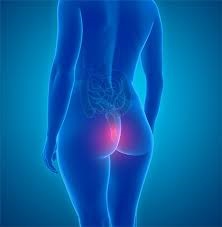
Hemorrhoids are a common condition that affects millions of people each year. They are caused by swelling in the veins around your anus, and they can be quite painful. Hemorrhoids can be caused by straining when you have a bowel movement, pregnancy, aging, chronic constipation or diarrhea, or sitting for prolonged periods of time (such as during air travel).*
There are many ways to treat hemorrhoids, including using essential oils. Essential oils have been used for centuries to help with issues such as hemorrhoids, due to the fact that they have antiseptic and anti-inflammatory properties.*
Some studies have also shown that essential oils can help to strengthen the muscle tissue around your anus, which will reduce pressure on the blood vessels in this area.* This means that you may find that you’re able to go longer between episodes of bleeding or discomfort when you use essential oils for hemorrhoids regularly!* The best essential oils for hemorrhoids can help you to reduce the swelling and pain that comes with this condition.*
Note: Essential oils are a topical remedy for external hemorrhoids, only.* Don’t ever try to treat an internal hemorrhoid by placing an essential oil inside of you. Please see a doctor for your internal hemorrhoids.
Essential oils for hemorrhoids don’t contain any chemicals that could cause potential side effects or interact with your medications.* They also help to speed up the healing process, and soothe the skin around your anus.*
Benefits of Using Essential Oils for Hemorrhoids
Using essential oils for hemorrhoids are effective and easy to use – most of these oils can be applied directly to the affected area using a cotton ball or swab. You don’t have to wait hours between applying and washing off the oil (like with some creams), which means that symptoms like itching can be relieved more quickly than with other products on the market today!* If you want something that works fast without any added ingredients or preservatives (some people prefer this option for their own health reasons), then using essential oils are perfect for dealing with hemorrhoids.*
Some of the best essential oils for hemorrhoid’s include tea tree, lavender, ylang ylang, geranium, bergamot, peppermint and chamomile.
Tea Tree Essential Oil
Tea tree essential oil is one of the best essential oils to use when treating external hemorrhoids because it is anti-inflammatory and antiseptic, which helps soothe inflamed tissue. It is also antibacterial, which will help prevent infection. Tea tree oil alone is too strong to apply directly on to your skin, especially the sensitive inflamed skin around a hemorrhoid. You can make a tea tree oil ointment using one or two other essential oils from this list and diluting it well with jojoba oil or coconut oil. Apply in moderation to the affected area.*
Tea tree essential oil is anti-inflammatory, antiseptic and antiviral, making it a great choice for hemorrhoids. It also works as an astringent and germicide to help reduce swelling, redness and pain associated with hemorrhoids.*
Lavender Essential Oil
Lavender essential oil has soothing properties that help relieve pain and relax tense muscles in the area around your anus or anal canal where hemorrhoids may develop.* You can apply lavender essential oil directly onto the affected area using a cotton ball or pad, or mix it with a carrier oil or witch hazel for external application.
Lavender essential oil has been shown to have anti-bacterial and anti-inflammatory properties that make it effective at relieving pain caused by hemorrhoids.*In addition, the fragrance helps relieve stress which can contribute to the pain associated with hemorrhoids.*
Our lavender essential oil is available in a pre-diluted 0.3 fl oz (9 ml) rollon and is safe for direct skin contact. This pre-diluted rollon can be applied to the hemorrhoid area with a cotton ball.
Peppermint Essential Oil
Peppermint essential oil has been shown to relieve pain by relaxing muscles in the area where the pain is coming from (in this case it would be your rectal area).* Peppermint essential oil is also an antispasmodic which means it will help reduce spasms within your rectum walls which can lead to bleeding during bowel movements or when you sit down.*
Peppermint essential oil is also known for its cooling effect so it can help relieve some discomfort associated with sitting for long periods of time like at work or school!* Add a few drops of peppermint oil to a carrier oil like coconut or jojoba oil, then apply the mixture directly to the affected area. You can also add a few drops directly to a bathtub full of hot water for even better results!
Ylang Ylang Essential Oil
Ylang Ylang essential oil has been shown to have analgesic properties which can help reduce the discomfort caused by hemorrhoids when applied topically.* It can also help to reduce the itching and swelling of hemorrhoids.* Ylang ylang can help to improve blood flow and reduce swelling, which are both common symptoms of hemorrhoids. In addition to these benefits, ylang ylang essential oil has a sweet floral smell that can be soothing for many people who experience hemorrhoids.*
Ylang Ylang essential oil can be applied directly to the affected area with a cotton ball, or it can be diluted in a carrier oil like jojoba or sweet almond oil and then applied topically. It is important to note that you should never put undiluted ylang ylang on your skin without first testing it on a small patch of skin to make sure you don’t have any adverse reactions.*
Our ylang ylang essential oil is available in a pre-diluted 0.3 fl oz (9 ml) rollon and is safe for direct skin contact. This pre-diluted rollon can be applied to the hemorrhoid area with a cotton ball.
Geranium Essential Oil
Geranium essential oil contains geraniol which has anti-inflammatory properties making it another good choice for treating hemorrhoids as well as many other skin conditions such as psoriasis and eczema.* The best way to use geranium essential oil for hemorrhoids is by applying it directly on the affected area with a carrier oil or lotion. This method will help reduce pain and swelling from external hemorrhoids while also promoting healing from internal ones.*
Bergamot Essential Oil
Bergamot essential oil has been shown to have analgesic properties that may help reduce discomfort associated with hemorrhoids when applied topically.* Bergamot essential oil is rich in vitamin C which has been shown to be effective at reducing pain associated with hemorrhoids by inhibiting the production of prostaglandins (prostaglandins are chemicals that cause swelling).* Bergamot essential oil can also help speed up healing of damaged tissues, so it may help your body heal faster from the effects of hemorrhoids.* Some people have reported that bergamot essential oil has helped them get rid of their hemorrhoids completely within a few weeks.
Always dilute bergamot essential oil with a carrier oil before applying it directly to your skin as it can irritate or burn the skin if used undiluted. A good ratio is about 1 drop bergamot essential oil per 1 teaspoon carrier oil. If you plan on using more than one type of essential oil, make sure they’re both diluted with the same carrier oil before applying them to your skin. You can also add a few drops of bergamot essential oil to your bath water and soak in it for an hour each day.
Chamomile Essential Oil
Chamomile essential oil is a great way to treat hemorrhoids because it has soothing and healing properties.* It can help to reduce the inflammation and pain associated with hemorrhoids and also soothe any itching that they may cause.* Chamomile essential oil can be used in a variety of ways including adding it to your bath or even mixing it with coconut oil to create a topical cream that can be applied directly to the affected area.
Chamomile essential oil should be used in the evening or at night so you can rest easy knowing that your hemorrhoids are being treated.* If you want to use chamomile essential oil in your bath water, add 20 drops of chamomile essential oil and 1 cup of Epsom salts to your bath water. To soothe irritated skin from hemorrhoid bleeding and irritation, apply 1 drop each of chamomile essential oil and vitamin E oil directly to the affected area up to 3 times daily. Combine 2 drops of chamomile with 2 drops of lavender essential and a carrier oil and apply this mixture topically to help reduce inflammation in the area.