
Essential Oils for Joint Discomfort | Aromatherapy for Comfort & Body Care
Essential oils for joint discomfort can be incorporated into massage, aromatherapy, and body-care rituals when joints and surrounding muscles feel tired, stiff, or overworked. Plant oils such as eucalyptus, peppermint, German chamomile, frankincense, helichrysum, and wintergreen have long histories of traditional use, and several of their naturally occurring constituents have also attracted scientific interest.
For topical use, essential oils for joint discomfort should generally be appropriately diluted with carrier oils. Massage itself can provide a comforting sensory experience, while warming, cooling, herbal, and grounding aromas can make a daily body-care ritual especially appealing after exercise, physical work, or a long day.
It is important to distinguish traditional use and ingredient research from proven therapeutic effects. Much of the research on essential oils involves laboratory, animal, ingredient-specific, or small clinical studies and should not be interpreted as evidence that an essential oil product treats arthritis, inflammation, injury, or another medical condition.
Essential Oils for Joint Discomfort Commonly Used in Body-Care Rituals
Eucalyptus Essential Oil
Eucalyptus Essential Oil has a fresh, penetrating aroma and contains high levels of the aromatic constituent 1,8-cineole (eucalyptol).
Eucalyptus is frequently included in massage and body-care formulations because its crisp aroma creates a refreshing sensory experience. Interestingly, a randomized clinical study involving patients following total knee replacement found that eucalyptus oil inhalation was associated with lower reported pain scores compared with almond-oil inhalation. The study did not demonstrate significant differences in CRP or white blood cell levels, and its results should not be interpreted as evidence that topical eucalyptus oil treats joint disease.
Research-associated properties of eucalyptus and its constituents include:
- Rich source of 1,8-cineole
- Studied for inflammatory pathways
- Fresh, invigorating aromatic profile
- Investigated in clinical aromatherapy research
- Popular in massage and post-activity aromatherapy routines
Peppermint Essential Oil
Peppermint Essential Oil is one of the most recognizable oils used in topical body-care products. Its high menthol content produces the characteristic cooling sensation associated with peppermint.
That cooling sensation makes peppermint especially popular in massage oils, balms, roll-ons, and post-workout body-care products.
Known characteristics and researched properties of peppermint include:
- Naturally rich in menthol
- Produces a noticeable cooling sensation on the skin
- Refreshing and stimulating aroma
- Frequently incorporated into topical massage preparations
- Menthol has been extensively studied for its interaction with temperature-sensitive sensory receptors
Peppermint’s sensory effect can make it particularly appealing when an area feels tired or overworked.
German Blue Chamomile Essential Oil
German Blue Chamomile Essential Oil is distinguished by its deep blue color, which develops during distillation as chamazulene is formed.
German chamomile also contains compounds including α-bisabolol and bisabolol derivatives. Chamazulene, bisabolol, apigenin-related compounds, and other chamomile constituents have been investigated for antioxidant and inflammatory-pathway activity.
Research-associated characteristics include:
- Source of chamazulene
- Contains α-bisabolol and related compounds
- Constituents have demonstrated antioxidant activity in experimental research
- Chamomile compounds have been studied for their effects on inflammatory pathways
- Soft herbal aroma complements massage and relaxation blends
For body care, German chamomile brings both a distinctive aromatic profile and a long history of botanical use.
Mobility Ease Essential Oil Blend
Aromatic Body Care for Tired, Overworked Areas
(formerly Arthritis Comfort Essential Oil Blend)
Mobility Ease Essential Oil Blend is a concentrated aromatherapy blend created for massage and body-care rituals when you want a warming, grounding, restorative aromatic experience.
The formula combines Bay Leaf, Tea Tree, Lemon, Cedarwood, Frankincense, and Myrrh essential oils. Each contributes its own aromatic character and naturally occurring botanical constituents.
What’s Inside Mobility Ease?
Bay Leaf Essential Oil
Bay Leaf Essential Oil contains compounds that may include 1,8-cineole, α-terpinyl acetate, linalool, α-pinene, and other terpenes, depending on the oil’s botanical source and chemotype.
Experimental research on Laurus nobilis essential oil has investigated antioxidant and inflammatory pathways. Animal research has also reported antinociceptive and anti-inflammatory activity, although these findings do not establish the same effects in humans or in finished aromatherapy products.
Why it works beautifully in a body-care blend: Bay leaf contributes a warm, fresh, spicy-herbal aroma that pairs especially well with massage.
Tea Tree Essential Oil
Tea Tree Essential Oil is particularly rich in terpinen-4-ol and is among the most extensively studied essential oils.
Research has focused heavily on its antimicrobial and skin-related properties, while broader essential-oil research has also examined its biological activity.
In Mobility Ease: Tea tree adds a clean, medicinal-herbal note and complements the sharper and resinous oils in the formula.
Lemon Essential Oil
Lemon Essential Oil is naturally rich in limonene, one of the most abundant terpenes in citrus essential oils.
Known characteristics include:
- High limonene content
- Bright, uplifting citrus aroma
- Antioxidant activity has been investigated in experimental research
- Blends well with woods, resins, herbs, and other citrus oils
In Mobility Ease, lemon brightens the deeper resinous notes of cedarwood, frankincense, and myrrh.
Note: Cold-pressed citrus essential oils can have phototoxicity considerations. Follow product-specific directions regarding sun and UV exposure.
Cedarwood Essential Oil
Cedarwood Essential Oil contributes a rich, woody aroma that gives Mobility Ease depth and warmth.
Cedarwood essential oils contain various sesquiterpenes depending upon botanical species. Experimental research has explored cedarwood and related essential oils for antioxidant, antimicrobial, and inflammatory-pathway activity, although human clinical evidence remains limited.
In aromatherapy: Cedarwood’s grounding aroma makes it especially well suited to massage, relaxation, and evening body-care rituals.
Frankincense Essential Oil
Frankincense Essential Oil has one of the longest histories of traditional aromatic use.
Boswellia species have been extensively studied for biologically active compounds and inflammatory pathways. However, an important distinction is often missed in essential-oil marketing: much of the research on boswellic acids concerns frankincense resin or extracts rather than distilled frankincense essential oil. Claims about Boswellia extracts therefore should not automatically be attributed to frankincense essential oil.
Frankincense essential oil contributes:
- Resinous, grounding aroma
- Naturally occurring terpenes
- Excellent compatibility with massage and meditation rituals
- A rich botanical history spanning thousands of years
Myrrh Essential Oil
Myrrh Essential Oil is another ancient aromatic resin traditionally used in body care and ceremonial practices.
Myrrh contains numerous terpenoid compounds. Scientific reviews have examined Commiphora myrrha and its constituents for antioxidant, antimicrobial, inflammatory-pathway, and other biological activities, although much of this evidence remains preclinical.
Its deep, earthy, resinous aroma pairs naturally with frankincense and cedarwood.
Make Mobility Ease Part of Your Body-Care Ritual
Use Mobility Ease Essential Oil Blend as part of a mindful massage or self-care ritual after exercise, gardening, physical work, or anytime your body is asking for a little extra attention.
Choose the format that works best for you:
- Mobility Ease Concentrate – concentrated aromatherapy blend for customized dilution
- Mobility Ease Roll-On – convenient targeted application
- Mobility Ease Massage Oil – ready for a relaxing massage ritual
- Mobility Ease Spray – easy, mess-free body-care application
Visit Mobility Ease Essential Oil Blend for complete product information plus bonus affirmations, EFT tapping, and journaling tools designed to complement a whole-person self-care ritual.
Frankincense & Myrrh Massage Oil – Grounding Botanical Body Care
For a simpler, deeply aromatic massage ritual, Frankincense & Myrrh Massage Oil combines two of the ancient botanical resins discussed above in a ready-to-use topical formula. Frankincense and myrrh have long histories of traditional use in body care, while modern research has explored compounds found in Boswellia and Commiphora species for their antioxidant and inflammatory-pathway activity.¹˒² It is important to note that research on botanical extracts or individual constituents does not necessarily demonstrate the same effects from the essential oils or a finished massage product.
With their warm, earthy and resinous aromas, frankincense and myrrh are especially well suited to slow, intentional massage when joints and surrounding muscles feel tired, stiff or overworked. Massage also provides a comforting way to unwind after physical activity while incorporating these distinctive essential oils into a regular body-care ritual.
Frankincense & Myrrh Massage Oil is an excellent choice for anyone who prefers a ready-to-use massage oil rather than an essential oil concentrate. Use it for targeted massage or as part of an evening relaxation and self-care routine.
Discover Frankincense & Myrrh Massage Oil and bring these two treasured aromatic botanicals into your daily body-care ritual.
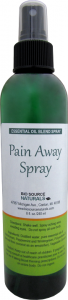
Phyto Body Soothe Spray
Cooling Aromatherapy for Post-Activity Body Care
(formerly Pain Away Essential Oil Blend Spray)
Phyto Body Soothe Spray combines Helichrysum, Peppermint, and Wintergreen essential oils in a lightweight base of distilled water and witch hazel.
The combination provides an immediate fresh, cooling aromatic experience without the heavier feel of a traditional massage oil. That makes Phyto Body Soothe especially convenient after workouts, gardening, long periods on your feet, or other physical activity.
What’s Inside Phyto Body Soothe?
Helichrysum Essential Oil
Helichrysum Essential Oil—often called immortelle—is highly valued in aromatherapy and natural skin care.
Helichrysum italicum contains a complex mixture of volatile constituents, and both extracts and essential oils have been investigated experimentally for antioxidant and inflammatory-pathway activity. Laboratory research on commercial H. italicum essential oils has also found biological activity involving nitric oxide and other pathways.
Research-associated characteristics include:
- Antioxidant activity
- Investigation of inflammatory pathways
- Extensive traditional use in skin and body care
- Complex mixture of terpenes and aromatic compounds
Much of the evidence remains laboratory or preclinical research rather than clinical evidence for treating musculoskeletal conditions.
Peppermint Essential Oil
Peppermint Essential Oil provides the unmistakable cooling sensation of menthol.
In Phyto Body Soothe, peppermint helps create the immediate cooling, refreshing sensory experience that makes the spray particularly appealing after activity.
Wintergreen Essential Oil
Wintergreen Essential Oil has a distinctive sweet, mint-like aroma and is composed predominantly of methyl salicylate.
Methyl salicylate has a long history of use in topical preparations, but its presence also makes wintergreen an essential oil that requires particular care. Excessive exposure can cause salicylate toxicity, and interactions have been reported with anticoagulant medications such as warfarin.
Important characteristics of wintergreen include:
- Naturally very high in methyl salicylate
- Strong, recognizable cooling aromatic profile
- Widely associated with traditional topical preparations
- Requires careful dilution and responsible use
- Should not be ingested
A Simple Post-Activity Ritual
Spray Phyto Body Soothe onto appropriate areas according to label directions as part of your post-exercise or end-of-day body-care routine.
The combination of cooling peppermint and wintergreen with aromatic helichrysum makes it an easy option when you prefer a lightweight spray rather than an oil.
Visit Phyto Body Soothe Spray for complete product information plus bonus affirmations, EFT tapping, and journaling tools for a more intentional self-care experience.
Which Essential Oil Blend for Joint Discomfort Should You Choose?
BioSource Naturals offers several ways to incorporate essential oils into a body-care routine for tired, stiff, or overworked joints and muscles. The best choice depends on whether you prefer a versatile aromatherapy blend, a ready-to-use massage oil, or a quick cooling spray.
Choose Mobility Ease if you want a more complex herbal, woody, and resinous blend featuring bay leaf, tea tree, lemon, cedarwood, frankincense, and myrrh. Available in concentrate, roll-on, massage oil, and spray formats, it is the most versatile choice for incorporating aromatherapy into your regular body-care routine.
Choose Frankincense & Myrrh Massage Oil if you enjoy massage and prefer the warm, earthy, grounding aromas of frankincense and myrrh. This ready-to-use massage oil is especially well suited to slower, intentional massage and evening self-care when joints and surrounding muscles feel tired or overworked.
Choose Phyto Body Soothe Spray if you prefer a lightweight, convenient spray with the pronounced cooling sensation of peppermint and wintergreen combined with helichrysum. It’s an easy option after exercise, gardening, physical work, or whenever you want a quick post-activity body-care ritual.
You don’t necessarily have to choose just one. Mobility Ease can serve as your versatile everyday aromatherapy option, Frankincense & Myrrh Massage Oil is ideal when you have time for massage, and Phyto Body Soothe offers convenient cooling body care when you’re on the go.
Can Essential Oils for Joint Discomfort Treat Arthritis or Joint Disease?
Essential oils should not be considered a treatment for arthritis, osteoarthritis, rheumatoid arthritis, injuries, or other medical conditions.
Scientific studies have identified potentially interesting biological activity in numerous essential oils and botanical constituents, including effects involving inflammatory pathways, oxidative stress, sensory receptors, and other mechanisms. However, laboratory or animal findings do not establish that applying an essential oil to the skin will produce the same effect in humans.
Some aromatherapy studies have also reported changes in subjective measures such as discomfort, but the clinical evidence is still limited and varies considerably by oil, formulation, dose, route of administration, and condition studied.
For persistent, severe, unexplained, swollen, hot, or worsening joint discomfort, consult a qualified healthcare professional.
Essential Oil Safety
Essential oils are highly concentrated botanical materials and should be used responsibly.
- Follow the dilution and usage instructions provided with each product.
- For external use only unless a product is specifically labeled otherwise.
- Do not ingest essential oils.
- Avoid contact with eyes, mucous membranes, and damaged skin.
- Discontinue use if irritation or sensitivity occurs.
- Keep essential oils away from children and pets.
- Consult a qualified healthcare professional before using essential oils during pregnancy or breastfeeding or if you have a medical condition.
- Check individual product precautions if you take prescription medications.
- Wintergreen contains high concentrations of methyl salicylate and requires particular caution, especially for people using anticoagulant medications or with salicylate sensitivity.
- Follow product-specific recommendations concerning citrus oils and sun/UV exposure.
See the individual product page and BioSource Naturals safety information for complete directions and precautions.
Frequently Asked Questions About Essential Oils for Joint Discomfort
What essential oils are commonly used in massage for joint discomfort?
Peppermint, eucalyptus, German chamomile, frankincense, myrrh, helichrysum, wintergreen, bay leaf, and cedarwood are among the essential oils traditionally incorporated into massage and body-care preparations. Each offers a different aromatic and sensory experience, from the cooling sensation of peppermint to the warm, grounding aromas of frankincense and myrrh.
Are Frankincense and Myrrh good essential oils for massage?
Frankincense and myrrh have long histories of traditional use in aromatic and body-care preparations. Their warm, earthy, resinous aromas make them especially appealing for slow, relaxing massage and evening self-care rituals. Research has also investigated compounds found in Boswellia and Commiphora species for antioxidant and inflammatory-pathway activity, although research involving botanical extracts or isolated compounds should not be interpreted as proof that the essential oils or a finished massage product treat joint conditions.
For a ready-to-use option, Frankincense & Myrrh Massage Oil combines these two aromatic botanicals in a convenient massage formula.
What essential oil feels cooling on tired or overworked areas?
Peppermint is particularly well known for the cooling sensation produced by its naturally occurring menthol. Wintergreen also has a distinctive fresh sensory profile and contains high concentrations of methyl salicylate. Because of its methyl salicylate content, wintergreen requires careful use and has additional safety considerations.
Phyto Body Soothe Spray combines peppermint, wintergreen, and helichrysum in a convenient topical aromatherapy spray designed for post-activity body care.
Should essential oils be diluted before applying them to the skin?
Generally, yes. Essential oils are highly concentrated botanical materials. Appropriate dilution with a carrier oil can reduce the likelihood of skin irritation and makes essential oils easier to distribute during massage. Alternatively, choose a properly formulated, ready-to-use product such as a massage oil, roll-on, or spray and follow its label directions.
Can essential oils cure arthritis or other joint conditions?
No. Essential oils have not been established as cures or medical treatments for arthritis or other joint diseases. Although individual essential oils, botanical extracts, and naturally occurring constituents have been investigated for a variety of biological activities, this research does not establish that an aromatherapy product can diagnose, treat, cure, or prevent arthritis or another medical condition.
Persistent, severe, swollen, hot, unexplained, or worsening joint symptoms should be evaluated by a qualified healthcare professional.
Which BioSource Naturals product should I choose for joint and muscle body care?
The best choice depends on the type of aromatherapy and body-care experience you prefer.
Mobility Ease Essential Oil Blend is a good choice if you want a more complex formula featuring bay leaf, tea tree, lemon, cedarwood, frankincense, and myrrh. It is available in concentrate, roll-on, massage oil, and spray formats.
Frankincense & Myrrh Massage Oil is ideal if you prefer a ready-to-use massage oil with the warm, earthy, grounding aromas of these two traditional botanical resins.
Phyto Body Soothe Spray is a convenient choice when you want a lightweight, cooling post-activity spray featuring peppermint, wintergreen, and helichrysum.
Many people choose more than one format such as a massage oil for a longer evening self-care ritual and a spray or roll-on when they want something quick and convenient.
Learn More About Essential Oils for Physical Comfort
Looking for more information? Explore our comprehensive guide to Essential Oils for Pain Relief & Physical Comfort, including aromatherapy for sore muscles, joint comfort, back and neck tension, headaches, massage, relaxation, and everyday physical comfort.
Disclaimer
*This article is provided for educational purposes and discusses traditional aromatherapy use and published research involving individual botanical ingredients. Research involving an ingredient, isolated constituent, extract, laboratory model, animal model, or specific experimental formulation does not establish that a BioSource Naturals product produces the same effect.
BioSource Naturals aromatherapy products are not intended to diagnose, treat, cure, or prevent arthritis, pain, inflammation, injury, or any other disease or medical condition. If you have persistent or significant joint symptoms, consult an appropriate healthcare professional.
References
- Jun YS, Kang P, Min SS, Lee JM, Kim HK, Seol GH. Effect of eucalyptus oil inhalation on pain and inflammatory responses after total knee replacement: a randomized clinical trial. Evidence-Based Complementary and Alternative Medicine. 2013;2013:502727. doi:10.1155/2013/502727.
- Sayyah M, Saroukhani G, Peirovi A, Kamalinejad M. Analgesic and anti-inflammatory activity of the leaf essential oil of Laurus nobilis Linn. Phytotherapy Research. 2003;17(7):733-736. doi:10.1002/ptr.1197.
- Al-Mijalli SH, et al. Chemical composition, antioxidant, anti-diabetic, anti-acetylcholinesterase, anti-inflammatory, and antimicrobial properties of Arbutus unedo L. and Laurus nobilis L. essential oils. Life (Basel). 2022;12(11):1876. doi:10.3390/life12111876.
- Sala A, Recio MC, Schinella GR, et al. Anti-inflammatory and antioxidant properties of Helichrysum italicum. Journal of Pharmacy and Pharmacology. 2002;54(3):365-371. doi:10.1211/0022357021778600.
- Staver MM, Gobin I, Ratkaj I, et al. Linking the antimicrobial and anti-inflammatory effects of immortelle essential oil with its chemical composition—the interplay between the major and minor constituents. Food and Chemical Toxicology. 2021;158:112666.
- Abdelwahab SI, et al. An integrated in vitro approach on the enzymatic and antioxidant mechanisms of four commercially available essential oils traditionally used topically for their anti-inflammatory effects. 2024. PMID: 38371914.
- Efferth T, Oesch F. Anti-inflammatory and anti-cancer activities of frankincense: targets, treatments and toxicities. Seminars in Cancer Biology. 2022;80:39-57. doi:10.1016/j.semcancer.2020.01.015.
- Al-Harrasi A, et al. A review of anti-inflammatory terpenoids from the incense gum resins frankincense and myrrh. Journal of Oleo Science. 2017;66(8):805-814. PMID: 28381769.
- Alqahtani AS, et al. Commiphora myrrh: a phytochemical and pharmacological update. 2022. PMID: 36399185.
- Chan TY. Potential dangers from topical preparations containing methyl salicylate. Human & Experimental Toxicology. 1996;15(9):747-750. doi:10.1177/096032719601500905.
- U.S. Food and Drug Administration. Aromatherapy. FDA. Accessed 2026.
- U.S. Food and Drug Administration. Is It a Cosmetic, a Drug, or Both? (Or Is It Soap?) FDA. Accessed 2026.
For additional scientific literature, search PubMed.