
Pure Aromatherapy for Body, Mind & Spirit
When Food Becomes a Source of Safety
When Food Becomes a Source of Safety
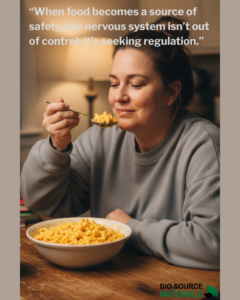
Emotional eating and the nervous system are closely connected. When the brain learns to associate food with safety, comfort, or relief from stress, eating can become an automatic response to emotional or physiological tension, even when the body is not physically hungry.
Understanding the connection between emotional eating and the nervous system can help explain why control-based dieting and willpower alone often fail. This article explores how stress, cravings, and learned patterns can influence eating behavior, along with body-based practices such as aromatherapy, breathwork, and EFT tapping that may help create a calmer pause between an urge and a choice. It also discusses how changes in appetite signals, including those experienced with GLP-1 medications, may influence emotional regulation and eating behaviors.
Shop the essential oils and aromatherapy products mentioned in this article at the bottom of the page.
Emotional Eating and the Nervous System
Many people struggling with emotional eating or weight concerns assume the issue is discipline.
But often, the nervous system is not resisting change; it is protecting stability.
When food has become a source of safety, the body is not failing. It is regulating.
This is one of the most misunderstood patterns behind cycles of dieting, cravings, and “starting over Monday.” The body is not fighting goals; it is responding to perceived threat.
And the nervous system does not respond to logic when it feels unsafe.
It responds to cues of calm, predictability, and containment.
Food as Regulation, Not Failure
For some nervous systems, food becomes the most reliable form of soothing available.
It is warm.
It is sensory.
It is predictable.
Eating can temporarily quiet internal alarm signals, even if only briefly.
This does not mean the body wants excess food.
It means the body wants relief.
Early experiences of pressure, unpredictability, emotional responsibility, or chronic stress can teach the brain:
- Safety comes from fullness
- Calm comes from eating
- Comfort comes from sensory grounding
What is often labeled “emotional eating” is frequently a self-protective regulation strategy.
This emotional eating nervous system response is the body trying to regulate discomfort, not a failure of discipline.
Learning how to create these cues of safety can extend far beyond eating patterns. Explore our complete guide to How to Regulate Your Nervous System Naturally for additional breathing, aromatherapy, mindfulness, and body-based practices.
Why Willpower-Based Approaches Rarely Last
Plans built on control: strict rules, elimination, punishment can activate the nervous system rather than calm it.
A dysregulated nervous system interprets restriction as threat.
This can lead to:
- Increased cravings
- Rebound eating
- Obsessive food thoughts
- Shame around eating
- Cycles of progress followed by collapse
Without regulation first, the body stays in survival mode and survival always overrides goals.
A Note About GLP-1 Medications and Emotional Quieting
Some people using GLP-1 medications notice that food thoughts feel quieter or less urgent.
This can feel surprising and sometimes even uncomfortable especially for those who are used to food providing emotional relief or grounding.
These medications influence signals related to appetite and reward. Because the brain and body are closely connected, a change in food drive can also change how strongly urges and emotional impulses are felt.
For some people, the shift feels like:
- fewer repetitive food thoughts
- less internal pressure to eat
- more pause between impulse and action
Occasionally it may feel unfamiliar, almost like something that used to regulate emotions is no longer needed in the same way.
This does not mean emotions are disappearing.
Often it means the nervous system has more space to respond instead of react.
Supportive practices such as breathwork, tapping, or calming sensory rituals can help the body adapt to this quieter state so nourishment becomes intentional rather than automatic.
(This article is for educational purposes only and does not provide medical advice. Always consult your healthcare professional regarding medications.)
Why Regulation Comes Before Change
Sustainable change tends to occur after the body experiences safety, not before.
As regulation improves:
- hunger cues become clearer
- urgency decreases
- decisions feel calmer
- food loses emotional intensity
This is why body-based tools such as aromatherapy and EFT tapping can be supportive, not because they control eating, but because they change the state in which eating decisions happen.
If cravings and emotional eating are also part of your weight-management goals, explore our guide to Essential Oils for Weight Loss & Metabolism Support for additional aromatherapy and holistic self-care strategies.
Try It First: Two Simple Pre-Eating Aroma Experiments
These are not meant to suppress appetite.
They help you identify what the body is actually asking for before eating.
You may notice the urge to eat changes once the nervous system settles.
DIY Blend #1 — Nervous System Grounding
Use when eating feels urgent, restless, or automatic
- 3 drops Lavender essential oil
- 2 drops Bergamot essential oil
- 1 drop Vetiver essential oil
Diffuse briefly or inhale from palms before meals.
Many people use grounding aromas before opening the refrigerator to determine whether the body wants food or steadiness.
A ready-made option with a similar intention is the Biosource Naturals Grounding Essential Oil Blend.
DIY Blend #2 — Emotional Reset Before Snacking
Use when cravings appear after stress, conflict, or mental overload
- 3 drops Grapefruit essential oil
- 2 drops Peppermint essential oil
- 1 drop Frankincense essential oil
Inhale slowly for three breaths, then reassess hunger.
This often works as a “pause signal” for the brain rather than a restriction tool.
A ready-made option with this type of support is the Biosource Naturals Craving Cleanse Essential Oil Blend.
Why This Matters
When the nervous system receives a cue of safety first, eating becomes a choice instead of a reflex.
The goal is not to fight hunger.
The goal is to remove urgency so true hunger becomes clear.
When Eating Feels Urgent or Restless
Sometimes the body isn’t hungry; it’s unsettled.
In these moments, many people feel pulled toward food simply to land somewhere inside themselves.
Earth-toned aromas are often used before meals to create a sense of steadiness.
For example, Grounding Essential Oil Blend is commonly used as a pause ritual when eating feels rushed or automatic.
Apply to wrists or inhale slowly before deciding whether the body actually wants nourishment.
When Stress or Emotions Drive Eating
Other times eating follows emotional build-up: long days, tension, irritability, overwhelm.
Here the nervous system isn’t seeking fullness; it’s seeking relief. Aromatherapy can help interrupt the emotional eating nervous system cycle before automatic eating begins.
Soft regulating aromas can be helpful before meals or during late-evening food thoughts.
Blends designed for emotional balance, such as Calming Essential Oil Blend, are traditionally used to support steadier mood patterns and reduce reactive choices.
When the Mind Feels Loud or Overstimulated
Some eating patterns happen when the brain won’t settle, replaying conversations, anticipating tomorrow, or trying to quiet internal noise.
In these moments, the body may reach for food simply to soften mental intensity.
Relaxing aromatic routines, including blends like Peace Essential Oil Blend, are often used to encourage a more settled state before evening eating or snacking.
When Habits and Cravings Take Over
Sometimes eating isn’t emotional or stressful. It’s patterned.
Walking into the kitchen
Finishing a task
Watching TV
Driving home
The body anticipates food automatically.
Bright citrus and mint aromas are often used as interruption cues.
For example, Craving Cleanse Essential Oil Blend is traditionally used before meals or during snack urges to encourage mindful eating and reduce automatic reaching.
The purpose is not suppression; it’s awareness.
Simple Pre-Eating Reset Ritual
- Pause before eating
- Inhale chosen aroma slowly for 3 breaths
- Ask: Am I hungry, tired, overwhelmed, or seeking comfort?
- Then decide
Over time, the nervous system begins separating need from pattern.
EFT Tapping: Teaching the Body Calm Exists Without Food
EFT works by calming the nervous system while acknowledging the protective role food once played. As safety increases, the emotional eating nervous system response becomes less reactive.
Setup Statement
Repeat 3 times:
“Even though my body learned to use food for safety, I respect how it tried to protect me, and I’m open to new ways to feel calm.”
Tapping Round
Eyebrow:
My body learned food equals comfort.
Side of Eye:
It wasn’t weakness; it was protection.
Under Eye:
My nervous system wanted calm.
Under Nose:
I didn’t have other tools yet.
Chin:
My body did the best it could.
Collarbone:
I honor that part of me.
Under Arm:
I can learn new regulation.
Top of Head:
Calm can exist without eating.
Reframe
I can pause.
I can listen.
I can nourish instead of soothe.
My body learns safety step by step.
The Shift That Changes Everything
When the body no longer feels rushed, threatened, or deprived:
Eating becomes quieter.
Cravings soften.
Decisions feel clearer.
Food stops carrying emotional responsibility.
This is not forcing the body to change.
It is allowing the body to feel safe enough to change.
As the emotional eating nervous system cycle settles, eating becomes a choice instead of a reaction. Over time, the emotional eating nervous system pattern softens as safety signals increase.
Related Articles
Other helpful articles which explore support for emotional eating and emotional healing strategies.
- Appetite Awareness Support
- Feeling Responsible for Everyone – Emotional Healing, EFT, and Essential Oils for the Over-Responsible Nervous System
- Essential Oils for Weight Loss and Appetite Control
*These statements have not been evaluated by the Food and Drug Administration. This product is not intended to diagnose, treat, cure, or prevent any disease.
About the Author

🔍 Click Image to Enlarge and Read