
Pure Aromatherapy for Body, Mind & Spirit
Essential Oils for Deer Hunting | Natural Cover Scents & Lures
Essential Oils for Deer Hunting | Natural Cover Scents & Lures
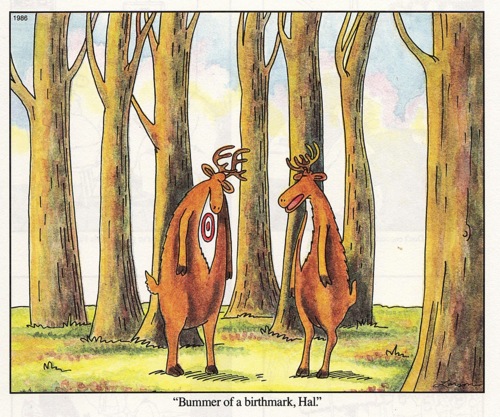 Cedarwood, Cypress, Pine, and Anise are essential oils hunters can experiment with as natural cover scents and scent lures for deer hunting. Cedarwood, Cypress, and Pine provide familiar woody and evergreen aromas suited to forest environments, while Anise offers a strong, sweet, licorice-like scent traditionally used by some hunters as an aromatic attractant. Essential oils provide a concentrated, customizable alternative to commercially prepared hunting scents and can be used with scent wicks or other scent-holding materials. This guide explores how to use essential oils for deer hunting while considering scent placement, safety, and local hunting regulations.
Looking for the essential oils and supplies mentioned in this guide? Cedarwood, Cypress, Pine, Anise, and carrier oils are conveniently located at the end of this page for easy shopping.
Cover Scents: Essential Oils for Deer Hunting
Deer rely heavily on their sense of smell, which is one reason scent control receives so much attention from hunters. Commercial cover scents are widely available, but essential oils provide another way to experiment with aromas that resemble scents naturally encountered in wooded environments.
Cedarwood Essential Oil has a dry, woody, forest-like aroma that fits naturally with many wooded hunting environments. Its deep, earthy character makes Cedarwood a logical choice when creating a vegetation-inspired cover scent for deer hunting. It can be used alone or combined with Cypress and Pine for a more complex woodland aroma.
Cypress Essential Oil offers a fresh, green, woody aroma reminiscent of evergreen foliage and the outdoors. Cypress can be incorporated into a natural cover-scent blend when hunting in wooded or evergreen environments. Its fresher aroma complements the deeper scent of Cedarwood and the sharper evergreen character of Pine.
Pine Essential Oil provides a strong, recognizable evergreen aroma particularly suited to pine forests and other wooded environments. Hunters interested in experimenting with essential oils for deer hunting can use Pine by itself or combine it with Cedarwood and Cypress to create a layered forest-inspired scent.
These oils should be considered aromatic hunting tools rather than guaranteed methods of eliminating or masking human scent. Wind direction, thermals, weather conditions, habitat, hunting pressure, and deer behavior remain important factors in the field.
How to Make an Essential Oil Cover Scent
Essential oils are highly concentrated, so you don’t need much to experiment with an outdoor scent.
One approach is to dilute your chosen essential oil with a carrier oil such as Sweet Almond or Jojoba Oil and apply a small amount to a scent wick or other removable scent-holding material.
For a woodland-inspired combination, experiment with:
Cedarwood + Cypress + Pine
Rather than making the scent overwhelmingly strong, start with a small amount and adjust your blend as needed. A stronger aroma does not necessarily mean better scent coverage.
Using a removable scent wick also allows you to control where the aroma is placed and remove it when you leave.
Avoid saturating your hunting clothes with carrier oil because oils can stain fabric. If you choose to use a diluted essential oil on your skin, patch test the preparation first and avoid sensitive areas.
Anise Essential Oil for Deer Hunting
Anise Essential Oil deserves special attention because it is very different aromatically from Cedarwood, Cypress, and Pine.
Anise has an intense sweet, licorice-like aroma that carries well and has traditionally been experimented with by some hunters as a deer scent lure or aromatic attractant. While the woody oils are primarily useful for creating forest-inspired aromas, Anise is generally chosen because of its distinctive scent.
Because Anise Essential Oil is extremely concentrated, a little goes a long way. A small amount can be placed on a scent wick or similar scent-holding material where regulations permit.
Some hunters may choose to use Anise alone, while others may experiment with combining a small amount with woody aromas such as Cedarwood, Cypress, or Pine.
As with any deer scent lure, results aren’t guaranteed. Deer responses can vary considerably depending on the individual animal, hunting pressure, season, wind, weather, habitat, and other environmental conditions.
Food Lures: Essential Oils for Deer Hunting
Hunters have long experimented with food-associated aromas as a way of creating an interesting scent in the hunting environment.
Of the essential oils discussed here, Anise Essential Oil is the primary oil to consider for this purpose because of its powerful sweet aroma.
There is an important distinction between an aromatic scent lure and edible bait. Regulations governing both can vary considerably by location.
For example, Michigan’s current 2026 deer regulations permit food-scented materials, including oil-based attractants and scented wicks, when they are made inaccessible for consumption and positioned to prevent deer from physically contacting them. At the same time, baiting and feeding remain prohibited throughout Michigan’s Lower Peninsula.
For that reason, always check the current regulations where you hunt rather than assuming that a scent product permitted in one state is legal in another.
Cover Scent vs. Scent Lure: What’s the Difference?
Although the terms sometimes overlap, they describe two somewhat different approaches.
A cover scent introduces an aroma associated with the surrounding environment. Cedarwood, Cypress, and Pine fit naturally into this category because their aromas resemble woody or evergreen vegetation.
A scent lure or attractant is intended to introduce an aroma that may interest an animal. Anise fits more naturally into this category because of its distinctive sweet scent.
Neither approach should be considered a substitute for traditional scent-management practices. Paying attention to wind direction, thermals, clothing, equipment, entry routes, and positioning remains important when hunting deer.
Safety When Using Essential Oils for Deer Hunting
Essential oils are highly concentrated plant extracts and should be handled accordingly.
Do not put undiluted essential oils into your eyes or on sensitive skin. If using an essential oil topically, dilute it appropriately with a carrier oil and patch test it first.
Carrier oils may stain hunting clothing and equipment, so using a separate scent wick or scent-holding material may be preferable.
Do not ingest essential oils as part of these hunting applications. Keep bottles securely stored away from children and pets.
Avoid leaving scent wicks, cloth, containers, or other materials behind in the field. When using scented attractants, place them in accordance with state and local wildlife regulations and prevent wildlife from consuming or physically contacting the product when required.
Check Your State’s Deer Hunting Regulations
Always check your current state and local regulations before using essential oils, food scents, scent wicks, or other attractants while hunting. Rules can change from season to season and may differ between public and private property or different regions within the same state.
In Michigan for the 2026 deer season, baiting is banned throughout the Lower Peninsula. However, the Michigan DNR specifically states that food-scented materials made inaccessible for consumption can be used when placed so deer cannot physically contact them; examples given by the DNR include oil-based attractants and scented wicks. Michigan has separate requirements governing products containing or claiming to contain cervid urine or bodily fluids.
Check the current Michigan Deer Hunting Regulations
Frequently Asked Questions About Essential Oils for Deer Hunting
What are the best essential oils for deer hunting cover scents?
Cedarwood, Cypress, and Pine are good oils to experiment with when you want woody and evergreen aromas associated with forest environments.
What does Cedarwood Essential Oil smell like?
Cedarwood has a deep, dry, woody aroma. It can be used individually or combined with Cypress and Pine to create a more complex woodland-inspired scent.
Can Pine Essential Oil be used as a deer hunting cover scent?
Pine has a strong evergreen aroma that naturally complements wooded and pine-forest environments. It can be used on its own or as part of a Cedarwood, Cypress, and Pine aromatic blend.
Why is Anise Essential Oil used for deer hunting?
Anise has a powerful sweet, licorice-like aroma. Some hunters have traditionally experimented with this distinctive scent as a deer lure or attractant rather than primarily as a forest-type cover scent.
Does Anise Essential Oil attract deer?
Anise has traditionally been used by some hunters as an aromatic attractant, but it should not be presented as guaranteed to attract deer. Animal behavior varies with season, environment, hunting pressure, weather, and many other factors.
Can I put essential oils directly on my hunting clothes?
You can potentially stain clothing with essential and carrier oils. A separate scent wick or other scent-holding material gives you greater control over placement and can be removed afterward.
Can I put essential oils directly on my skin?
Essential oils should generally be appropriately diluted before skin application. Use a suitable carrier oil and patch test the preparation first.
Are essential-oil deer scents legal?
That depends on where you hunt. Always check current state and local hunting regulations. Michigan’s 2026 regulations, for example, allow food-scented oils and wicks when deer cannot consume or physically contact the scented material.
Shop Essential Oils for Deer Hunting
Create your own woodland-inspired cover scent or experiment with aromatic scent lures using the essential oils discussed throughout this guide.
Shop Cedarwood, Cypress, Pine, Anise, and carrier oils from BioSource Naturals.
References
Michigan Department of Natural Resources. 2026 Deer Hunting Regulations Summary. Current Michigan regulations regarding deer hunting, baiting, food-scented oils, scent wicks, and attractants.
Michigan Department of Natural Resources. Baiting and Feeding. Defines bait and feed and explains the rules governing scented attractants where deer baiting is prohibited.
Michigan Department of Natural Resources. Chronic Wasting Disease Hunting Regulations. Includes current requirements concerning baiting, scented attractants, and cervid urine products.
Your add claims to have the highest purity level of EO’s. Is this just for hunting? What other natural additives are in your oils?
Our essential oils each have a certificate of analysis for purity, available as an automatic download with purchase.