
Pure Aromatherapy for Body, Mind & Spirit
When People Listen Through Their Wounds: How Nervous System Healing Restores Connection
When People Listen Through Their Wounds: How Nervous System Healing Restores Connection
 Communication breakdowns are often shaped by nervous system responses rather than intentional behavior or poor communication skills. When the body perceives threat, emotional triggers can distort how words are interpreted, causing calm feedback to feel like criticism or silence to feel like abandonment. This article explores how emotional triggers form, why fear can hijack communication, and how nervous system healing practices such as aromatherapy, EFT tapping, and grounding rituals may help the body recognize safety so conversations can be heard and understood more clearly.
Many communication breakdowns that feel personal are actually nervous system healing issues, the body is listening for danger before the mind hears the words. Some of the most painful conflicts don’t happen because words were wrong, but because perception was shaped by fear.
Many relationship conflicts that appear psychological or behavioral are actually nervous system responses.
When a person is unhealed, they don’t listen with their ears.
They listen with their triggers.
Calm becomes criticism.
Honesty feels like an attack.
Silence registers as abandonment.
This isn’t about intent.
It’s about perception shaped by fear.
From a nervous system perspective, many conflicts are not relational failures; they are survival responses that were once necessary and are no longer serving.
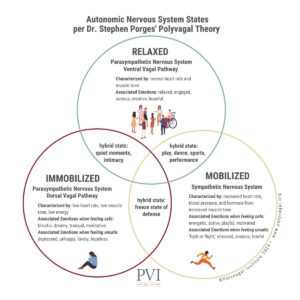 Why Emotional Triggers Hijack Communication
Emotional triggers are not character flaws. They are protective reflexes created in environments where emotional safety was inconsistent or absent. This is why nervous system healing must occur before communication strategies become effective.
When someone has lived with:
- Chronic criticism
- Emotional neglect
- Religious or moral pressure
- Unpredictable caregivers
- Over-responsibility for others’ emotions
…the nervous system adapts by staying alert.
Instead of asking “What is being said?”
The body asks “Is this dangerous?”
Once the nervous system senses threat, the thinking brain goes offline. Communication stops being about understanding and becomes about protection.
This is why:
- Neutral feedback can feel humiliating
- Boundaries feel rejecting
- Calm tone feels controlling
- Another person’s peace feels destabilizing
The body reacts first. Meaning comes later, if at all.
From a regulation perspective, the body reacts milliseconds before conscious thought.
This is why communication techniques alone often fail unless the nervous system itself begins to feel safer.
The Three Core Fears Behind Most Triggers
While triggers can look different on the surface, most are rooted in three nervous-system-level fears.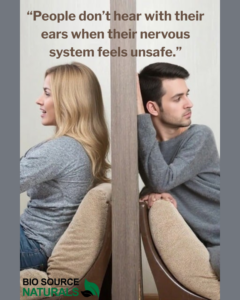
1. Fear of Abandonment
Silence, space, or independence may feel threatening because the body learned that connection equals survival.
2. Fear of Being Wrong or Unworthy
Any hint of correction activates shame. The nervous system defends through justification, withdrawal, or counterattack.
3. Fear of Losing Control
When safety once depended on vigilance or emotional management, another person’s calm can feel unsafe or invalidating.
These fears live below logic. That’s why explaining, reasoning, or “saying it better” rarely works.
Why Healing Is Necessary for Real Connection
Healing is not self-indulgent.
It is not avoidance.
It is not optional if connection is the goal.
Without nervous system regulation:
- Conversations become battlegrounds
- Relationships repeat old patterns
- Boundaries feel dangerous
- Intimacy requires emotional labor
With healing:
- Curiosity replaces defensiveness
- Silence becomes neutral
- Feedback becomes information
- Calm becomes regulating instead of threatening
Healing allows listening to return to the ears, not the fear.
Nervous system healing does not remove personality differences; it reduces threat perception so communication can be interpreted accurately.
For some people, the nervous system shifts more easily with a repeatable physical ritual rather than thought alone. Applying the same calming aroma to specific body locations during reflection or regulation practice gives the brain a predictable safety signal. This type of body-based practice is often used in somatic work to help the mind and body recognize the present moment.
Aromatherapy can be inhaled, but it can also be applied during emotional work. When scent and touch are paired together, the nervous system learns faster because multiple sensory pathways are involved at once.
Some people prefer applying aroma instead of only inhaling because touch and scent together create a stronger calming signal to the brain. Repeating the same application locations during emotional work helps the body learn when it is safe to relax. Nervous system healing changes interpretation, not just behavior.
Aromatherapy for Emotional Trigger Healing
Aromatherapy supports nervous system healing because scent reaches the limbic system directly, the emotional brain, without requiring analysis, belief, or effort.
Certain aromatic profiles are traditionally used to support grounding, emotional processing, and relaxation during reflective practices. These can be used alongside journaling, EFT tapping, or quiet regulation exercises.
Aromatherapy for Fear & Hypervigilance
- Frankincense Essential Oil— promotes spaciousness, steady breathing, and nervous system regulation
- Vetiver Essential Oil — deeply grounding, stabilizing for chronic alertness
Practice:
- Inhale gently for four counts, exhale for six.
- Internally repeat: “I am here. I am safe enough right now.”
Blends containing grounding resins and roots are often used during calming rituals to help the body shift out of alert mode.
Aromatherapy for Guilt & Over-Responsibility
- Sweet Orange or Bergamot Essential Oil— softens internal pressure
- Geranium Essential Oil — supports emotional balance and self-permission
Practice:
- Apply diluted oil to wrists or heart area.
- Allow shoulders to drop.
- Receive comfort without needing to earn it.
Citrus-floral aromatic combinations are commonly chosen when practicing self-permission and emotional softening exercises.
Aromatherapy for Insecurity & Reactivity
- Rose Essential Oil (very diluted) — supports self-worth and emotional safety
- Sandalwood Essential Oil— stabilizes emotional swings and strengthens inner authority
Practice:
- Place one hand on the chest, one on the belly.
- Breathe until warmth or softness emerges.
Soft floral-wood aromas are frequently used in reflective practices that focus on rebuilding internal safety.
Some people apply the same calming blend to consistent body areas during reflection or tapping so the body begins associating those locations with safety instead of stress.
EFT Tapping for Trigger Healing
EFT (Emotional Freedom Techniques) works by combining sensory input (tapping) with cognitive acknowledgment, bridging bottom-up and top-down regulation.
Many people add a repeating physical action while tapping so the body can recognize the shift more quickly. Applying a calming aroma to the same body points during tapping helps the nervous system separate present safety from past memory.
Because tapping engages both touch and awareness simultaneously, it can help the brain reinterpret sensations that were previously labeled as danger.
EFT for Fear of Being Misunderstood
While tapping:
“Even though I feel misunderstood and reactive, my body learned this to protect me.”
“Even though my system expects danger, I choose to create safety now.”
EFT for Guilt Responses
“Even though I feel responsible for other people’s emotions, I honor where this came from.”
“I am allowed to choose peace without earning it.”
EFT for Emotional Reactivity
“Even though my body reacts before I can think, I am learning to pause.”
“I don’t have to resolve this moment to be safe.”
Gentle Nervous System Healing Exercises
The following exercises are not meant to suppress emotion — they help the nervous system differentiate past memory from present safety.
1. Trigger Mapping
Ask:
- What did my body feel first?
- Where did tension show up?
- Is this reaction about now — or then?
This separates present reality from stored memory.
2. Orienting to Safety
Look around and name:
- Three colors you see
- Two sounds you hear
- One place in your body that feels neutral
This tells the nervous system: I am here, not there.
Repeating the same supportive ritual each time, even something simple like applying a familiar calming scent, helps the brain recognize that the present moment is different from past experiences.
Consistency matters more than the specific method. The brain learns safety through repetition.
3. Permission to Pause
Healing begins when reaction is no longer mandatory.
You are allowed to:
- Pause conversations
- Delay responses
- Choose silence without explanation
This is regulation, not avoidance.
When You’re Communicating With Someone Who Is Triggered
Sometimes compassion looks like recognizing that clarity is impossible without safety.
You can:
- Speak calmly without over-explaining
- Hold boundaries without convincing
- Step back without abandoning
You are not responsible for regulating someone else’s nervous system.
Using Body-Mind Lotions During Regulation Practices
Some people prefer pairing awareness practices with a repeatable sensory routine. Body-Mind Lotions were created for this purpose, applied to consistent areas while journaling, EFT tapping, or reflection so the body learns to associate those moments with safety instead of defense.
The goal is not to force calm, but to help the nervous system recognize familiar conditions where reaction is no longer necessary.
Over time, nervous system healing allows conversations to be heard in the present instead of filtered through past threat.

Click to Enlarge and Read
Ready for Your Next Step?
The Clean Break Companion Workbook is a free guided resource designed to help you reflect, create clearer boundaries, calm your nervous system, and take practical steps toward moving forward.
Get your free Clean Break Companion Workbook here.
Final Reflection
When people listen through their wounds, no amount of perfect wording will land.
Healing changes how the body listens.
And when the nervous system feels safe, connection becomes possible again, not forced, not managed, but real.
Communication improves not because people become perfect, but because the nervous system no longer has to defend against perceived threat.
This is the foundation of healing communication patterns.
Some people also incorporate sensory-based rituals such as aromatherapy or body-mapping practices while doing this work.
These practices are supportive wellness approaches and not a substitute for medical or mental health care.
If you’re exploring nervous system regulation through aromatherapy, EFT tapping, or gentle ritual practices, supportive tools are available throughout this site as optional companions to your healing process.
Many people find that combining awareness practices with a consistent sensory ritual helps emotional patterns change more reliably over time.
Research describing how the brain processes perceived threat and safety responses can be found here.
This article is part of our Clean Break Series exploring emotional healing, boundaries, nervous system regulation, and personal growth.
These statements have not been evaluated by the Food and Drug Administration. These products are not intended to diagnose, treat, cure, or prevent any disease.
About the Author

🔍 Click Image to Enlarge and Read