
Pure Aromatherapy for Body, Mind & Spirit
Emotional Boundaries: Understanding Someone Doesn’t Mean Staying Available to Them
Emotional Boundaries: Understanding Someone Doesn’t Mean Staying Available to Them
 People often struggle with emotional boundaries when they deeply understand someone’s pain, history, or emotional wounds. But understanding another person does not always mean remaining emotionally available to behaviors that create stress, emotional exhaustion, or nervous system overwhelm. This article explores compassion without self-abandonment, emotional boundaries, nervous system awareness, and supportive practices such as aromatherapy, EFT tapping, breathwork, and grounding self-care rituals.
Shop supportive aromatherapy and free resources mentioned in this article near the bottom of the page.
Understanding Someone Does Not Mean You Must Tolerate the Behavior
Understanding someone is awareness.
Remaining available to behavior that consistently harms your emotional well-being is something entirely different.
And the two are not the same.
Many thoughtful, empathetic, and emotionally intuitive people begin explaining away behaviors because they can see the pain, stress, or emotional history behind them.
They may think:
- “They’ve been through a lot.”
- “They don’t mean it.”
- “They’re struggling emotionally.”
- “I understand why they act this way.”
And all of those things may be true.
But understanding the reason behind a behavior does not automatically change the impact that behavior has on your body, emotions, or nervous system over time.
Compassion does not require abandoning your own emotional safety, boundaries, or internal stability.
What the Body Often Recognizes Before the Mind Does
The body does not respond to explanations in the same way the mind does.
It responds to patterns.
Over time, emotionally difficult dynamics may create ongoing states of tension, vigilance, emotional uncertainty, or internal stress within the nervous system.
Patterns such as:
- inconsistency
- unpredictability
- emotional withdrawal
- broken follow-through
- repeated emotional disappointment
can gradually affect how safe, settled, or emotionally steady a person feels over time.
Even when the mind is trying to remain compassionate, the body may still respond with:
- tension
- emotional exhaustion
- difficulty relaxing
- mental overthinking
- emotional vigilance
- a constant feeling of bracing or waiting
This does not make someone unkind or unforgiving.
It may simply reflect the body recognizing that a relationship or dynamic no longer feels emotionally sustainable in the same way it once did.
Compassion Without Boundaries Often Leads to Emotional Depletion
It is possible to care deeply about someone and still recognize that a relationship, pattern, or dynamic no longer feels healthy for you.
You can feel compassion for another person’s pain without continuing to absorb the emotional impact of their behavior.
For many people, emotional exhaustion begins when compassion slowly turns into over-functioning, over-accommodating, or repeatedly abandoning their own needs in order to maintain connection.
Healthy emotional boundaries are not punishment.
They are not cruelty.
And they are not rejection.
Often, they are an act of self-respect, emotional honesty, and nervous system protection.
Sometimes the most compassionate thing a person can do is acknowledge:
- “I understand you.”
- “I care about you.”
- “And this still does not feel emotionally healthy for me.”
Both things can exist at the same time. You can explore more on the topic of emotional healing in our comprehensive guide Emotional Healing With Essential Oils: A Complete Guide to Nervous System Regulation, Emotional Release and Growth. Emotional healing with aromatherapy, EFT tapping, emotional processing, healthy boundaries, nervous system support and practical pathways toward healing and personal growth are discussed in depth with a lot of resources.
🌿 Aromatherapy Support for Emotional Clarity & Healthy Boundaries
During emotionally overwhelming relationships or difficult interpersonal dynamics, many people find comfort in grounding self-care rituals that support emotional steadiness, clarity, and nervous system calm.
Aromatherapy can be one supportive tool within those routines. Certain essential oils are traditionally used in aromatherapy practices focused on emotional balance, grounding, reflection, and self-awareness. It can be purchased within this article through links or at the bottom of this article.
- Lemon Essential Oil – (Citrus limon) Frequently used in aromatherapy for mental clarity, freshness, and helping create a more clear-headed emotional perspective.
- Frankincense Essential Oil – (Boswellia carterii) – Traditionally used in grounding and reflective practices focused on emotional steadiness, mindfulness, and quiet self-connection.
- Lavender Essential Oil – (Lavandula angustifolia) – Widely used in aromatherapy to support relaxation, emotional calming, and nervous system comfort during stressful periods.
- Patchouli Essential Oil – (Pogostemon cablin) – Often used in grounding rituals and aromatherapy practices focused on emotional steadiness and reconnecting with the body.
- Ginger Essential Oil – (Zingiber officinale) – Traditionally used in aromatherapy practices associated with motivation, movement, and helping support forward momentum during periods of emotional stagnation.
🌿 Supportive BioSource Naturals Blends for Emotional Boundaries & Nervous System Support
During periods of emotional overwhelm, difficult relationship dynamics, or emotional exhaustion, many people find comfort in grounding rituals that help support emotional clarity, nervous system steadiness, and reconnection with themselves.
The following blends from BioSource Naturals may be supportive during emotionally demanding seasons of life:
- Grounding Essential Oil Blend – Often used during periods of emotional overstimulation, nervous system fatigue, or mental scatteredness to help encourage a steadier and more grounded feeling.
- Peace Essential Oil Blend – Traditionally used in aromatherapy practices focused on emotional calming, decompression, and creating a more peaceful internal atmosphere during emotionally stressful situations.
- Clearing Generational Patterns Essential Oil Blend – Created to support reflection, emotional awareness, and recognizing patterns that may no longer feel emotionally supportive or aligned.
- Precious Essential Oil Blend – Often chosen during periods of emotional rebuilding, self-reflection, and reconnecting with self-worth after emotionally draining experiences.
- SAS! Stress-Anxiety Support Essential Oil Blend – Frequently used in calming self-care rituals focused on emotional decompression, relaxation, and supporting moments of nervous system overwhelm or emotional fatigue.
Suggested Ritual Ideas
You might enjoy:
- applying grounding blends during emotionally stressful moments
- pairing aromatherapy with EFT tapping or journaling
- using calming oils during meditation or breathwork
- applying supportive blends before sleep or quiet reflection
- creating evening rituals focused on emotional decompression and nervous system support
These small sensory rituals may help encourage emotional steadiness, self-awareness, relaxation, and moments of reconnection with yourself during stressful or emotionally demanding periods.
This article is part of the BioSource Naturals emotional healing and personal growth library. Explore our complete guide, Outgrowing an Environment When You Can’t Leave Yet, for compassionate guidance on protecting your energy, strengthening boundaries, preserving your identity, regulating your nervous system, and preparing for change before you are able to move on.
🌿 Elemental Diffuser Blends for Emotional Boundaries & Clarity
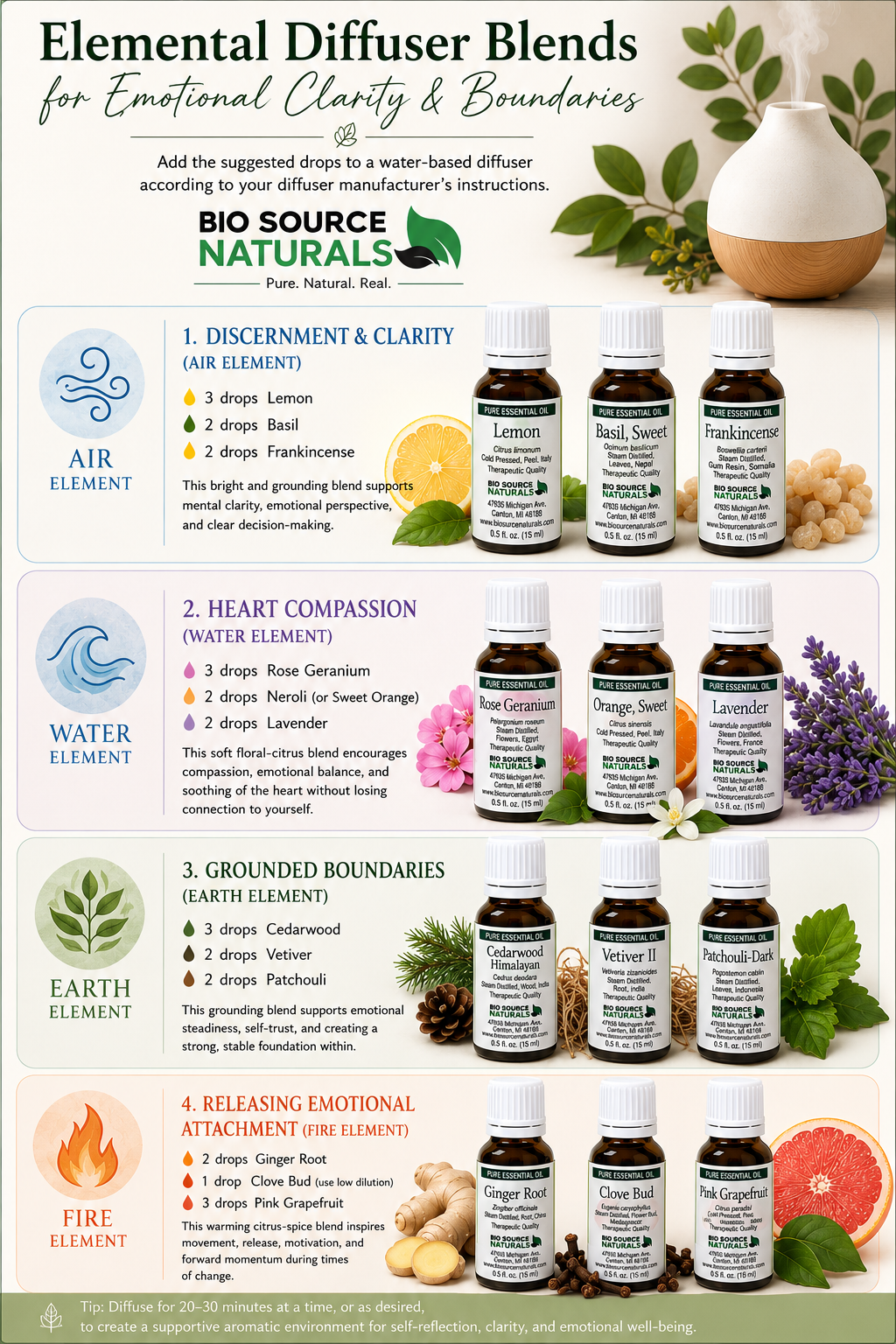
✨ EFT Tapping: Releasing Over-Responsibility & Emotional Over-Availability
Many people find that EFT tapping, journaling, breathwork, and grounding self-care rituals help create moments of emotional clarity and nervous system support during difficult relationship dynamics or emotionally draining periods of life.
This tapping sequence is designed to support emotional awareness, self-reflection, and the gradual release of over-responsibility or emotional overextension.
Setup Statements
Even though I understand why they behave this way, I acknowledge that my body still feels stressed, tense, or emotionally overwhelmed sometimes, and I’m open to honoring myself more fully.
Even though part of me wants to remain compassionate and available, I also recognize my need for emotional steadiness, boundaries, and peace.
Even though I’ve spent a long time making space for others, I’m open to creating healthier emotional balance within myself now.
Tapping Points
Eyebrow: I understand them deeply
Side of Eye: But this still affects me emotionally
Under Eye: My body has been carrying this stress
Under Nose: Trying to make space for everyone
Chin: Sometimes at the expense of myself
Collarbone: I don’t want to abandon myself anymore
Under Arm: I can care without overextending myself
Top of Head: I’m allowed to create healthier boundaries
Eyebrow: I can remain compassionate
Side of Eye: Without staying emotionally overwhelmed
Under Eye: My nervous system deserves steadiness too
Under Nose: I can release over-responsibility gradually
Chin: Without guilt or harshness
Collarbone: Allowing more emotional clarity
Under Arm: Creating space for myself again
Top of Head: Returning to greater calm, balance, and self-trust
🌬️ Breathwork Practice: Reclaiming Emotional Space
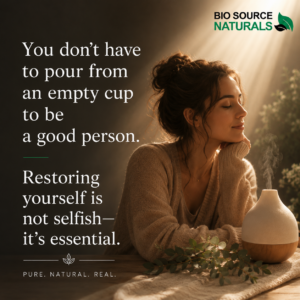 Simple breathwork practices can help create moments of calm, emotional steadiness, and nervous system support during emotionally overwhelming situations or relationship stress.
Try this gentle breathing exercise:
Inhale slowly for 4 seconds.
Hold gently for 4 seconds.
Exhale slowly for 6 seconds.
As you exhale, imagine yourself releasing emotional tension, over-responsibility, or the feeling that you must constantly manage other people’s emotions.
There is no need to force separation or shut yourself down emotionally.
The goal is simply to create a quiet moment where you can reconnect with your own internal steadiness, boundaries, and sense of self.
Research on chronic stress and nervous system regulation continues to grow, including studies exploring how stress may affect emotional and physical well-being over time.
✍️ Journal Prompts for Emotional Boundaries & Self-Reflection
Journaling can help create space for emotional awareness, nervous system reflection, and recognizing patterns that may no longer feel emotionally healthy or sustainable.
You might reflect on questions such as:
- Where have I confused understanding with obligation?
- What behaviors does my nervous system consistently react to?
- What situations leave me emotionally drained or depleted afterward?
- Where have I been over-explaining someone else’s behavior instead of honoring how it affects me?
- What would emotional steadiness feel like in my relationships?
- Where can I create healthier emotional space without guilt?
- What does compassion without self-abandonment look like for me now?
There are no perfect answers.
Sometimes the goal is simply creating enough quiet space to hear yourself more honestly and clearly.
Continue Exploring Emotional Healing: This article is part of our comprehensive guide, Emotional Healing With Essential Oils: A Complete Guide to Nervous System Regulation, Emotional Release and Growth. Explore aromatherapy, EFT tapping, emotional processing, healthy boundaries, nervous system support and practical pathways toward healing and personal growth.

Click to Enlarge and Read
Ready for Your Next Step?
The Clean Break Companion Workbook is a free guided resource designed to help you reflect, create clearer boundaries, calm your nervous system, and take practical steps toward moving forward.
Get your free Clean Break Companion Workbook here.
🌿 Final Reflection
You are allowed to understand someone deeply…
and still step back.
You are allowed to recognize another person’s wounds, history, or emotional struggles…
without continually absorbing the impact those patterns have on your own nervous system and emotional well-being.
You are allowed to care…
without remaining endlessly available to behaviors that leave you emotionally exhausted, overwhelmed, or depleted.
Because at a certain point in emotional growth, the question slowly changes.
It is no longer only:
“How can I understand them?”
It also becomes:
“How do I honor myself while remaining compassionate?”
And for many people, that shift changes everything.
Not through anger.
Not through emotional hardening.
But through greater clarity, emotional steadiness, self-awareness, and healthier boundaries.
Over time, many people notice that when they stop abandoning themselves emotionally:
- their nervous system feels calmer
- their energy feels more stable
- and their relationships begin reflecting their standards rather than their tolerance
Healthy emotional boundaries are not about becoming cold or disconnected—they are about learning how to remain compassionate without abandoning yourself in the process.
This article is part of our Clean Break Series exploring emotional healing, boundaries, nervous system regulation, and personal growth.
FDA Disclaimer
These statements have not been evaluated by the Food and Drug Administration. This article and any referenced products are not intended to diagnose, treat, cure, or prevent any disease.
Essential Oils for Emotional Clarity
Supportive BioSource Naturals Blends for Emotional Clarity
About the Author

🔍 Click Image to Enlarge and Read