
Pure Aromatherapy for Body, Mind & Spirit
Natural Perfume Recipe with Essential Oils for Energizing, DIY
Natural Perfume Recipe with Essential Oils for Energizing, DIY
Melissa Essential Oil Perfume Recipe – Energizing Floral Blend
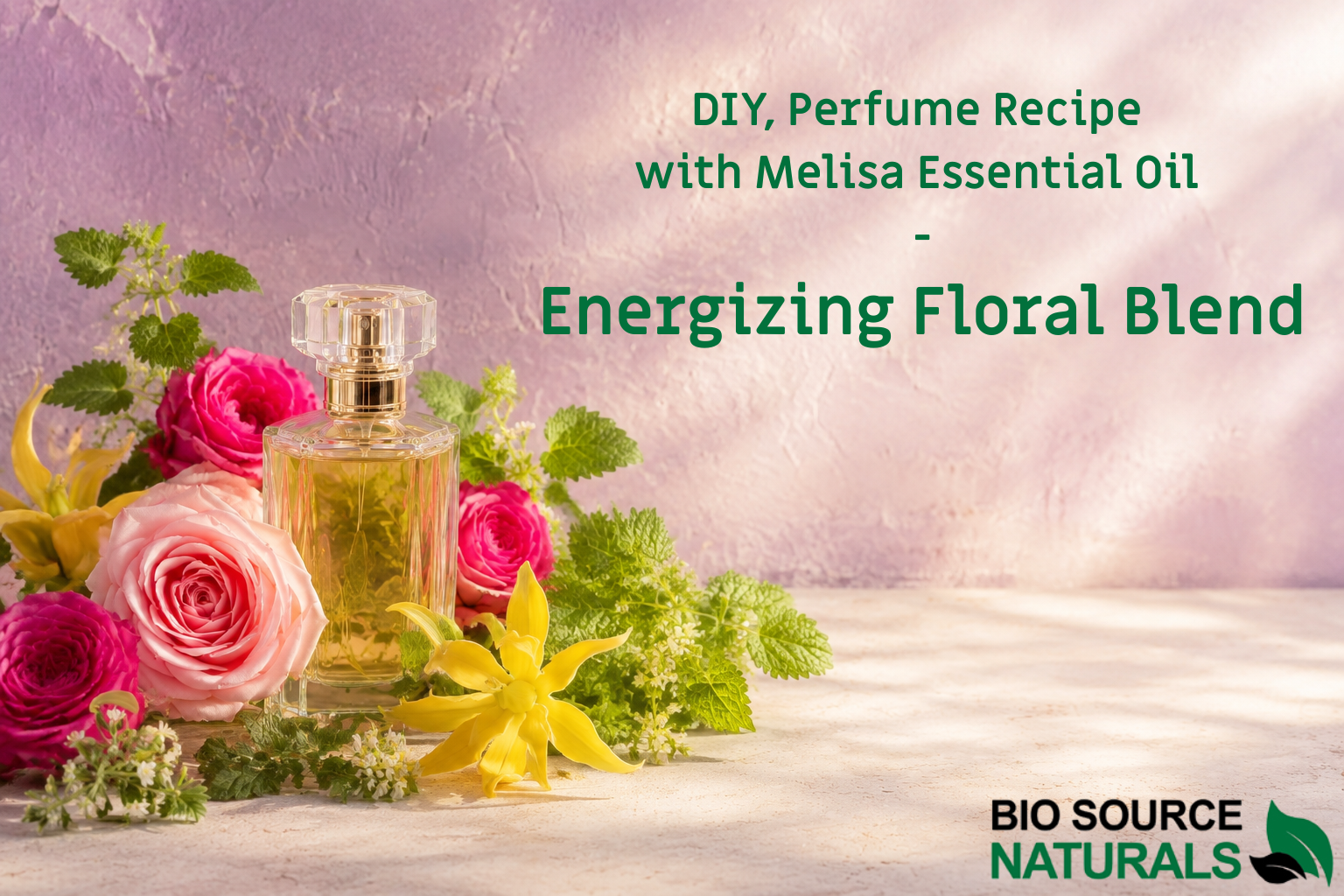 This Melissa essential oil perfume recipe combines fresh, lemony Melissa with romantic rose and rich ylang ylang. The finished perfume has a bright floral fragrance with sweet citrus-like top notes.
Originally named Energizing, this natural perfume can be worn for a special evening, an everyday personal fragrance or any occasion when you want a bright, distinctive floral scent. It also makes a thoughtful, handcrafted gift.
How to Make Natural Perfume from Essential Oils
Natural perfume can be made with an appropriate perfume alcohol or a carrier oil. This recipe uses jojoba oil, which has a subtle aroma and relatively long shelf life.
You will need:
- Essential oils
- Jojoba oil
- One 1 fl. oz. (30 ml) dark glass bottle
- Dropper or pipette
- Small funnel, if desired
- Label
Keep a written record of your formula. Even one additional drop can noticeably change a small perfume blend.
Energizing Floral Essential Oil Perfume Recipe
The revised formula below creates an approximately 3% aromatic concentration in one fluid ounce of jojoba oil.
Ingredients
- 5 drops Melissa
- 9 drops Rose
- 4 drops Ylang Ylang
- Approximately 2 tablespoons or 1 fl. oz. (30 ml) jojoba oil
How to Make the Perfume
- Add the essential oils to a clean, dry 1 fl. oz. glass bottle.
- Fill the remainder of the bottle with jojoba oil, leaving a small amount of space at the top.
- Secure the closure and cap. Gently roll the bottle between your palms to combine the ingredients.
- Label the bottle with the perfume name, ingredients and preparation date.
- Store the perfume in a cool, dark place for at least several days. For a more developed fragrance, allow it to rest for approximately two weeks.
- Smell the perfume again after it has rested. If you make an adjustment, change only one ingredient at a time and record the revised formula.
Apply a small amount to appropriate pulse points as desired.
Understanding the Energizing Floral Fragrance
This natural perfume combines three expressive floral ingredients.
Melissa has a fresh, lemony and lightly herbaceous aroma that provides the perfume’s bright opening.
Rose forms the floral heart and adds a soft, familiar richness.
Ylang ylang contributes a sweet, exotic and persistent floral note that gives the fragrance greater depth.
Despite its original Energizing name, the perfume does not guarantee increased energy or a particular emotional response. Its name describes the bright, lively fragrance that inspired the recipe.
Adjusting Your Melissa Essential Oil Perfume
Treat this recipe as a starting point and adjust it according to your fragrance preferences.
For a fresher, more lemony fragrance, slightly increase the Melissa while reducing another ingredient by the same amount. Remain within the appropriate dermal limit for the exact Melissa oil used.
For a more rose-forward perfume, replace one drop of ylang ylang with an additional drop of rose.
For a richer floral fragrance, replace one drop of rose with one additional drop of ylang ylang—but only after confirming that the formula remains within ylang ylang’s dermal-use limit.
Make only one adjustment at a time and allow the perfume to rest before deciding whether it needs another change.
Essential Oil Perfume Safety
DIY perfume is a leave-on skin product, so dilution and individual ingredient limits matter.
- For external use only.
- Avoid contact with the eyes, mucous membranes and sensitive areas.
- Keep essential oils and finished perfume away from children and pets.
- Do not apply undiluted essential oils directly to the skin.
- Patch test the properly diluted finished perfume before broader use.
- Discontinue use if redness, itching or irritation develops.
- Melissa and ylang ylang have individual dermal-use limits and should not be increased without recalculating the finished concentration.
- Review current safety guidance for every aromatic ingredient in the formula.
- Consult a qualified healthcare professional before using essential oils if you are pregnant, nursing, taking medication or managing a medical condition.
- Store the perfume tightly closed, clearly labeled and protected from excessive heat and direct light.
Download More Floral Perfume Recipes
Explore additional floral natural perfume formulas in our free downloadable collection:
Adapted from a perfume formula attributed to William Ziegler, “Perfume Made Easy at Home,” 2010. The proportions and preparation instructions have been revised.
Learn More About DIY Natural Perfume
This recipe is part of the BioSource Naturals complete guide to DIY Perfume with Essential Oils.
Explore fragrance families, top, middle and base notes, oil-based and alcohol-based perfume methods, formulation tips, essential-oil safety and dozens of natural perfume recipes.
Shop the Aromatic Ingredients
Written by BioSource Naturals Editorial Team
Reviewed by Lezlie Cebulski, Traditional Naturopath, Aromatherapist, Formulator and Founder
About the Reviewer

🔍 Click Image to Enlarge and Read