
Pure Aromatherapy for Body, Mind & Spirit
20 Practical Uses for Peppermint Essential Oil + DIY Recipes
20 Practical Uses for Peppermint Essential Oil + DIY Recipes
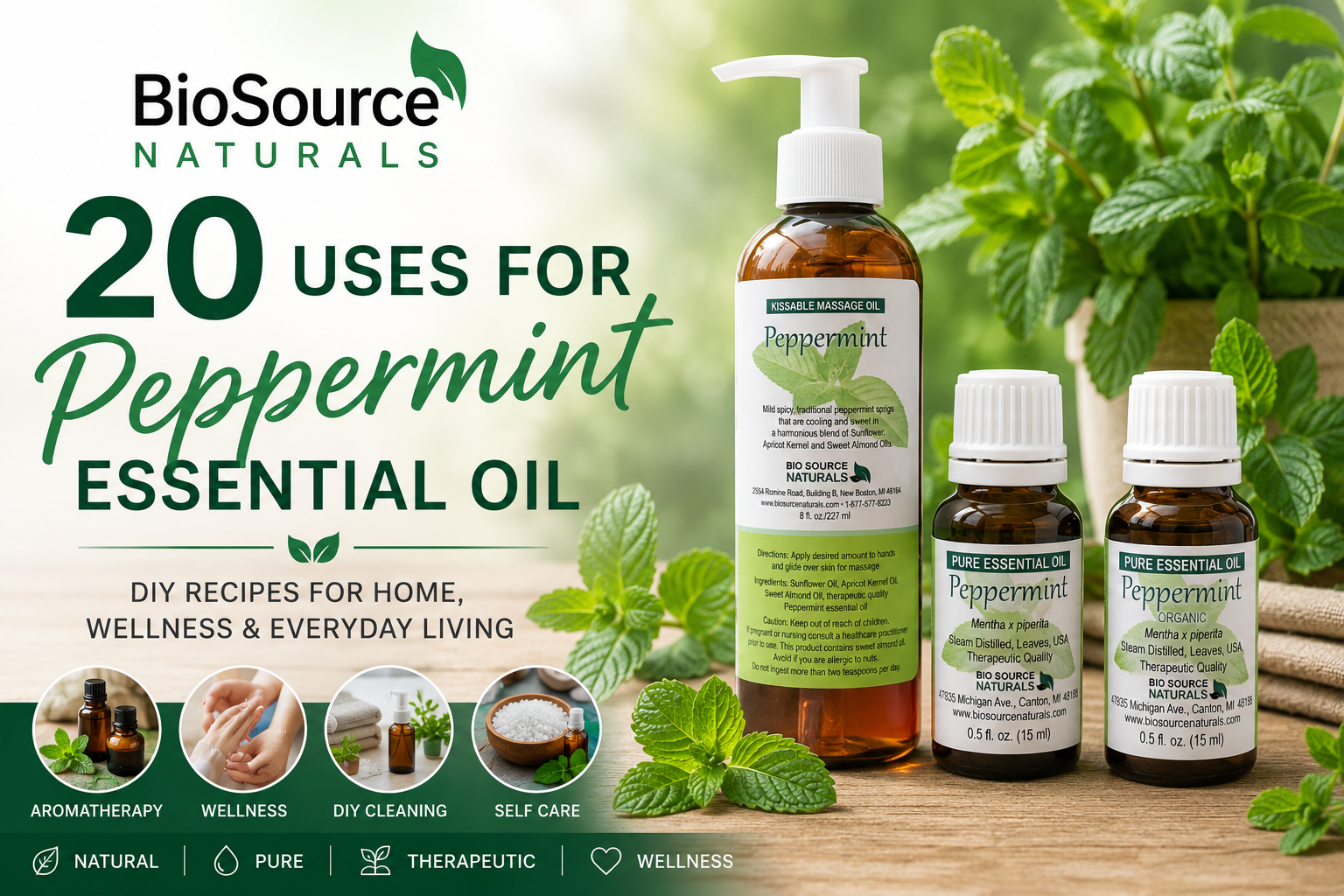
Uses for peppermint essential oil extend far beyond simply adding a few drops to a diffuser. Peppermint essential oil (Mentha × piperita) is one of the most versatile essential oils to keep at home, with a crisp, minty aroma that can feel cooling, refreshing, and invigorating. It works beautifully in diffuser blends, focused work rituals, massage oils, foot-care recipes, household freshening, and DIY body-care products.
If you have a bottle of peppermint essential oil sitting in your collection and aren’t quite sure what to do with it, these 20 practical uses for peppermint essential oil will give you plenty of simple ideas to try.
Peppermint also blends beautifully with citrus oils such as Lemon, Sweet Orange, and Grapefruit; herbal oils such as Rosemary and Eucalyptus; floral oils such as Lavender; and deeper aromatic oils such as Frankincense and Cedarwood.
Shop the essential oils and aromatherapy products mentioned in this article at the bottom of the page.
Because peppermint essential oil is highly concentrated, a little goes a long way. Always dilute appropriately for topical use, avoid the eyes and other sensitive areas, and use additional caution around young children and pets.
20 Uses for Peppermint Essential Oil – DIY Recipes
1. Freshen Indoor Air
Peppermint’s bright, minty aroma can quickly change the atmosphere of a room. Try combining it with Lemon and Eucalyptus for a particularly fresh-smelling diffuser blend.
DIY Fresh Air Diffuser Blend
- 4 drops Peppermint essential oil
- 3 drops Lemon essential oil
- 2 drops Eucalyptus essential oil
Add the oils to your diffuser according to the manufacturer’s instructions. Reduce the number of drops for smaller diffusers or rooms.
2. Create a Focused Work or Study Ritual
Scent can become part of the routine you associate with sitting down and concentrating. Peppermint, Rosemary, and Lemon make an especially crisp aromatic combination for your desk or study area.
DIY Focus Aromatherapy Inhaler
- 8 drops Peppermint essential oil
- 4 drops Rosemary essential oil
- 4 drops Lemon essential oil
- 1 blank personal aromatherapy inhaler
Add the essential oils to the absorbent wick of the inhaler and assemble according to the manufacturer’s instructions.
Inhale briefly as desired while studying, reading, or working.
3. Create an Invigorating Morning Diffuser Blend
If you prefer bright aromas in the morning, combine peppermint with citrus essential oils.
DIY Morning Diffuser Blend
- 5 drops Peppermint essential oil
- 3 drops Sweet Orange essential oil
- 2 drops Grapefruit essential oil
Add to your diffuser and diffuse intermittently according to the manufacturer’s directions.
This is a lovely aromatic ritual while getting ready for the day, exercising, or beginning your morning work.
4. Make a Cooling Muscle Massage Oil
The cooling sensation of peppermint makes it a popular addition to massage blends, particularly after exercise, gardening, or a physically demanding day.
DIY Peppermint Massage Oil
- 2 tablespoons Sweet Almond oil
- 4 drops Peppermint essential oil
- 4 drops Lavender essential oil
- 2 drops Frankincense essential oil
Combine in a clean glass bottle and shake gently.
Massage a small amount into tired areas as desired. Do not apply to broken or irritated skin and wash your hands afterward to avoid accidentally transferring peppermint to your eyes.
5. Make a Neck and Shoulder Roll-On
Long periods at a computer can leave you craving a massage. A portable roll-on makes it easy to incorporate aromatherapy into a neck and shoulder self-massage ritual.
DIY Peppermint Neck & Shoulder Roll-On
For one 10 mL roller bottle:
- 2 drops Peppermint essential oil
- 2 drops Lavender essential oil
- 1 drop Frankincense essential oil
- Fractionated coconut oil or Jojoba oil
Add the essential oils to the bottle and fill the remainder with carrier oil. Insert the roller and gently turn the bottle several times to combine.
Apply sparingly to the shoulders and back of the neck, keeping well away from the face and eyes.
6. Give Tired Feet a Cooling Massage
Peppermint is wonderful in foot-care recipes because of its fresh aroma and cooling skin sensation.
DIY Cooling Foot Massage Oil
- 2 tablespoons Jojoba or Sweet Almond oil
- 4 drops Peppermint essential oil
- 3 drops Lavender essential oil
- 2 drops Tea Tree essential oil
Combine in a small bottle.
Massage a small amount into clean feet, particularly after spending a long day standing or walking.
Be cautious when walking immediately afterward because oils can make feet and floors slippery.
7. Make a Peppermint Lip Balm
Peppermint is a classic flavor and aroma in lip-care products, but very little essential oil is needed.
DIY Peppermint Lip Balm
- 1 tablespoon beeswax
- 1 tablespoon shea butter
- 1 tablespoon Jojoba or Sweet Almond oil
- 1–2 drops Peppermint essential oil
Gently melt the beeswax, shea butter, and carrier oil using a double boiler.
Remove from heat and allow the mixture to cool slightly before stirring in the peppermint essential oil.
Pour into clean lip balm tubes or small cosmetic containers and allow to solidify completely.
Use sparingly. Peppermint can be irritating to sensitive lips, so omit it if irritation occurs.
8. Make a Peppermint Room Spray
A mint-and-citrus room spray is an easy way to freshen bathrooms, offices, entryways, and other living spaces.
Because essential oils do not dissolve in water, a proper essential-oil solubilizer should be used for a more stable spray.
DIY Peppermint Room Spray
For approximately 4 ounces:
- 10 drops Peppermint essential oil
- 8 drops Lemon essential oil
- 4 drops Sweet Orange essential oil
- Distilled water
- An appropriate cosmetic/aromatherapy solubilizer, used according to its manufacturer’s recommended ratio
First combine the essential oils with the solubilizer according to the supplier’s instructions. Add distilled water and transfer to a clean spray bottle.
Shake if necessary and mist into the air away from faces, pets, food, and delicate surfaces.
For homemade water-based products that will be stored rather than used promptly, appropriate preservation should also be considered.
9. Create a Fresh Linen Spray
Peppermint and Lavender create an interesting combination: fresh and minty with a softer herbal-floral note.
DIY Peppermint & Lavender Linen Spray
- 8 drops Peppermint essential oil
- 12 drops Lavender essential oil
- Distilled water to make approximately 4 ounces
- Appropriate essential-oil solubilizer
Premix the essential oils with the solubilizer according to its manufacturer’s directions before adding the water.
Transfer to a spray bottle and lightly mist washable linens from a distance.
Always spot-test fabrics first and avoid spraying directly onto delicate, antique, silk, or easily stained textiles.
10. Add Peppermint to Household Cleaning
Peppermint and Lemon create a bright aroma that works well in DIY household cleaning routines.
DIY Peppermint & Lemon Vinegar Cleaner
- 2 cups water
- ½ cup white vinegar
- 10 drops Peppermint essential oil
- 10 drops Lemon essential oil
Combine in a spray bottle and shake thoroughly before and during use because the essential oils will not remain dispersed in this simple household mixture.
Spray onto an appropriate washable surface and wipe clean.
Always test first. Do not use vinegar-based cleaners on natural stone such as marble, granite, or limestone, and avoid surfaces that can be damaged by acidic cleaners or essential oils.
11. Freshen a Trash Can
This may be one of the easiest uses for peppermint essential oil because there’s no recipe to mix or container to clean.
DIY Peppermint Trash Can Freshener
You will need:
- 1 cotton ball or small felt pad
- 3–5 drops Peppermint essential oil
Place the peppermint onto the cotton ball and put it at the bottom of the clean trash can underneath the bag.
Replace when the aroma fades.
Keep the scented material inaccessible to children and pets.
12. Freshen Shoes Overnight
Peppermint can help give frequently worn shoes a fresher aroma between uses.
DIY Peppermint Shoe Freshener
For each shoe:
- 1 cotton ball
- 2 drops Peppermint essential oil
- 1 drop Tea Tree essential oil
Add the oils to the cotton ball and place it inside the shoe overnight.
Remove the cotton ball before wearing the shoes.
Don’t apply undiluted essential oils directly to the inside of shoes where they could later come into prolonged contact with skin.
13. Freshen the Vacuum
This is another simple way to spread a fresh peppermint aroma through a room while you’re cleaning.
DIY Vacuum Aromatherapy
- 1 cotton ball
- 3–5 drops Peppermint essential oil Peppermint essential oil
Add the peppermint to the cotton ball.
If appropriate for your particular vacuum design, place it in the vacuum bag or dust compartment where it cannot interfere with filters, motors, sensors, or moving parts.
The moving air can carry a light peppermint aroma while you vacuum.
Always follow the vacuum manufacturer’s instructions.
14. Make a Cooling Foot Soak
A foot soak can be a relaxing ritual after walking, exercising, gardening, shopping, or spending hours on your feet.
Never drip peppermint essential oil directly into bath or foot-soak water. Essential oils don’t dissolve in water and concentrated droplets can come into direct contact with the skin.
DIY Peppermint Foot Soak
- Basin of comfortably warm water
- ½ cup Epsom salt
- 1 tablespoon unscented liquid soap or suitable bath dispersant
- 2 drops Peppermint essential oil
- 2 drops Lavender essential oil
Combine the essential oils with an appropriate dispersing medium before adding them to the water. Stir well.
Soak your feet for approximately 10–15 minutes.
If you have sensitive skin, start with less essential oil or omit peppermint.
15. Enjoy Aromatic Steam
Peppermint’s strong aroma means you need very little for steam inhalation.
DIY Peppermint Aromatic Steam
You will need:
- Bowl of hot, but not boiling, water
- 1 drop Peppermint essential oil Peppermint essential oil
Place the bowl on a secure surface.
Add one drop of peppermint, keep your face at a comfortable distance, close your eyes, and breathe normally for a short period.
Do not place your face directly over very hot water or create an enclosed steam tent. Stop immediately if the aroma feels too intense or causes eye, nose, throat, or respiratory irritation.
For many people, simply using an aromatherapy inhaler or diffuser is a gentler alternative.
16. Make Invigorating Bath Salts
Peppermint and Lavender make a fresh aromatic combination for an occasional bath.
Again, don’t rely on Epsom salt or sea salt alone to disperse essential oils. Essential oils can separate from salts when they enter bathwater.
DIY Peppermint & Lavender Bath Salts
- 2 cups Epsom salt
- ½ cup sea salt
- 4 drops Peppermint essential oil
- 8 drops Lavender essential oil
- Appropriate bath dispersant/solubilizer according to its manufacturer’s directions
First properly disperse the essential oils, then combine with the salts.
Add a portion of the finished mixture to a full bath and stir the water well before entering.
Peppermint can feel surprisingly intense in warm bathwater, so less is often better.
17. Make a Peppermint Sugar Scrub
A homemade sugar scrub combines physical exfoliation with the cooling aroma of peppermint.
DIY Peppermint Body Scrub
- 1 cup granulated sugar
- ½ cup jojoba, sunflower, or fractionated coconut oil
- 4–6 drops Peppermint essential oil
- 4 drops optional Lavender essential oil
Mix thoroughly and transfer to a clean, dry container.
Massage a small amount gently onto damp body skin and rinse.
Avoid the face, sensitive areas, broken skin, and freshly shaved skin.
Because this formula doesn’t contain water, try to keep water out of the container during use.
18. Create an Aromatherapy Shower
Peppermint shower steamers can release their aroma as they dissolve away from direct skin contact.
DIY Peppermint Shower Steamers
- 1 cup baking soda
- ½ cup citric acid
- 20 drops Peppermint essential oil
- Witch hazel or water in a fine-mist spray bottle, as needed
Combine the baking soda and citric acid.
Add the peppermint and mix thoroughly.
Mist the mixture very lightly while stirring until it just holds together when squeezed. Don’t add too much liquid at once or you’ll activate the citric acid prematurely.
Press firmly into silicone molds and allow the steamers to dry completely.
Place one on the shower floor away from your direct standing area and allow splashing water to gradually release the aroma.
These are intended for the shower environment, not as bath bombs for prolonged skin contact.
19. Make a Holiday Peppermint Diffuser Blend
Peppermint isn’t just for warm weather. Combined with citrus and spices, it becomes a wonderful winter and holiday aroma.
DIY Holiday Peppermint Diffuser Blend
- 4 drops Peppermint essential oil
- 3 drops Sweet Orange essential oil
- 1 drop Cinnamon Leaf essential oil
- 1 drop Clove essential oil
Add to your diffuser according to its instructions.
Because Cinnamon and Clove have particularly strong aromas, start with less and adjust to your preference.
20. Create Handmade Peppermint Gifts
One bottle of peppermint essential oil can inspire an entire collection of handmade gifts.
Peppermint DIY Gift Ideas
Consider making:
- Peppermint bath salts
- Cooling massage oil
- Peppermint sugar scrub
- Peppermint shower steamers
- Aromatherapy inhalers
- Peppermint lip balm
- Room freshening products
- Handmade soap
- Soy candles
DIY Peppermint Gift Set
Create a simple three-piece peppermint gift basket with:
Peppermint Sugar Scrub
- 1 cup sugar
- ½ cup carrier oil
- 4–6 drops Peppermint essential oil
Peppermint Aromatherapy Inhaler
- 8 drops Peppermint essential oil
- 4 drops Lemon
- 3 drops Lavender essential oil
Cooling Massage Oil
- 2 tablespoons Sweet Almond Oil
- 4 drops Peppermint essential oil
- 4 drops Lavender essential oil
- 2 drops Frankincense
Package each item separately in an appropriate clean container and add a card listing the ingredients and directions for use.
Handmade aromatherapy gifts can be personalized for birthdays, holidays, hostess gifts, teacher gifts, or simple self-care treats.
More Ways to Use Peppermint Essential Oil
Peppermint earns its place as an aromatherapy staple because a single essential oil can be incorporated into so many different routines. You can diffuse it while you work, add it to a properly diluted massage blend, incorporate it into DIY body care, freshen your home, or combine it with other essential oils to create entirely different aromatic experiences.
And you certainly don’t have to use peppermint alone. Try combining it with:
- Lavender for a softer herbal aroma
- Lemon for a bright, exceptionally fresh scent
- Rosemary for an invigorating herbal blend
- Sweet Orange for a cheerful mint-citrus combination
- Eucalyptus for a strong, fresh aromatic experience
- Frankincense for a deeper, more complex blend
- Cedarwood for a minty-woody combination
The fun of DIY aromatherapy is learning how individual essential oils change when they’re combined and finding the aromas and rituals that work best for you.
Peppermint Essential Oil for Sensory Awareness and Mindful Self-Care
Peppermint Essential Oil (Mentha × piperita) is known for its fresh, penetrating, minty aroma, which many people associate with cleanliness, alertness, and mental freshness. Its distinctive fragrance can provide a noticeable sensory experience during a brief mindfulness exercise or an intentional pause in a busy day. Because smell is connected with memory, emotional associations, and learned experiences, a familiar aroma may become a personal reminder to refocus attention and reconnect with the present moment. BioSource Naturals’ Neuroscience of Aromatherapy explores how olfactory pathways interact with brain networks involved in memory and emotion.
Within Layered Holistic Self-Care, Peppermint Essential Oil can accompany journaling, mindful breathing, affirmations, or intentional goal-setting. For example, briefly enjoying its aroma from a personal inhaler while taking a comfortable breathing pause may help establish a consistent sensory cue for returning attention to the task at hand. Peppermint’s strong aroma is not suitable for everyone, particularly individuals who are sensitive to fragrance, and essential oils should never be inhaled in a way that causes irritation or discomfort. Aromatherapy can complement mindfulness and daily self-care, but Peppermint Essential Oil should not be presented as an independent treatment for concentration difficulties or emotional conditions.
Explore More DIY Natural Body Care Recipes
Peppermint is just one of many essential oils you can incorporate into homemade body-care and aromatherapy products.
If you enjoy experimenting with essential oils, carrier oils, botanical butters, hydrosols, salts, scrubs, massage oils, sprays, and other naturally derived ingredients, explore our DIY Natural Body Care Recipes with Essential Oils guide for more ideas and formulation inspiration.
Peppermint Essential Oil Safety
Peppermint essential oil is highly concentrated and should generally be diluted before topical application.
Avoid contact with the eyes, mucous membranes, and other sensitive areas. Wash your hands after applying peppermint-containing products so you don’t accidentally transfer the oil to your eyes.
Use additional caution with peppermint essential oil around infants and young children. Essential oils should also be stored securely away from children and pets.
When making water-based DIY products, remember that essential oils do not dissolve in water. A suitable solubilizer or dispersant may be necessary depending on the formulation. Water-containing products that will be stored can also require an appropriate broad-spectrum preservation system. Witch hazel, vodka, salt, or simply shaking a bottle should not automatically be assumed to provide adequate solubilization or preservation.
Perform a small patch test before using a new topical formulation, particularly if you have sensitive skin.
Frequently Asked Questions About Peppermint Essential Oil
What are some of the most practical uses for peppermint essential oil?
Peppermint can be used in diffuser blends, personal aromatherapy inhalers, properly diluted massage oils, foot-care products, sugar scrubs, shower steamers, household freshening recipes, cleaning routines, and handmade gifts.
Can I put peppermint essential oil directly on my skin?
Peppermint essential oil is highly concentrated and is best appropriately diluted in a carrier oil or properly formulated topical product before applying it to the skin.
What essential oils blend well with peppermint?
Peppermint blends especially well with Lavender, Rosemary, Eucalyptus, Lemon, Sweet Orange, Grapefruit, Frankincense, Cedarwood, and many other essential oils.
Can I put peppermint essential oil directly into bathwater?
No. Essential oils do not dissolve in water, so drops of concentrated essential oil can remain on the water’s surface and contact the skin. Use an appropriate bath dispersant or properly formulated bath product instead.
Can I use peppermint essential oil in homemade cleaning products?
Yes, peppermint’s fresh aroma makes it popular in DIY household cleaning recipes. Remember that essential oils don’t dissolve in plain water or vinegar, and always check whether the ingredients in your cleaner are appropriate for the surface being cleaned.
Is peppermint essential oil safe around children?
Extra caution is warranted when using peppermint essential oil around babies and young children because its high menthol content can make some methods of use inappropriate. Keep essential oils securely out of children’s reach and use age-appropriate aromatherapy guidance.
Why does peppermint essential oil feel cool on the skin?
Peppermint is naturally rich in menthol. Menthol interacts with sensory receptors involved in the perception of cool temperatures, which helps explain peppermint’s characteristic cooling sensation even though it isn’t literally lowering the skin’s temperature in the same way as ice.
A Versatile Essential Oil for Everyday DIY Aromatherapy
From a morning diffuser blend to a cooling massage oil or homemade peppermint gift basket, there are dozens of uses for peppermint essential oil that go far beyond simply opening the bottle and enjoying its aroma.
The key is thoughtful use. Essential oils are concentrated aromatic materials, and more isn’t necessarily better. Proper dilution, appropriate formulation, and sensible safety practices allow you to enjoy peppermint’s distinctive cooling, refreshing aroma while creating DIY products that are both enjoyable and practical.
Whether you’re new to essential oils or have been blending them for years, peppermint is one of those oils that continually finds its way back into the diffuser, massage-oil bottle, and DIY recipe collection.
These recipes and suggestions are provided for educational and aromatic self-care purposes. They are not intended to diagnose, treat, cure, or prevent any disease.

🔍 Click Image to Enlarge and Read