
Pure Aromatherapy for Body, Mind & Spirit
When You Feel Responsible for Everyone Else: Nervous System Patterns, Boundaries, and Aromatherapy Support
When You Feel Responsible for Everyone Else: Nervous System Patterns, Boundaries, and Aromatherapy Support
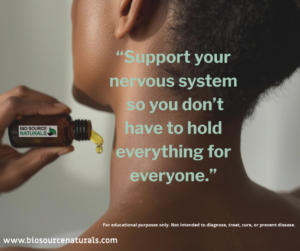 This article explores emotional over-responsibility as a learned nervous system pattern in which individuals feel compelled to manage the emotions and stability of others, often at the expense of their own well-being. Rooted in early or high-stress environments, this pattern can lead to chronic vigilance, fatigue, and blurred boundaries in relationships and work dynamics. By understanding how the body associates safety with regulating others, readers can begin to shift out of automatic over-functioning and into healthier self-regulation. The article highlights supportive approaches such as somatic awareness, EFT tapping, and aromatherapy to help restore balance, reinforce boundaries, and promote a more grounded and autonomous nervous system state.
Emotional over-responsibility is a common nervous system pattern in which individuals feel responsible for managing the emotions, reactions, or stability of others. This response often develops in high-stress or unpredictable environments and can continue into adulthood, especially in relationships and work dynamics.
The Pattern Many Women Don’t Realize They’re Living
There is a role many women step into so early in life that they don’t recognize it as a role.
The one who keeps the peace.
The one who absorbs tension.
The one who stabilizes everyone else.
You may be highly capable, emotionally aware, and strong, but underneath that strength, your body may be carrying a constant, quiet bracing.
You don’t fully relax until everyone else is okay.
You anticipate reactions.
You adjust your tone.
You smooth over conflict.
And when it’s over, you feel drained.
This isn’t a personality flaw.
It’s a nervous system pattern rooted in emotional over-responsibility.
The Nervous System Wiring Behind Over-Responsibility
Human beings are wired for co-regulation, meaning our nervous systems respond to and influence each other. This pattern of emotional over-responsibility often develops gradually and becomes automatic over time. This is supported by ongoing nervous system regulation research.
Healthy co-regulation is reciprocal.
But when you grow up or work in environments where someone else is:
- reactive
- emotionally immature
- volatile
- or in authority
your nervous system learns something very specific:
“If I stabilize them, we are safe.”
That belief becomes embodied.
Your body begins to:
- scan tone of voice
- monitor facial expressions
- brace before conversations
- anticipate emotional needs
Over time, this pattern becomes automatic.
You are not choosing it consciously.
Your body learned it.
Why It Can Feel Like an “Energy Drain”
Many people describe this pattern using spiritual language:
- “I feel drained around them.”
- “I feel hooked.”
- “It’s like an energetic cord.”
Those descriptions make sense because your nervous system is in a constant state of micro-adjustment.
You are processing:
- tone
- pacing
- emotional shifts
- reactions
This continuous monitoring requires energy.
When the interaction ends, your system drops into fatigue because it has been in a subtle stress response the entire time.
That is why you can leave a conversation and feel:
- exhausted
- foggy
- emotionally heavy
Your body has been working.
This experience is commonly associated with emotional over-responsibility, where the nervous system remains in a subtle state of vigilance.
Signs You Are Carrying Emotional Over-Responsibility
You may recognize yourself in these:
- You feel responsible for keeping the peace
- You replay conversations afterward
- You adjust yourself to prevent reactions
- You feel tension in your chest or stomach before interactions
- You feel drained after certain people
- You struggle to relax if someone close to you is upset
This is not weakness.
It is conditioning.
The Cost of Staying in This Pattern
Over time, chronic emotional over-responsibility can contribute to:
- nervous system dysregulation
- chronic muscle tension
- fatigue
- anxiety or irritability
- difficulty relaxing
- inflammation and stress-related symptoms
Even more importantly, it can lead to self-abandonment.
You begin prioritizing other people’s emotional states over your own needs and truth.
Why “Cord Cutting” Alone Often Doesn’t Resolve It
Many people turn to cord-cutting rituals or energetic practices.
These can be meaningful and supportive.
However, if the nervous system still believes:
“I am responsible for their stability,”
the attachment will often reform.
Because the root is not only energetic — it is regulatory.
Your body must learn that it is safe to exist without managing someone else’s emotions.
That is what creates lasting change.
Releasing Over-Responsibility: A Nervous System Approach
The goal is not to force detachment.
The goal is to rewire safety in your own body.
1. Support Vagus Nerve Regulation
Gentle practices that signal safety to your nervous system:
- slow breathing with longer exhales
- humming or soft vocal tones
- walking outside at a relaxed pace
- gentle rocking or swaying
- splashing cool water on the face
These help shift your body out of bracing and into regulation.
2. Use EFT Tapping for Emotional Patterns
EFT (Emotional Freedom Technique) can help release beliefs such as:
- “I am responsible for their emotions.”
- “If I don’t manage this, something bad will happen.”
- “It’s unsafe to let them be upset.”
Tapping while noticing your body sensations helps disconnect obligation from safety.
- before challenging interactions
- after interactions to release tension
- during breathwork or EFT
Let scent become a cue for your body:
“I am safe in my own system.”
3. Aromatherapy for Grounding and Emotional Boundaries
Scent communicates directly with the limbic system — the emotional center of the brain — making aromatherapy a supportive tool for reinforcing nervous system awareness and internal stability.
Supportive oils traditionally used in these practices include:
BioSource Naturals blends such as Focus Essential Oil Blend, Grounding Essential Oil Blend, Energize Me! Essential Oil Blend, Stress Relief Body-Mind Lotion, Calming Essential Oil Blend, and Serenity Essential Oil Blend are often incorporated into routines designed to support clarity, balance, and a more steady internal state.
You can apply oils:
- before challenging interactions
- after interactions to release tension
- during breathwork or EFT
Let scent become a cue for your body:
“I am safe in my own system.”
4. Reduce Emotional Over-Engagement
This may include:
- shortening conversations
- delaying responses
- not processing emotions that are not yours
- creating more physical or emotional space
Sometimes this looks like stronger boundaries.
Sometimes it includes periods of no contact to allow the nervous system to reset.
Distance is not punishment.
It is protection.
What Healthy Emotional Regulation Feels Like
In healthier relationships:
- emotional labor is shared
- you do not feel responsible for others’ reactions
- your body does not brace before contact
- you can express yourself honestly
- you leave interactions feeling neutral or supported
Your nervous system is not in constant management mode.
The Shift Back to Yourself
When you step out of the emotional regulator role:
- your body softens
- your energy returns
- your mind becomes clearer
- your creativity opens
- your relationships become more honest
You are no longer carrying what was never yours to hold.
A Gentle Reminder
You are not here to be someone else’s emotional infrastructure.
You are allowed to:
- regulate your own nervous system
- honor your body’s signals
- create space from draining dynamics
- choose relationships that feel safe and reciprocal
Releasing emotional over-responsibility is not selfish.
It is nervous system healing.
And from that place, your presence becomes stronger, clearer, and more authentic, not because you are carrying others, but because you are finally grounded in yourself.
Continue Exploring Emotional Healing: This article is part of our comprehensive guide, Emotional Healing With Essential Oils: A Complete Guide to Nervous System Regulation, Emotional Release and Growth. Explore aromatherapy, EFT tapping, emotional processing, healthy boundaries, nervous system support and practical pathways toward healing and personal growth.
Common Questions About Emotional Over-Responsibility
Q: What is emotional over-responsibility?
A. Emotional over-responsibility is a nervous system pattern where a person feels responsible for managing or stabilizing the emotions of others, often at the expense of their own well-being.
Q: Why do I feel responsible for other people’s emotions?
A.This pattern often develops in environments where emotional stability was unpredictable, leading the nervous system to associate safety with managing others’ reactions.
Q: Can this pattern be changed?
A. Many people work to shift emotional over-responsibility through practices that support nervous system regulation, awareness, and boundary development over time.
Q: Can aromatherapy support emotional balance?
A. Some individuals use aromatherapy as part of routines that support calm awareness, grounding, and emotional clarity.
Supportive Aromatherapy Blends for Daily Balance
For those looking to incorporate aromatherapy into daily routines, blends focused on clarity, grounding, and emotional balance may be used alongside breathwork, EFT, or mindfulness practices.
You may wish to explore:
- Focus Essential Oil Blend
- Grounding Essential Oil Blend
- Energize Me! Essential Oil Blend
- Stress Relief Body-Mind Lotion
- Calming Essential Oil Blend
- Serenity Essential Oil Blend
- Protection Essential Oil Blend
Explore More on Emotional Balance and Nervous System Support
You may also find these helpful:
-
- Aromatherapy and EFT Support Nervous System Regulation
- Building the Capacity for a Steady, Supportive Marriage or Partnership
- When Calm Is Mistaken for Chemistry A Nervous System Perspective on Workplace Enmeshment
- Why Some “Love” Is Actually Survival & Real Love Emerges from a Regulated Nervous System
These statements have not been evaluated by the Food and Drug Administration. Aromatherapy products are not intended to diagnose, treat, cure, or prevent any disease.
About the Author

🔍 Click Image to Enlarge and Read