
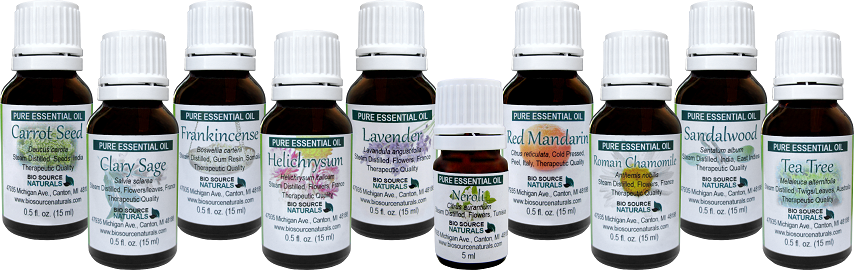
What Are Essential Oils? How Do They Work?
Natural Aromatic Compounds for Body, Mind & Spirit
Essential oils are an ancient wellness tool used in the practice of aromatherapy to support balance on physical, emotional, and spiritual levels. Though often referred to as “oils,” essential oils are not greasy or fatty like traditional vegetable oils.
🌿 What Are Essential Oils?
Essential oils are highly concentrated, volatile plant extracts obtained through steam or hydro distillation of botanicals such as flowers, leaves, bark, stems, roots, or seeds. They are often called the “soul” of the plant due to their therapeutic potency and vibrational purity.
Most essential oils are composed of terpenes and oxygenated derivatives, giving them their unique therapeutic benefits.
-
Cold-pressed oils from citrus peels (e.g., orange, lemon, grapefruit) are also considered essential oils.
-
These are not to be confused with carrier oils like jojoba, almond, or grapeseed, which are fatty oils used to dilute essential oils for safe topical use.
✨ Benefits May Include:
-
Calming or grounding effects
-
Uplifting and energizing properties
-
Refreshing or purifying actions
-
Emotional re-patterning
-
Support for spiritual and energetic alignment*
Essential Oil Uses in Everyday Life
Essential oils can be used in many ways to enhance your environment and wellness routine:
-
Diffused to freshen indoor air and lift your mood
-
Added to bath salts or sprays for relaxation or energy
-
Used as personal perfume or applied to pulse points
-
Incorporated into body products like massage oils or roll-ons
-
Used for emotional release via inhalation or EFT tapping rituals
They also support emotional healing by stimulating the limbic system—the brain’s center for memory and emotion.
📖 Check out our blog for essential oil perfume recipes and beauty DIYs.
🧠How Essential Oils Work: Science, Scent & Energetic Traditions
Essential oils contain measurable aromatic compounds that interact with our sense of smell. The olfactory system has close connections with brain networks involved in emotion and memory, helping explain why aromas can evoke memories, influence how we experience an environment, and become powerful sensory anchors during relaxation and intentional self-care.
Aromatherapy has also been incorporated into many holistic and complementary practices. Some practitioners combine essential oils with chakra or meridian traditions, Reiki, meditation, EFT tapping, color, sound, intention, and other energetic approaches.
These energetic concepts are different from the established chemistry and neuroscience of essential oils. Traditional and complementary systems may describe relationships among plants, emotions, meridians, chakras, vibration, or energetic balance, but these proposed subtle-energy mechanisms have not been established by conventional biomedical science.
At BioSource Naturals, we call our broader approach layered holistic self-care. Aromatherapy provides the foundation, while complementary mind-body and energetic practices can be added according to the interests and intentions of the individual.
Interested in the energetic side of aromatherapy? Read our guide to Essential Oil Frequencies: How Energetic Imprinting, Resonance & Frequency Charging Work.
⚠️ Essential Oil Safety Guidelines
BioSource Naturals offers pure, undiluted essential oils suitable for aromatherapy and therapeutic use. However, safety is critical due to their high potency:
✅ General Safety Tips
-
Do not ingest essential oils unless under the guidance of a trained professional.
-
Always dilute essential oils with a carrier oil before applying to the skin.
-
Patch test before full use. Place a small amount of diluted oil on the inner elbow and cover for 24 hours. Discontinue if irritation occurs.
-
Avoid contact with eyes. If oil gets into the eye, flush with clean water or cold milk and seek medical attention if irritation persists.
🚫 Avoid During Pregnancy:
Basil, Marjoram, Cedarwood, Myrrh, Clary Sage, Rose, Fennel, Rosemary, Jasmine, Lavender, Thyme
🚫 Avoid with Epilepsy:
Cajeput, Fennel, Camphor, Hyssop, Peppermint, Eucalyptus, Rosemary
🚫 Never Apply Undiluted to Skin:
Camphor (brown, yellow, unrectified), Cassia, Cinnamon bark, Wintergreen
🛁 Use Caution in Baths:
Use no more than 2 drops of oils like Black Pepper, Juniper, Camphor (rectified), Peppermint, Citronella, Clove, Spearmint, Eucalyptus, Thyme, Ginger
-
If allergic to certain foods, avoid oils derived from those foods.
-
Use a variety of essential oils and take breaks to prevent sensitization.
-
Example: Use one blend for 4 days, then rotate or pause for at least 4 days.
-
🌍 Our Commitment to Quality
All BioSource Naturals essential oils are:
-
Therapeutic quality and suitable for aromatherapy
-
Sourced from clean, organic, or sustainable regions around the world
-
Never wildcrafted from endangered environments
-
Carefully tested and packaged for purity and potency
📥 Explore Our Collection:
These statements have not been evaluated by the FDA. These products are not intended to diagnose, treat, cure, or prevent any disease.